Part 5
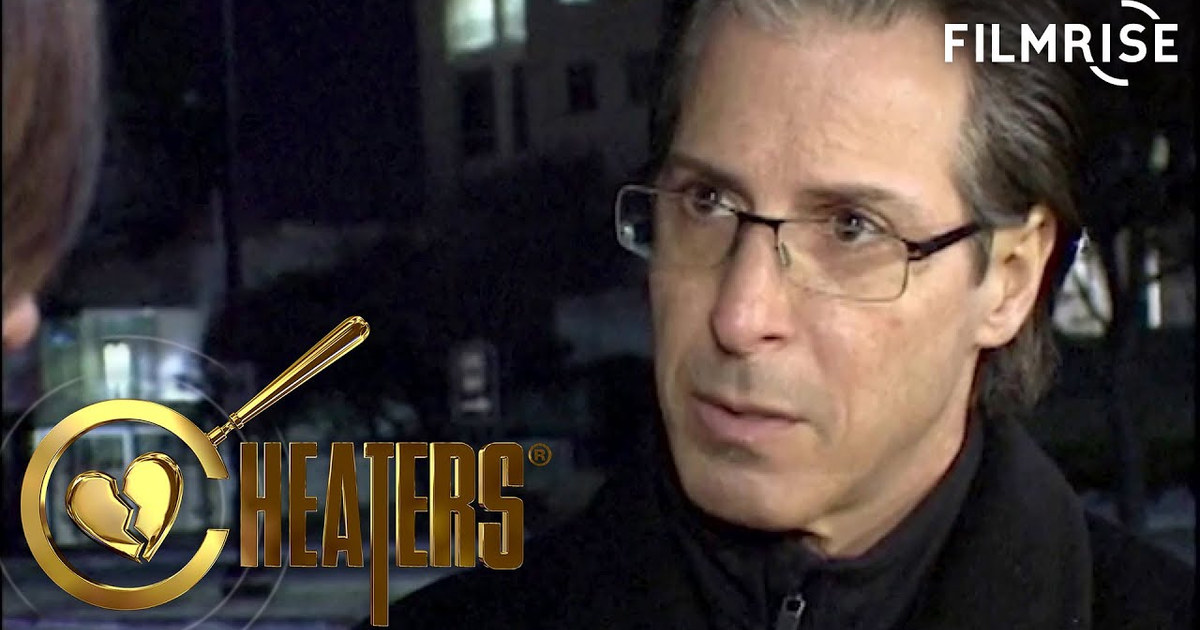
That’s the core product: the switch from long lens to wide. The stakeout camera is patient, telephoto, available-light. The confrontation camera is handheld, wide, on-board mic, pushed by a bounced on-camera key and a hard shadow that the stakeout footage never had. The moment Joey Greco steps in, the camera stops being a witness and becomes a character. That collapse of one grammar into the other is the emotional engine of the entire format.
This is why the show’s confrontation footage always looks like it was shot by a different crew on a different night. Because it was — different camera, different lens, different lighting philosophy, different operating style. The stakeout crew is shooting a documentary. The confrontation crew is shooting a reality show. And the cut between them is where the show’s ethics live and die.
The format’s afterlife is everywhere. HBO’s The Jinx (2015, directed by Andrew Jarecki) took the same core claim — we have the footage — and built a six-part series around a bathroom confession that became the most replayed clip in true crime history. Netflix’s Wild Wild Country (2018, directed by Maclain and Chapman Way) applied the same surveillance grammar to a Oregon commune, using archival footage as evidence. Netflix’s Tiger King (2020, directed by Eric Goode and Rebecca Chaiklin) turned a zoo feud into a lockdown phenomenon by cutting between interview footage and surveillance-style observation. All of them inherit Cheaters’ core claim — we have the footage — and its core promise that the truth is on tape, waiting to be cut together.
But Cheaters did it first, and it did it cheap. The show’s budget was a fraction of what HBO spent on The Jinx, but the visual grammar is the same: long-lens observation, handheld confrontation, reaction-shot emotion. The difference is that Cheaters never pretended to be journalism. It was a syndicated entertainment product, and its ethics were built into its disclaimers, not its production.
The ethics are the part nobody wants to talk about. Participants are non-actors. Releases and likeness waivers do the legal work. The recurring phrase about investigative charges applying functions as a disclaimer shield rather than a moral one. The show’s on-air dedication to the faithful and presentation to the false-hearted frames humiliation as moral instruction. That’s not a bug. That’s the business model. The show isn’t investigating infidelity. It’s producing a confrontation, and the confrontation is the product.
The cultural afterlife is even stranger. Cheaters was a syndication workhorse that became a YouTube and clip-culture fixture, parodied and meme-ified long after its broadcast window. That’s exactly how a visual grammar outlives the show that used it first. The long lens, the handheld confrontation, the reaction shot — they’re all over TikTok and YouTube true crime now, and most of the people using them have never seen a full episode of Cheaters. They’ve just absorbed the grammar.
So here’s what to watch for on your next rewatch. First, watch the white balance. Every location has a different, unmanaged color temperature. The parking lot is green. The apartment hallway is orange. The confrontation is blue. Nobody matched them. That’s not a mistake. That’s the show’s visual signature, and it’s why the footage feels real.
Second, watch where the camera is when the partner turns around. The long lens always gives ground before the confrontation does. The stakeout camera backs off, re-frames, loses the subject. The confrontation camera pushes in. That push is the moment the show stops being a documentary and becomes a confrontation. It’s also the moment the subject stops being a person and becomes a character.
Third, watch the cutaway faces of the investigators. The show’s emotions are delivered by reaction shots, not by evidence. Joey Greco’s face, the crew’s faces, the betrayed partner’s face — those are the emotional beats. The evidence is just the setup. The reaction is the payoff. That’s the grammar of surveillance television, and once you see it, you can’t unsee it.
That’s the takeaway. Cheaters wasn’t a reality show. It was surveillance noir, and it invented how true crime looks. The long lens, the handheld confrontation, the reaction shot — they’re all still with us. The next time you watch a true crime documentary, watch the white balance. Watch where the camera is when the subject turns around. Watch the cutaway faces. You’ll see Cheaters everywhere.
Next episode, we’re looking at a different era of the same format — and what its specific stakeout geometry reveals about how surveillance television changed when the cameras got smaller and the ethics got murkier. You won’t want to miss it.


