Part 4
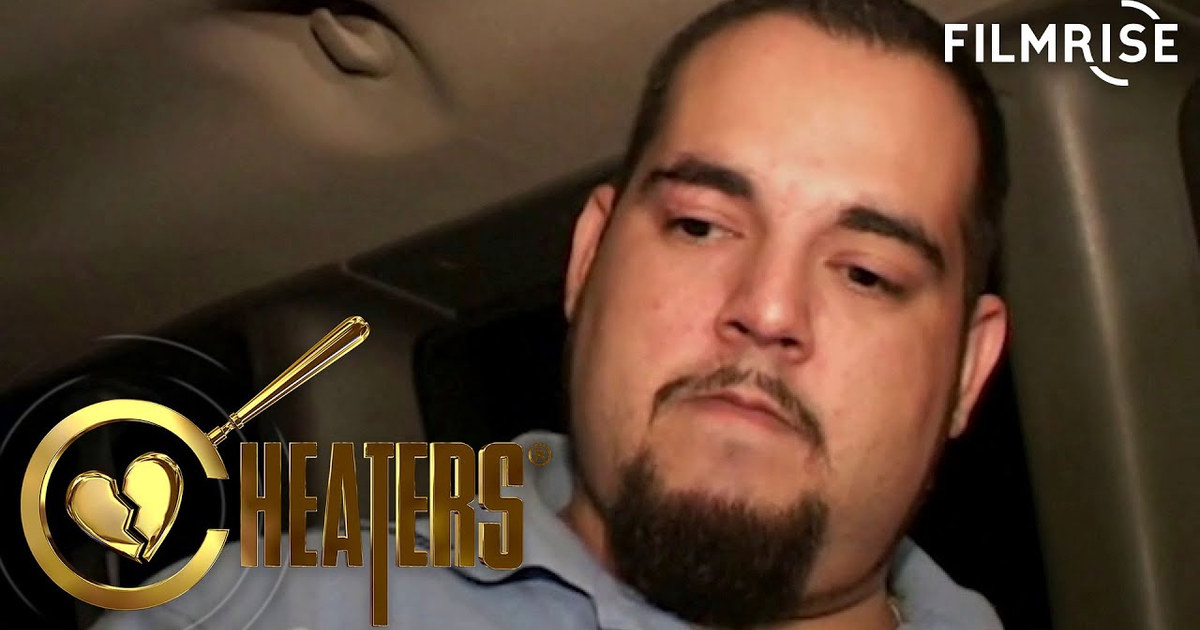
Brad's statement is shorter. He claims he never knew Pete was in the picture, and he has since cut all ties with the suspect. The episode does not adjudicate it. It gives him four seconds and moves on, which for this show counts as generous.
[[AD]]
So nobody wins. Pete loses the person he built his days around. Nicole loses a relationship she admits was good. Brad exits the frame entirely. The only participant that comes out of this clean is the camera — the one witness that was honest the entire time, and never once looked away.
[[VIDEO]]
The Paul Coda
Then the episode does something unusual. It hands its final minutes to a suspect from a previous case. Paul, age 52, from the Michelle Drew case, comes back to set the record straight — not a victim this time, but a cheater who wants his own footage corrected.
His explanation is unglamorous and specific. Some of the guys who worked for him talked about how they got around. He felt a little envious and wanted to see what it was like. That is the whole motivation. No grand passion, no tragic flaw. Just a 52-year-old man overhearing locker-room talk and wondering what he was missing.
The detail that sticks is a domestic one. He is on camera and somebody asks what he is doing there. I was just going to get her some spaghetti. That is either the best alibi in the history of the format or the saddest sentence ever spoken into a boom mic. The show plays it straight, which is the correct call.
Paul says he felt ashamed and shocked. He told Michelle it was a fling that did not mean anything, that he really does love her, that his hands are tied, that he has felt depressed a lot lately, and that what keeps him going is hope that they can work things out. It is not a confession that earns forgiveness. It is a man describing the exact size of what he threw away, in his own words, with no music under it.
[[AD]]
What to Watch For
So here is what to watch for when you go back to it. Not the fight. The forty minutes before the fight. Not the shouting. The patience.
Count how long the waiting shots hold before anything happens. Watch the day-twelve stairwell and notice that the brightest thing in the frame is a burning cigar. Watch the cantina and clock how little the camera moves while a mariachi band plays. Watch the phone call sequence and pay attention to which side of that edit you instinctively believe.
And watch the reaction coverage at the evidence table. That is the shot that separates this show from everything else in its genre. Reality television is usually built on people talking. This is built on people finding out.
The larger argument stands. Whatever you think of Cheaters as ethics, it is a masterclass in getting a story with one camera, no permits, no lighting package, and no second chances. The Pete Casanova episode is the cleanest example on the reel. Long lens, hard light, real time, real people, one take.
Next time, we go back into the Greco era proper — the cases that hardened this format's rules, and the confrontation that showed exactly how much a single camera can survive. Bring a tripod. You are going to need it.


