Part 1
The Two Audiences: Genre Fans and Craft Nerds Unite
There are two kinds of people who watch *Cheaters*. The first is here for the drama: the screaming matches, the sloppy reveals, the raw, unfiltered schadenfreude of watching a relationship implode on camera. The second is here for the craft: the surveillance setups, the editing rhythms, the narrative architecture that turns a private investigator's raw footage into a story with a beginning, middle, and a very public end. If you're in the first camp, you're probably already grinning. If you're in the second, you're probably taking notes. This article is for both of you. Because *Cheaters* — the syndicated reality show that's been running since 1999 — is a masterclass in low-budget engineering and high-voltage storytelling. And the episode featuring Pamela Foley and Joe Thompson is a perfect case study.
Let's set the scene. *Cheaters* is a syndicated reality show that premiered in 1999 and is still going. It's produced by Cheaters Detective Agency, a real private investigation firm, and hosted by Clark Gable — no, not the *Gone with the Wind* actor, but the show's long-time host, a man with a voice like a late-night radio DJ and a knack for delivering lines like "from cheater's surveillance cameras, you are about to view actual true stories" with the gravity of a Shakespearean soliloquy. The premise is simple: a client suspects their partner of infidelity. They hire the Cheaters Detective Agency. Private investigators tail the suspect, plant hidden cameras, and gather evidence. Then the host narrates the footage, and the whole thing builds to a confrontation. It's a staple of late-night TV, a meme factory, and a fascinating artifact of early-2000s reality television.
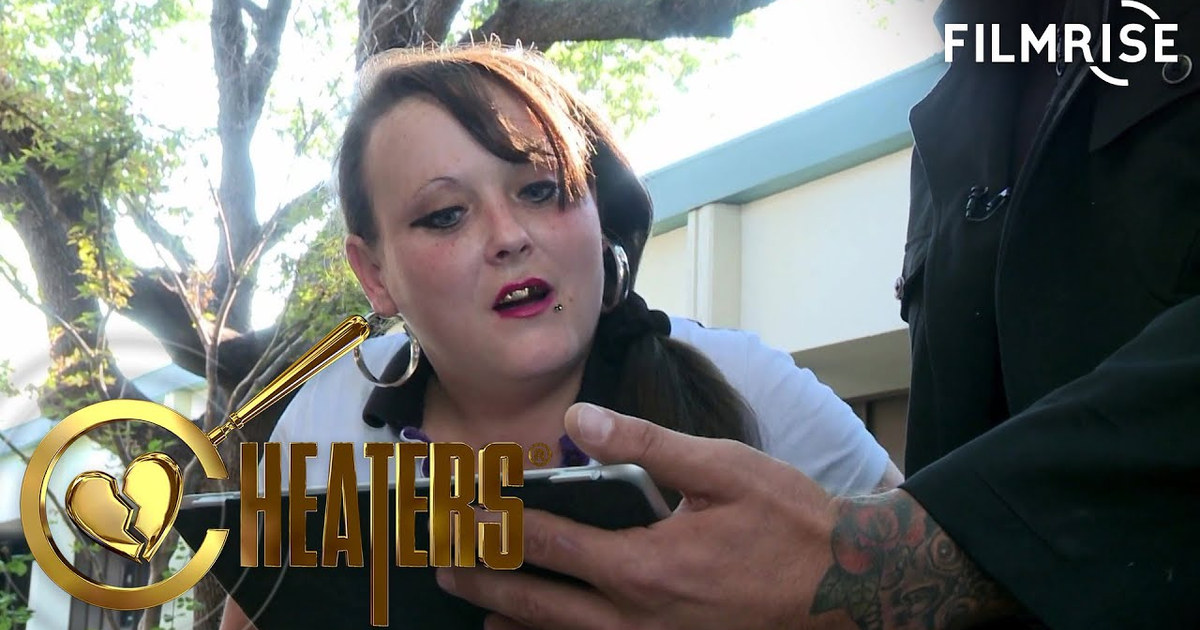
In this episode, the client is Pamela Foley. She's suspicious of her boyfriend, Joe Thompson, a 31-year-old day laborer. Pamela's complaints are specific: Joe's been acting different, showering as she walks in the door, rolling away when she tries to be intimate, not contributing financially while she works, cooks, and cleans. "I'm fed up with the lies," she says. "I'm fed up with the way he treats me." The Cheaters Detective Agency takes the case. The investigation begins on day three, with agents forming a perimeter around the home. The suspect exits, strides down the driveway, and gets into an unknown vehicle. The surveillance is on.
Now, if you're a genre fan, you're already hooked. This is the good stuff: the betrayal, the setup, the promise of a confrontation. But if you're a craft nerd, you're looking at something else entirely. You're looking at a distributed system. The cameras are sensors. The private investigators are actors in the field, executing a scripted reality. The host is the central narrator, the API that ties the data streams together into a coherent output. The editing is the compiler, turning raw footage into a story that runs at a precise emotional tempo. It's filmmaking as engineering with a soul — and it's gloriously, unapologetically low-fi.
So here's how this deep dive works. We're going to alternate between the two audiences. Some sections will lean into the genre thrills — the reveals, the confrontations, the moments that make you gasp and text your friends. Other sections will lean into pure craft — the editing choices, the narrative construction, the surveillance tech, the way the show builds tension with nothing but a handheld camera and a well-timed cut. By the end, you'll see how *Cheaters* satisfies both the popcorn crowd and the film-school crowd at the same time. Because the best genre entertainment is always built on solid craft. And the best craft is always in service of a story that makes you feel something — even if that something is a mix of horror, pity, and guilty delight.
Before we go further, a spoiler warning: we're going to discuss specific details from the Pamela Foley and Joe Thompson episode, including the outcome of the investigation. If you want to experience the reveal unspoiled, go watch the episode first. It's available on the *Cheaters* YouTube channel and various streaming platforms. Trust me, it's worth it. The confrontation alone is a masterclass in chaotic live television.
Now, let's talk about the show's format, because it's deceptively simple. Each episode follows a strict structure: introduction of the client and their suspicions, the investigation by the private eyes, the surveillance footage, and the confrontation. The host, Clark Gable, provides narration that alternates between deadpan exposition and melodramatic commentary. The footage is presented with dramatic music, quick cuts, and occasional slow-motion. It's a formula, but it's a formula that works. And it's been refined over more than two decades. The show has spawned countless memes, parody accounts, and even academic analysis. It's a cultural touchstone, whether you love it or hate it.
From a genre perspective, the appeal is obvious. Infidelity is a universal fear and a universal fascination. Watching someone get caught is cathartic. Watching someone confront their partner is thrilling. The show delivers these moments with the efficiency of a well-oiled machine. But from a craft perspective, the appeal is more subtle. The show is a case study in how to tell a story with limited resources. The cameras are often hidden, the audio is sometimes rough, the lighting is whatever's available. Yet the editing and narration turn this raw material into something that feels polished and purposeful. It's a reminder that you don't need a Hollywood budget to tell a compelling story. You need a clear structure, a strong point of view, and a willingness to let the drama unfold.


