Part 3
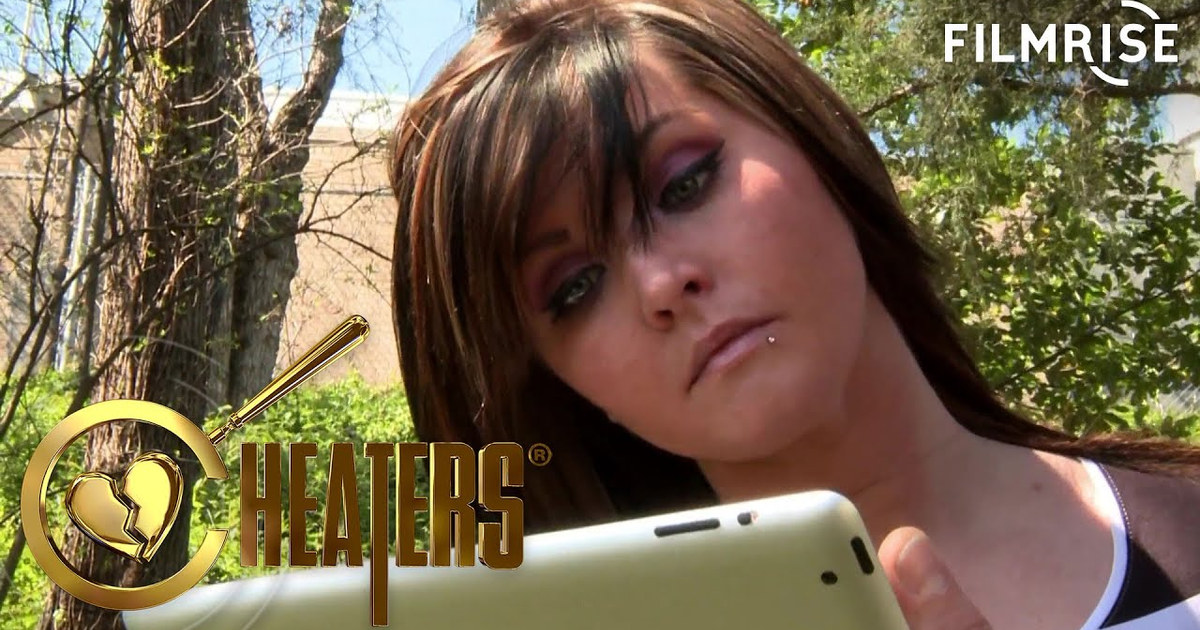
Nicole tells us she “deserves respect.” She says Jeremy “switches the script” on her. She’s right. But the show hands her a script too—one where she’s the wronged party and the cameras prove it. The cameras, though, only prove what they’re pointed at. They don’t show the two years of small betrayals, the conversations that never happened, the moments when she might have looked away. They show a door, a bed, a betrayal. That’s not the whole story. It’s a story. And it’s one we’ve agreed to watch.
Think about other reality shows that mine relationships. The Bachelor (2002–) puts a dozen people in a mansion and films the fallout. 90 Day Fiancé (2014–) drops couples into visa deadlines and watches them crack. Both create conditions for drama, then film what happens. Cheaters adds a detective agency, but the emotional mechanics are identical. The cameras don’t discover the truth; they manufacture the moment. The difference is that Cheaters pretends it’s journalism. It’s not. It’s theater with a private investigator’s license.
Like David Fincher’s Gone Girl (2014), Cheaters understands that infidelity is a story we tell about ourselves. Gone Girl is fiction that questions the narrative—it shows how easily we’re fooled, how eagerly we blame the wrong person. Cheaters is nonfiction that sells the narrative. It doesn’t ask you to question the story. It asks you to enjoy it. And we do. We watch because we want to feel superior, warned, something. The show’s real subject isn’t cheating. It’s the performance of innocence and guilt. And that’s the uncomfortable truth the cameras never catch.
So what are we really watching? We’re watching ourselves. We’re watching the moment we get to say, “I would never.” We’re watching the relief that it’s not us. Cheaters doesn’t expose Jeremy. It exposes our appetite for the fall. That’s the uncomfortable truth. And it’s the one the cameras never catch.
Next time, we’ll look at what happens after the confrontation—the legal fallout, the viral clips, and the people who say they were set up. Because the story doesn’t end when the cameras stop rolling. It just gets messier.


