Part 1
The Consensus: Cheaters Is Exploitative Trash — and It's Wrong
Since its debut in 2000, Cheaters has been dismissed as exploitative trash TV — a cheap voyeurism machine built on humiliation. The critics aren't wrong about the surface. The show's creator and host, Bobby Goldstein, licensed the format to VH1, and the production ambushes people with cameras. The 'Cheaters Detective Agency' framing is pure theater, complete with a host who introduces himself as if he's in a noir film. It's easy to write off. But easy isn't the same as correct.
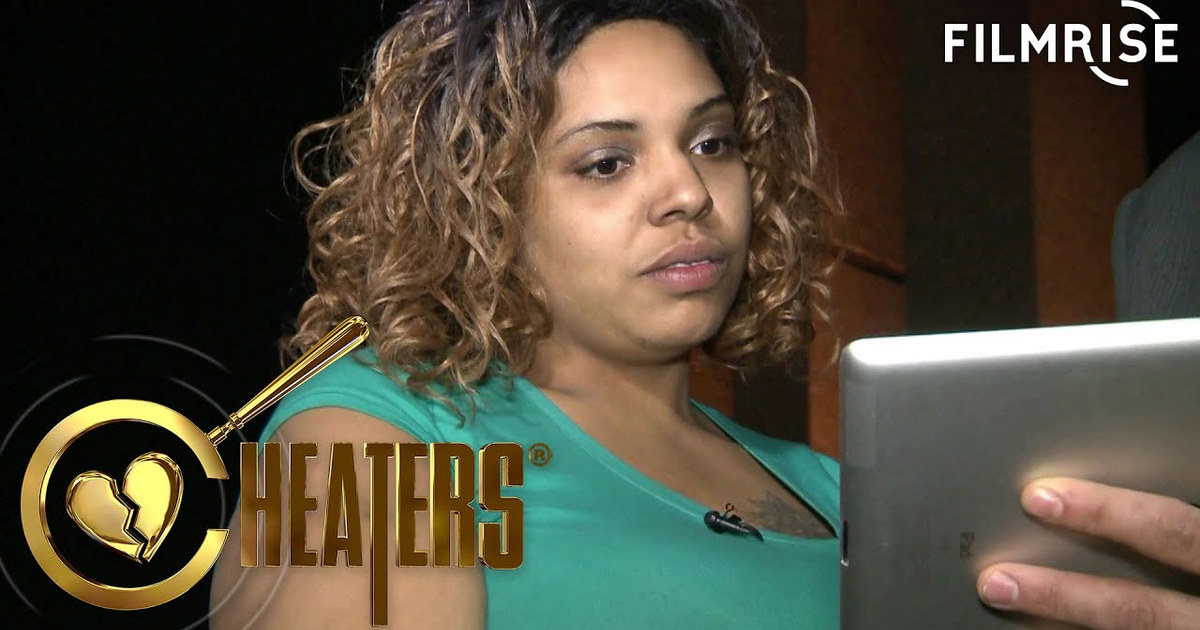
The Maurice and Lindsay episode is the case study that dismantles the consensus. Maurice is 31, a barber. Lindsay is his longtime girlfriend. The episode's structure is simple: Lindsay sits down and confesses, tearfully, that Maurice has changed. He used to be sweet, a gentleman. Now they argue constantly. He says he's at work, but when she calls the barbershop, he's not there. He doesn't answer his phone during the week. On weekends, she goes over at nine, but lately it's one or two in the morning. The house smells like different perfume. Things are moved. She knows something is wrong. The show then surveils Maurice, captures him with another woman, and stages the reveal. On paper, it's the same ambush formula that's been criticized for two decades.
But here's the contrarian thesis: this episode isn't exploitation. It's one of the most honest documents of what infidelity actually feels like from the inside. The show's 'tawdry' format — the surveillance, the confrontation, the raw emotion — is precisely what makes that honesty possible. The critics see a circus. I see a confession booth with a camera.
Over the next three sections, I'll dismantle the consensus piece by piece. First, the format isn't the flaw; it's the point. Second, the surveillance footage is the most truthful part of the episode. Third, the 'trashy' participants are the most relatable people on television. By the end, you might not love Cheaters, but you'll never dismiss it as simple trash again.
Dismantling the Consensus, Part 1: The 'Exploitative' Format Is Actually a Confession Booth
The consensus says Cheaters is exploitative trash. The detective agency framing, the ominous voiceover, the 'investigation day two' title cards — critics call it a cheap theatrical trick that turns real pain into a circus. I think that read misses the point entirely. That format isn't a flaw. It's a ritual. And rituals give ordinary people permission to say what they actually feel.
Take Lindsay. In the transcript from the episode, she doesn't stumble into her confession. She delivers it. 'The reason I fell in love with Maurice is because when we first got together he was real sweet, nice, he was a gentleman... he never was disrespectful.' Then the turn: 'Now when I go see Maurice we're always arguing... it's really never peaceful between us.' That's not a random rant. That's a structured testimony. The show's theatrical scaffolding — the 'Cheaters Detective Agency,' the tagline 'exercise your right to be informed' — reframes jealousy and suspicion as legitimate investigation. It says: your paranoia isn't shameful. It's evidence. And that reframing is exactly what lets Lindsay speak.
Compare that to MTV's Catfish (2012–), which uses a similar ritualized format. Hosts Nev Schulman and Max Joseph don't just expose online liars; they give the deceived a stage to articulate their hurt. The show's structure — the investigation, the confrontation, the aftermath — turns messy emotion into a narrative. Jerry Springer did the same in the '90s, though with more chair-throwing. The format isn't the problem. It's the container that makes the confession possible. Without it, Lindsay might never say a word to Maurice's face. With it, she gets a script, a camera crew, and a reason to speak.
Yes, the counterargument is real: the show profits from pain, and participants don't always know how they'll be edited. That's a fair hit. But the consensus that the format 'exploits' misses that the format also protects. It gives Lindsay a role — the wronged girlfriend — and that role comes with permission. She's not just a woman scorned; she's a client. She's not just suspicious; she's investigating. The show turns her private agony into public evidence, and in doing so, it lets her say things she couldn't say to Maurice's face. That's not exploitation. That's a confession booth with a camera.
Dismantling the Consensus, Part 2: The Surveillance Footage Is the Most Truthful Thing on TV
Forget the confessionals. Forget the dramatic music and the host's gravelly voiceover. The real truth on *Cheaters* lives in the grainy, silent, unedited surveillance footage — and that's exactly why it's more honest than any scripted reality show or prestige true-crime documentary. The consensus says *Cheaters* is trash because it relies on ambush and exploitation. But if you actually watch the surveillance sequences, you'll see something else: raw, unperformed human behavior that no actor could fake and no director could script.
Take the Maurice episode. Lindsay suspects her boyfriend is cheating. She hires the Cheaters detective agency. And then we get the footage: Maurice leaving his home, driving to a Taco Stand, then pulling into an unknown apartment complex. A woman approaches his black sedan. They hug. He spanks her. He places a gold chain around her neck. They kiss. No dialogue. No narration. Just a camera capturing private moments that were never meant for public consumption.


