Part 3
This is where *Cheaters* diverges from other reality shows like *Cops* or *Judge Judy*. *Cops* (1989–2020, Fox/Paramount Network) is about law enforcement, but it follows a similar surveillance aesthetic—handheld cameras, real-time action, and a focus on the moment of apprehension. *Judge Judy* (1996–2021, syndicated) is about arbitration, but it’s also theater: real people, real disputes, and a no-nonsense judge who cuts through the noise. *Cheaters* combines both: the surveillance of *Cops* with the confrontational theater of *Judge Judy*. The difference is that *Cheaters* is explicitly about infidelity, and it’s unapologetically sensational. It’s not trying to be journalism; it’s trying to be a spectacle. And that’s its genre appeal.
The editing is where the craft shines. The show cuts between surveillance angles like a state machine transitioning on events. You have the long shot from the car, the medium shot from the restaurant, the close-up of the kiss, the interior camera of J.R. removing photos, and then the confrontation footage. Each cut is triggered by a narrative event: the meeting, the kiss, the cover-up, the confrontation. It’s structured, almost algorithmic. And that’s what makes it so effective. You’re not just watching random footage; you’re watching a story unfold with clear cause and effect.
The dramatic voiceover is another genre element. It’s delivered in a serious, almost mournful tone, as if we’re watching a tragedy. But the content is pure tabloid. That contrast is part of the fun. The “coming up” teaser at the beginning is a classic hook: “I can’t watch this… I know exactly where they are… they’re right over there at Lakewood Theater.” It promises drama, and the show delivers. This is genre craft at its finest: set expectations, build suspense, and then pay off with a confrontation that’s equal parts cringe and catharsis.
For the craft enthusiast, the show’s use of surveillance footage is a lesson in narrative economy. Every shot serves a purpose. The restaurant scene establishes the affair. The kiss confirms it. The interior camera shows the cover-up. The confrontation provides the climax. There’s no fat. It’s lean, mean, and edited for maximum impact. And the *Rocky Horror* connection? That’s a masterstroke. It adds a layer of meta-textual commentary. Here’s a movie about sexual liberation and outsider culture, and it’s being used as the backdrop for a cheating scandal. The irony is thick, and the show knows it. It’s not just a location; it’s a statement.
So whether you’re here for the genre or the craft, this episode delivers. The genre fan gets the tail, the kiss, the confrontation, and the theatrical voiceover. The craft enthusiast gets the state-machine editing, the narrative economy, and the clever pop culture reference. It’s a balancing act, and *Cheaters* pulls it off. It’s not high art, but it’s not trying to be. It’s genre craft, executed with precision. And that’s something to appreciate, even if you’re just here for the drama.
[[AD]]
Pure Craft: Production, Ethics, and Engineering with a Soul
If you're the kind of viewer who watches *Cheaters* for the drama, you've already gotten your money's worth. But if you're like me—a hobbyist programmer who treats every piece of media as a system to be reverse-engineered—there's a whole other layer to appreciate. The show is a masterclass in low-budget production, narrative engineering, and ethical gray areas. Let's dig into the machinery.
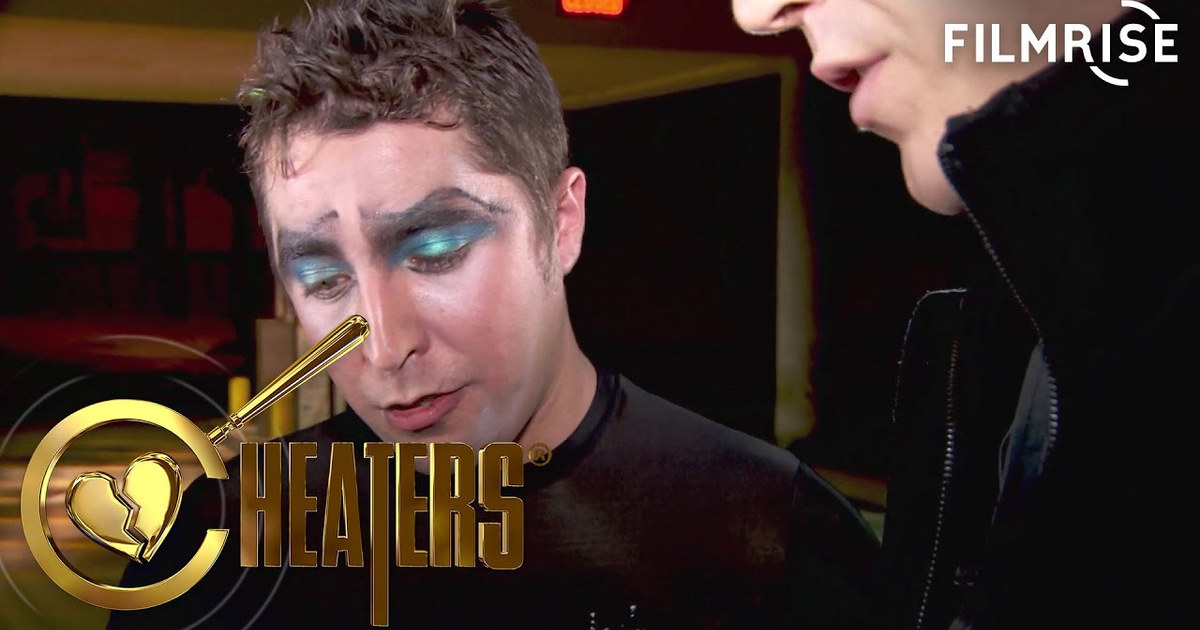
First, the production quality. *Cheaters* makes no apologies for its aesthetic. It's shot on what looks like early-2000s digital video, with harsh lighting, shaky handheld cameras, and audio that occasionally clips. The surveillance footage—often grainy and night-vision green—is presented as raw evidence. But here's the thing: this isn't a bug, it's a feature. The low-fi look reinforces the show's claim to authenticity. It says, "We're not polished because we're real." Compare that to a glossy true-crime documentary like *The Jinx* (2015, HBO, 6 episodes) or *Making a Murderer* (2015, Netflix, 10 episodes), which use cinematic techniques to heighten tension. *Cheaters* goes the opposite direction: it wants you to feel like you're watching a stakeout video, not a movie.
Then there are the repetitive disclaimers. Every episode opens with the same voiceover: "You are about to view actual true stories filmed live documenting the pain of a spouse or lover caused by infidelity." It's a ritual. The repetition isn't lazy—it's branding. It's the show's way of saying, "This is the real deal, folks." And the wink? The phrase "actual true stories" is almost redundant, which makes it suspicious. It's like a programmer writing `if (true == true)`—technically correct, but why? The show knows we know it's produced, but it doubles down anyway. That's a deliberate choice, and it works.
The framing device—the "Cheaters Detective Agency"—is another stroke of genius. It gives the show a fictional veneer that allows for plausible deniability. The detectives are characters, but they're also real private investigators. The agency is a brand within a brand. It's like how *The Blair Witch Project* (1999, dir. Daniel Myrick and Eduardo Sánchez, 81 min) used a fictional documentary crew to sell its horror. *Cheaters* does the same for infidelity. It's a narrative scaffold that makes the chaos feel structured.
Now, the ethics. This is where the craft gets thorny. The show claims to document "actual true stories," but consent is murky. The cheaters are filmed without their knowledge, and their confrontations are broadcast to millions. Is that journalism? Entertainment? Or something darker? The show's disclaimer says it's "dedicated to the faithful and presented to the false hearted to encourage their renewal of temperance and virtue." That's a moral mission statement, but it's also a cover. The real product is schadenfreude. And yet, the participants sign releases—or at least, they're supposed to. The line between documentary and exploitation is blurry. For a craft enthusiast, this is fascinating: it's a case study in how far you can push reality TV before it becomes something else entirely.


