Part 1
The Two Audiences: Genre Fans and Craft Enthusiasts
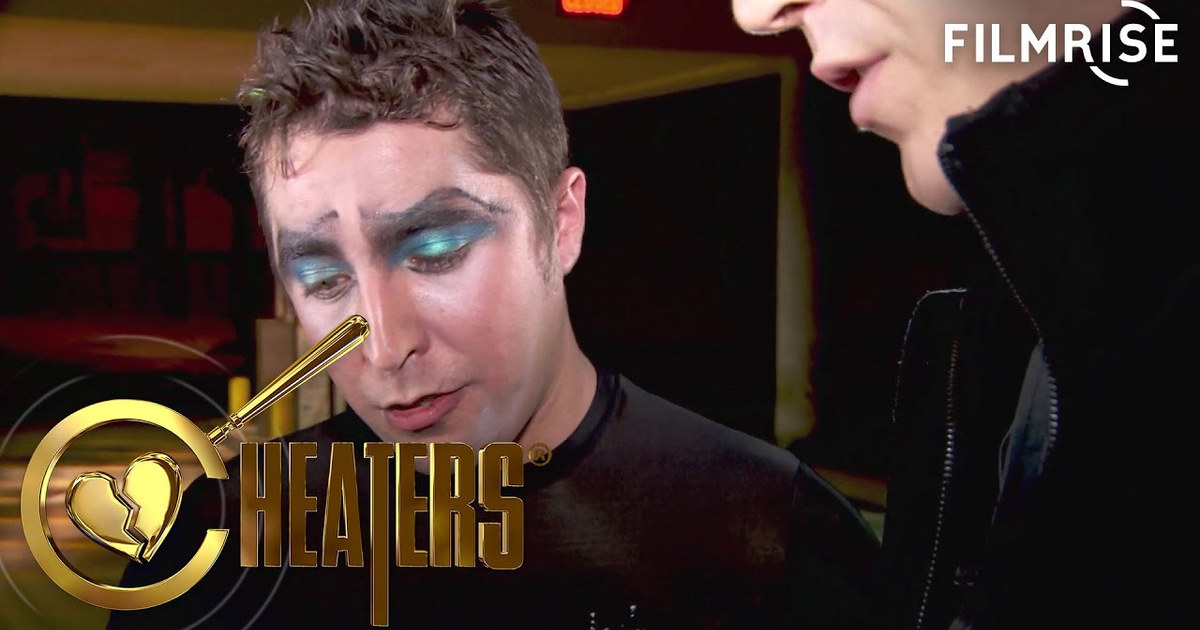
There are two kinds of people who watch *Cheaters*. The first came for the genre: the ambush, the shouting, the shaky-cam sprint across a parking lot. The second came for the craft: the edit points, the sound mix, the legal disclaimers, the way a reality show is engineered like a piece of software with a very specific input and a very specific output. If you're in the first camp, you already know the rush. If you're in the second, you've probably paused an episode to study the lower-third font. This article is for both of you. Because *Cheaters* — the long-running syndicated reality series hosted by Clark Gable (no, not that Clark Gable, the other one) — is a fascinating case study in how genre and craft are not enemies. They're a pipeline.
Let's define the show's algorithm first, because that's the hobbyist programmer in me talking. *Cheaters* has a clean function signature. Input: a suspicion of infidelity. Output: a confrontation, usually filmed at night, usually involving a vehicle. The host, Clark Gable, opens each episode with the tagline: "Exercise your right to be informed." That's not just a catchphrase. That's the product promise. The show is a service. You bring the suspicion; they bring the surveillance. And the show's opening disclaimer sets the tone: "From Cheaters' surveillance cameras, you are about to view actual true stories filmed live, documenting the pain of a spouse or lover caused by infidelity. This program is both dedicated to the faithful and presented to the false-hearted, to encourage their renewal of temperance and virtue." That's a lot of words to say "we're about to ruin someone's night," but it's also a mission statement. It frames the entire enterprise as moral instruction wrapped in tabloid spectacle.
For the genre fan, that disclaimer is just the drumroll. For the craft enthusiast, it's a masterclass in liability management. Notice the phrase "investigative charges may apply." That's not a throwaway line. That's a legal hedge, a preemptive strike against the kind of lawsuit that would make a lesser show disappear. It's the equivalent of a software license agreement that says "use at your own risk." The show knows exactly what it's doing. It's building a genre product on a foundation of disclaimers, and it's doing it with the precision of a well-documented API.
Take the episode featuring Chelsea Phillips. Chelsea suspects her high school sweetheart, J.R. Sales, of cheating. They've been together since they were fifteen. They bought a house together. She wants to marry him, have kids. But he's been distant. He wants to be a writer, but she hasn't seen him write anything in a year. He used to call and text constantly; now he's not home by eight or nine at night. And there was a woman in high school — a previous infidelity that Chelsea found out about. So she's back, asking the same question: is he cheating again? For the genre fan, this is the setup. The stakes are personal, the history is long, and the betrayal is already baked in. You know the confrontation is coming. You're just waiting for the location drop.
For the craft enthusiast, Chelsea's segment is a study in narrative economy. The show doesn't waste time. It establishes the relationship, the history, the suspicion, and the emotional cost in under two minutes. Then it cuts to the investigation. Days two and three. The surveillance footage. The private investigators from the Cheaters Detective Agency. The show is structured like a procedural: intake, investigation, confrontation, resolution. It's the same three-act structure you'd find in a *Law & Order* episode, but compressed into a half-hour block and stripped of any fictional pretense. The genre fan gets the drama. The craft enthusiast gets the architecture.
And that architecture is deliberate. The show doesn't just film a confrontation; it builds toward one. The editing, the music, the cutaways to the host — all of it is designed to maximize tension. Clark Gable's role is part narrator, part referee, part brand ambassador. He's the human interface for the algorithm. He introduces the case, he narrates the investigation, and he's there for the payoff. In the Chelsea Phillips episode, he's the one who says, "I'm Clark Gable, and this is *Cheaters*." That's not just a host introduction. That's a system boot sequence.
Now, if you're a genre fan, you might be thinking: who cares about the structure? I'm here for the moment when Chelsea spots J.R. at the Lakewood Theater and the shit hits the fan. And that moment is great. It's raw. It's real. It's the reason the show has been on the air for decades. But here's the thing: that moment only works because of the craft. The surveillance footage, the timing, the way the camera crew is positioned to capture the reaction — that's not accidental. That's engineering. The genre fan and the craft enthusiast are watching the same show, but they're seeing different layers. And the best part is, you can be both. You can cheer for the confrontation and appreciate the edit that made it land.
So let's talk about what each audience gets. The genre fan gets the catharsis. The craft enthusiast gets the mechanics. And *Cheaters* delivers both because it understands its own algorithm. It knows that suspicion is the input, confrontation is the output, and everything in between is a series of deliberate choices. The show's dedication to the faithful and the false-hearted isn't just a poetic flourish. It's a thesis statement. It's saying: we're not here to judge. We're here to document. And in doing so, we're going to give you a show that works on multiple levels.


