Part 2
Now cut to the parking lot. This is where Cheaters goes full Rear Window. Alfred Hitchcock's 1954 masterpiece, 112 minutes of pure voyeuristic tension, was shot almost entirely from a single apartment window using long lenses to isolate James Stewart's character from the world he's spying on. Cheaters does the same thing, but without the set design. The parking lot scenes are lit by available light—sodium vapor streetlamps, headlights, the occasional glow of a phone screen. The camera crew is often shooting from inside a vehicle, which means you get reflections on the windshield, dashboard glare, and that beautiful, ugly grain that comes from pushing a sensor to ISO 6400. It's not pretty. It's evidence.
[[AD]]
And then there's the kiss. You know the one. The moment when the cheating partner leans in and the camera catches it from 50 yards away, slightly out of focus, framed between two parked cars. That shot is pure Blow-Up. Michelangelo Antonioni's 1966 film, 111 minutes, is about a photographer who thinks he's captured a murder in a park—and the more he blows up the image, the less he understands. Cheaters operates on the same principle. The kiss is blurry. The audio is wind-scarred. But the emotional impact is undeniable. You're not watching a cinematic kiss. You're watching a surveillance capture. And that distinction is everything.
The night vision sequences are where the show's technical ambitions really show. During stakeouts that stretch past midnight, the crew switches to infrared. The image goes monochrome, the eyes of the subjects glow like animal eyes in a nature documentary. It's unsettling. It's also a direct descendant of the military-grade surveillance tech that became available to consumers in the early 2000s. The show doesn't hide the tech; it flaunts it. Every time the screen goes green and grainy, you're reminded that you're watching someone who doesn't know they're being watched. That's the ethical rub, and we'll get to it. But first, the editing.
The editing style on Cheaters is relentless. Rapid cuts, split screens, and instant replays of key moments. When the confrontation happens—say, at the train station farewell—the show will cut between the cheating partner's face, the betrayed partner's face, and the detective's reaction in a three-way split screen. It's the visual equivalent of a tabloid headline. And then they'll replay the moment. And replay it again. And again. Each replay is a little more zoomed in, a little more pixelated, until the image becomes abstract. That's not just drama; that's a technique borrowed from sports broadcasting. The replay exists to prove that the moment happened. It's evidence presented in a court of public opinion.
But here's where the cinematographer in me has to pause. The train station farewell—that long, slow shot of the cheating partner walking away while the betrayed partner stands frozen—is lit almost entirely by the station's overhead fluorescents. The color temperature is around 4100K, which gives everything a cold, institutional feel. There's no fill light. No bounce. Just the raw, unforgiving glare of a public space. And that's the point. The show wants you to feel the exposure. Not just of the cheater, but of the entire situation. It's voyeurism with a fluorescent tan.
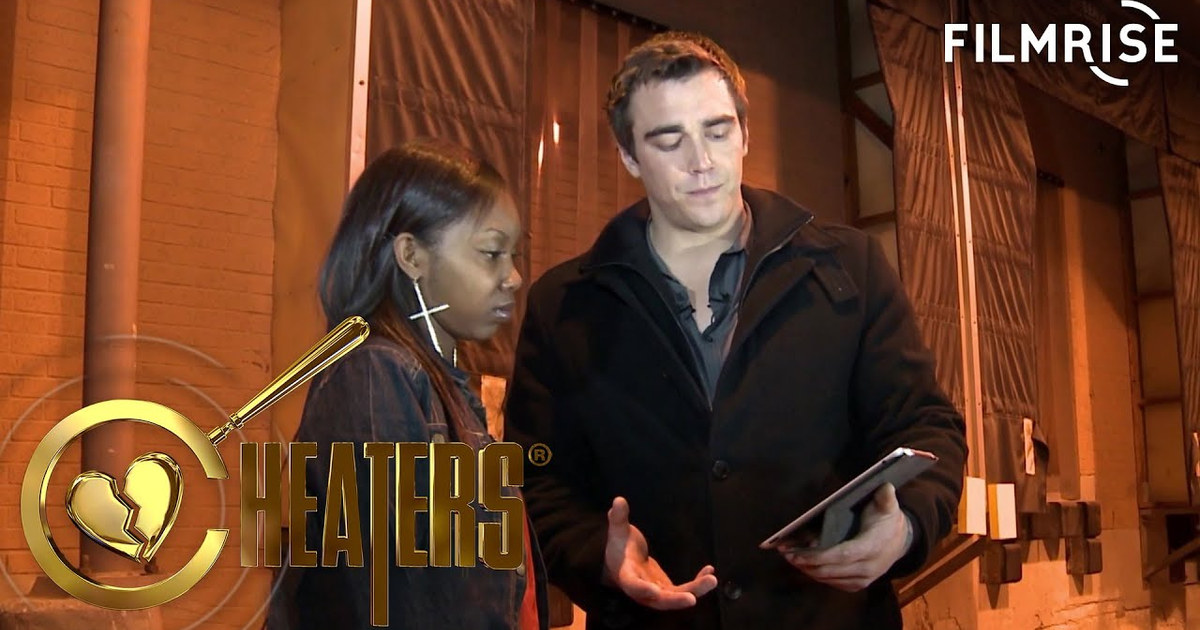
Compare that to the on-camera lights used during confrontations. When the host—Clark Gable, according to the transcript—steps out of the van and walks toward the cheating partner, there's a noticeable shift in lighting. The camera operator is now using a handheld LED panel, probably something like a Litepanels Astra or a Rotolight Neo, mounted on the camera. It's harsh, direct, and it creates a shadow behind the subject that makes them look like they're being interrogated. Because they are. The light is a tool of aggression. It's the visual equivalent of a raised voice.
[[VIDEO]]
And yet, for all the technical sophistication, the ethical implications are impossible to ignore. The subjects are filmed without consent. The surveillance is real. The pain is real. And the show packages it as entertainment. That's the blurred line. When you watch Rear Window, you're watching a fictional character spy on his neighbors. When you watch Blow-Up, you're watching a fictional photographer obsess over a grainy image. But when you watch Cheaters, you're watching actual people have their lives torn apart in real time. The camera doesn't care. The lens doesn't judge. But the audience does. And that's the uncomfortable truth at the heart of the show's visual language.
So what should you watch for? Pay attention to the moments when the camera struggles. The focus hunts. The exposure blows out. The frame goes dark. Those aren't mistakes. They're the fingerprints of a crew that's shooting on the fly, in the dark, with gear that's often pushed to its limits. And in those imperfections, you'll find the real story. Not the cheating. Not the confrontation. But the messy, unpolished reality of trying to capture truth through a lens that was never designed for it. That's the Cheaters visual language. And once you see it, you can't unsee it.
What to Watch For: The Lasting Impact of Cheaters on Reality TV and Beyond
Cheaters didn’t just expose affairs—it exposed us. The show’s gritty, surveillance-style aesthetic and raw emotional confrontations have left an indelible mark on reality TV, influencing everything from camera techniques to the ethics of on-screen conflict. As a cinematographer who’s shot second-unit, I can tell you: the show’s legacy isn’t just about scandal; it’s about how we frame truth, pain, and privacy in the digital age. Let’s break down what to watch for as we trace its ripple effects.


