Part 3
[[VIDEO]]
Compare Cheaters to another long-running 'trash TV' staple: Cops. Cops ran from 1989 to 2020 — over 30 years. It was criticized for exploiting suspects and officers. But it was also often praised for its 'realism.' Critics called it a gritty, unfiltered look at law enforcement. Some even called it important. Cheaters deals with sex and relationships, not crime. And for that, it gets held to a different standard. It’s not 'gritty realism.' It’s 'trash.' Why? Because we’re more comfortable watching handcuffs than heartbreak. We can intellectualize crime. We can’t intellectualize jealousy, insecurity, and the slow death of trust.
Now, I’ll give the critics this: the show’s packaging can feel exploitative. The host, Clark Gable, has a name that sounds like a joke — and the dramatic voiceover is pure melodrama. 'You are about to view actual true stories filmed live, documenting the pain of a spouse or lover caused by infidelity.' That’s not subtle. It’s designed to hook you. And yes, the participants sign up. They know what they’re getting into. But signing up for a TV show doesn’t mean your pain is fake. It means you’re desperate for answers. It means you’ve exhausted every other option. It means you’re willing to expose your worst moment to strangers because you need to know the truth.
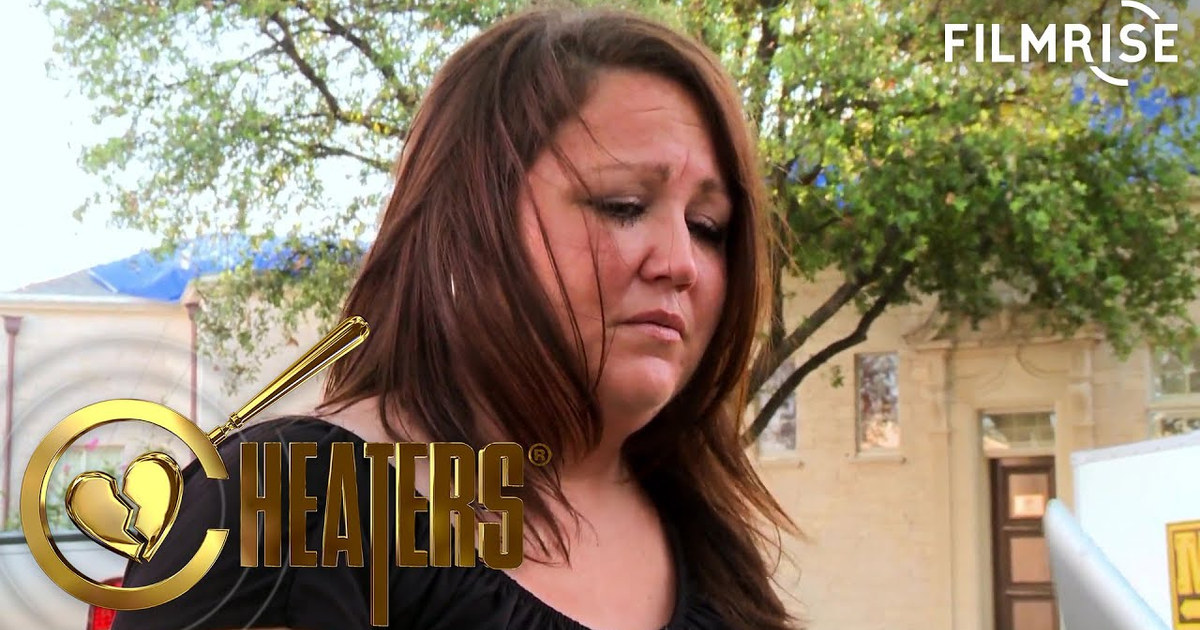
Ginger says something that cuts through all the noise: 'I love Jack. I love him with all my heart. I really do. But I’m not gonna sit here and let him cheat on me. If it’s not me going crazy and it really is him cheating on me, then I won’t stand for that. I’m not gonna raise my son and let him think that…'
That’s not trash. That’s a moral stance. She’s drawing a line. She’s saying: I deserve fidelity. My son deserves to see his mother stand up for herself. That’s the opposite of trashy. That’s brave.
So when someone calls Cheaters 'trash TV,' ask them: trash for whom? For the executives who profit? Maybe. For the audience that gawks? Sometimes. But for Ginger? For Jack? For the thousands of real people who have sat in that chair? It’s not trash. It’s a mirror. And a lot of people don’t like what they see.
Section 3: The Show Doesn't Create Cheaters — It Reveals Them
Here’s the accusation that gets thrown at Cheaters more than any other: the show encourages infidelity. It puts a camera on a cheater, turns the whole thing into a spectacle, and suddenly every weak-willed spouse in America has a roadmap. That argument sounds smart at a dinner party. It falls apart the second you actually watch an episode. Cheaters doesn’t create cheaters. It catches them. And the difference matters more than the show’s critics want to admit.
Take the episode everyone points to when they want to call the show cruel: the case of Ginger Franklin and her husband Jack. Ginger sits down with host Clark Gable and lays out the evidence like a detective building a file. Jack changed his underwear from boxers to briefs. He started wearing cologne. He developed a sudden, intense interest in dental hygiene — a man who used to be terrified of the dentist was now scheduling appointments and refusing to let his wife come along. His work schedule shifted. He was coming home late. Ginger noticed all of this over months, not minutes. The show didn’t hand Jack a script. Jack wrote it himself, one suspicious decision at a time.
That’s the part the ‘trash TV’ crowd skips. The Cheaters detectives didn’t invent Jack’s affair. They spent nine days investigating it. Nine days of surveillance cameras rolling, of following leads, of documenting behavior that was already happening. If Jack had been faithful, the cameras would have caught nothing. The show’s entire format depends on the cheater having already cheated. You can’t film a sting on a crime that never happened. The affair predates the investigation. The investigation just makes it visible.
Compare that to the reality shows that actually manufacture drama. The Real World, which debuted on MTV in 1992 and is still churning out seasons, puts seven strangers in a house, strips away their privacy, and lets alcohol and cabin fever do the rest. Big Brother, which launched in the Netherlands in 1999 and hit American screens on CBS in 2000, literally locks people in a house and engineers competitions designed to provoke conflict. Those shows don’t document pre-existing relationships. They create new ones, then squeeze them until something breaks. Cheaters doesn’t put strangers in a pressure cooker. It follows people who already made their choices. The conflict isn’t a production trick. It’s a fact.
[[AD]]
Even the show’s own tagline makes this explicit. Every episode opens with the same disclaimer: the program is ‘documenting the pain of a spouse or lover caused by infidelity’ and is ‘dedicated to the faithful and presented to the false-hearted to encourage their renewal of temperance and virtue.’ That’s not the language of a circus. It’s the language of a moral service. The show frames itself as a tool for the betrayed, not a playground for the betrayer. You can roll your eyes at the melodrama of that phrasing — I do — but you can’t pretend the show is out here recruiting cheaters. It’s out here exposing them.
Now, let me give the other side its due. The confrontations on Cheaters can be brutal. The editing often makes participants look foolish, and the show has a long history of turning real pain into punchlines. There’s a reason people call it exploitative. The cameras get right up in the middle of a marriage falling apart, and the soundtrack swells like it’s a soap opera. That’s a fair criticism. But cruelty in presentation is not the same as causation. The show didn’t make Jack change his underwear. It didn’t make him hide his dental visits. It didn’t make him work late. Jack made those choices. The show just showed up with a camera and asked him to explain them.


