Part 3
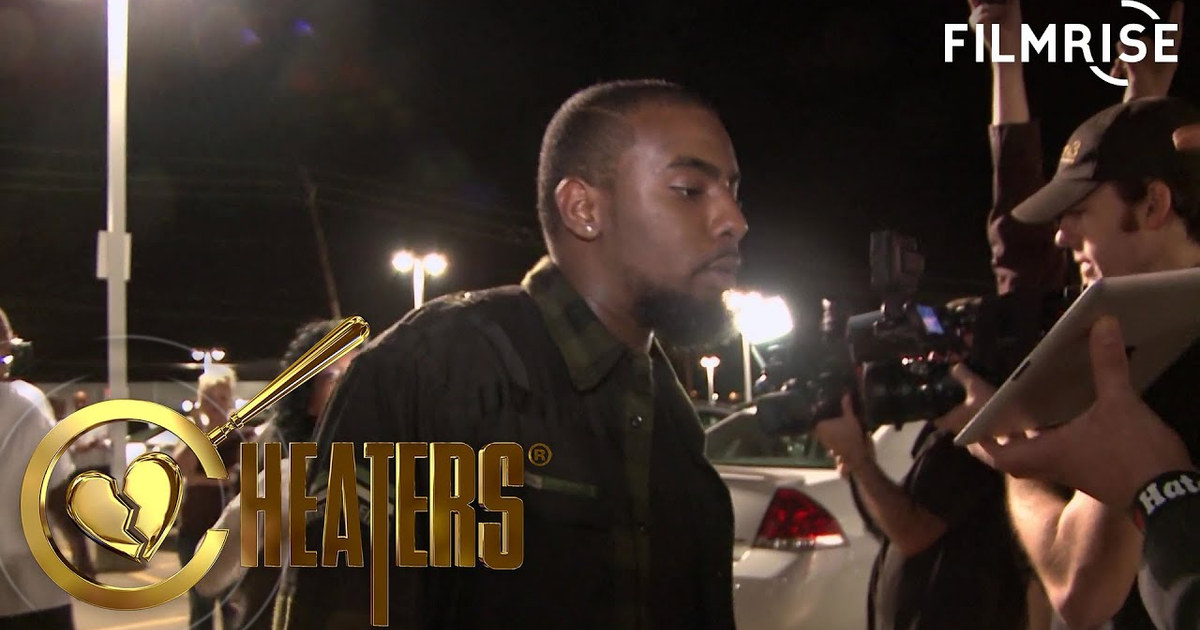
Framing is split-second instinct. The operator snaps to close-ups of faces—Kalita's shocked expression, Ghamar's defensive posture—then pulls wide to capture the full scene. Reaction shots are grabbed on the fly, and the camera never stops moving. It's a dance of improvisation, and the operator is making decisions that would take a scripted director hours to plan. Here, it's all in the moment.
Compare this to other reality TV confrontations, like The Jerry Springer Show (1991–2018) or Maury (1991–). Those are staged, lit for maximum drama, with multiple cameras and a live audience. Cheaters has a more documentary feel—no audience, no safety net, just a crew with cameras and a mission. It's closer to the vérité style of Frederick Wiseman than to a talk show, and that's what makes it so compelling.
This scene is the ultimate test of second-unit skills. No second takes, no lighting setup, just pure instinct and technical competence. The operator has to anticipate where the action will go, adjust exposure on the fly, and keep the frame steady enough to be usable. It's the kind of work that doesn't get awards but demands respect. And in the end, it's what makes Cheaters a masterclass in unscripted chaos.
What to Watch For: Lessons for Aspiring Cinematographers and the Legacy of Cheaters
So you want to shoot like a second-unit legend? Cheaters is your accidental film school. It teaches you that adaptability isn't just a buzzword—it's survival. You're in a car, on a sidewalk, in a coffee shop with a long lens and no permission. You learn to read light like a script: the flat fluorescent hum of a diner, the harsh noon sun in a parking lot, the soft glow of a bedside lamp during a confrontation. You learn to capture emotion under pressure, because you get one take and the subject is crying, screaming, or both.
The legacy of Cheaters is bigger than the memes. It helped define reality TV's raw aesthetic, influenced found-footage and mockumentary styles, and gave us a template for unscripted drama that feels documentary-real. Shows like Cops (1989–present) and America's Most Wanted (1988–2012) used similar techniques, but Cheaters added a soap-opera heart. Modern true-crime docs like The Jinx (2015) owe a debt to that same vérité intimacy.
If you're an aspiring cinematographer, here's your checklist: practice shooting in uncontrolled environments. Learn to use long lenses—a 70-200mm f/2.8 is your best friend. Embrace imperfection. Some of the most powerful moments in Cheaters are technically flawed but emotionally perfect. Study the work of cinematographers like Roger Deakins (No Country for Old Men, 2007) for natural light, and Emmanuel Lubezki (Children of Men, 2006) for long takes. But also watch Cheaters for its guerrilla grammar.
Next time, we might break down another episode or compare Cheaters to scripted surveillance thrillers like Francis Ford Coppola's The Conversation (1974). Until then, watch Cheaters not just for the drama, but for the raw filmmaking craft on display. You'll never look at a long lens the same way again.


