Part 2
[[AD]]
From a technical standpoint, this is guerrilla filmmaking at its finest. The operators are shooting from moving vehicles, often through windshields or from adjacent cars. They're using long lenses to compress distance and maintain a safe buffer. But this approach comes with exposure nightmares. Bright sunlight and deep shadows create a dynamic range that would make even a seasoned DP wince. The auto-iris on their cameras constantly adjusts, causing highlights to blow out for a split second. You'll see it when Ghamar walks into the apartment complex—the sun flares off the building's glass, and the image momentarily clips. But that's the reality of run-and-gun. There's no time for ND filters or reflectors. You take what you can get, and you keep rolling.
The car lot scene is a perfect example of improvised coverage. The operators are parked at a distance, using the zoom to frame the couple as they move between vehicles. The composition is often off-center, with foreground obstructions—a side mirror, a passing car—that add a layer of authenticity. It's not pretty, but it's real. And that's the point. This isn't a Hollywood production with a crew of fifty. It's a small team with prosumer cameras, making split-second decisions. The result is a raw, vérité aesthetic that pulls you into the investigation.
[[VIDEO]]
Fast forward to day seven. The detectives follow Ghamar to Kalita's apartment, then to a coffee shop. Inside, they snag a good vantage point and capture the couple kissing. This is where the show's use of small cameras becomes crucial. A GoPro or smartphone, tucked discreetly, allows for close proximity without alerting the subjects. The intimacy of the shot—the kiss, the body language—is only possible because the camera is small and unobtrusive. It's a technique that documentary filmmakers have used for years, from the Maysles brothers in Salesman (1969) to the handheld chaos of Jersey Shore (2009–2012). The technical imperfections—the jitter, the awkward framing—become part of the charm. They signal authenticity.
One standout moment in the coffee shop is when Ghamar holds up a faxed car report. The camera zooms in for a close-up, shallow depth of field isolating the document against the blurred background. It's a deliberate choice, a rare moment of controlled composition in an otherwise chaotic shoot. The prop itself—a faxed car report—is a narrative device, but visually, it's a chance for the operator to show off. The focus is sharp, the framing tight. It's a reminder that even in the midst of improvisation, there's room for precision.
Audio is another layer. The recorded phone call between Brea and Ghamar is crystal clear, likely obtained via wiretap or phone tap. The contrast between the intimate call—Brea's questioning, Ghamar's evasive answers—and the visual evidence of his infidelity adds tension. As a cinematographer, you learn to appreciate how sound can elevate visuals. Here, the audio is the emotional anchor, while the images provide the proof.
This sequence echoes cinema verité classics like Salesman (1969), directed by Albert and David Maysles, where the camera follows door-to-door Bible salesmen with unflinching intimacy. The Maysles brothers embraced available light and handheld cameras, and their influence is felt in every frame of Cheaters. More recently, Jersey Shore (2009–2012) on MTV used similar techniques—small cameras, natural light, and a willingness to capture whatever happens. The result is a look that feels unpolished but deeply human. Cheaters operates in that same tradition, but with higher stakes and a built-in narrative arc.
Connecting back to the thesis: these scenes highlight the operator's ability to adapt to changing environments. Whether it's the harsh sun of a car lot or the dim interior of a coffee shop, the cinematographer uses whatever light and angles are available to tell the story. There's no time for a lighting setup. You work with what you have. And that's what makes Cheaters a masterclass in second-unit chaos. It's not about perfection; it's about capturing the truth, one blown highlight at a time.
Scene Beat 3: The Confrontation – High-Stakes Run-and-Gun and the Raw Power of Unscripted Lighting
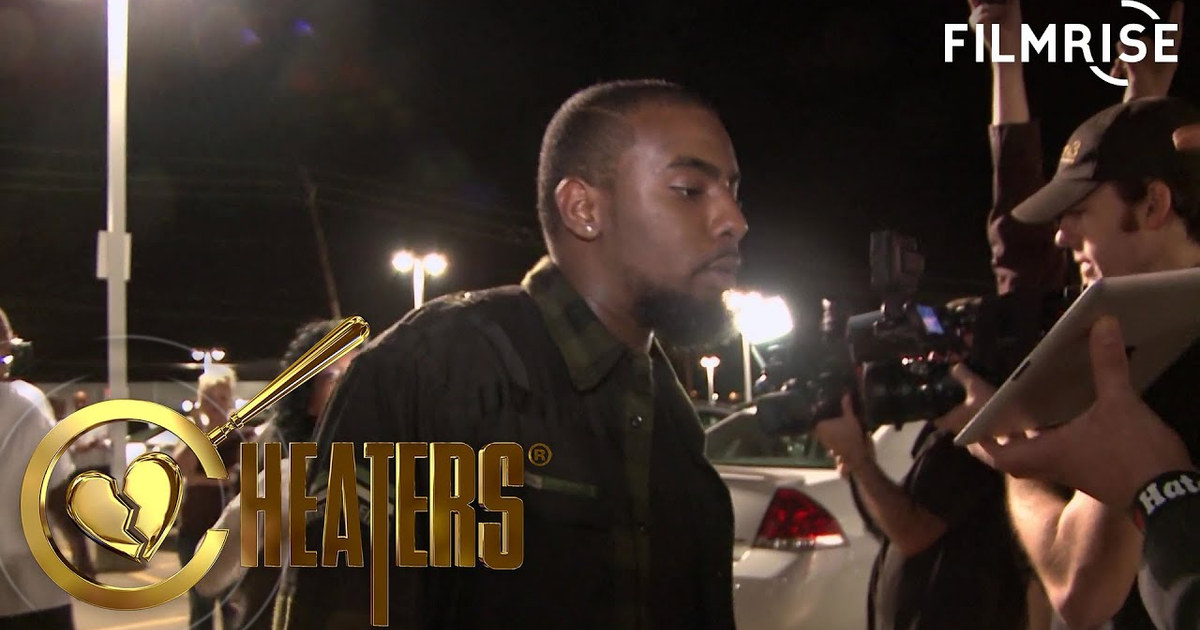
The car dealership lot is a brutal set. It's all harsh overhead fluorescents and unforgiving daylight, the kind of lighting that makes everyone look like a suspect in a police lineup. But that's exactly where the confrontation goes down. Brea, Clark, and the Cheaters crew roll up on Ghamar and Kalita, and within seconds, it's pure chaos. Shouting, accusations, a pregnancy reveal, and Brea's abortion claim—all captured in one unbroken, unscripted take. There are no second chances here. This is second-unit work at its most raw.
The camera is in the thick of it, handheld, with rapid pans and zooms that would make a Steadicam operator weep. The lighting is purely ambient—those harsh fluorescents create unflattering shadows that carve deep lines into faces, and lens flares slice across the frame when the operator swings toward the sun. It's not pretty, but it's real. And that's the point. This isn't a Roger Deakins film; it's guerrilla filmmaking, and every technical imperfection adds to the authenticity.
[[AD]]
Audio is a nightmare. Multiple microphones pick up overlapping dialogue, crosstalk, and the boom operator desperately trying to keep up as the action moves. You can hear the wind, the distant hum of traffic, and the clatter of the dealership. But that raw audio is gold. It puts you right there, in the middle of the meltdown, feeling every sharp word and broken sob. It's the kind of sound design you can't fake—and wouldn't want to.


