Part 3
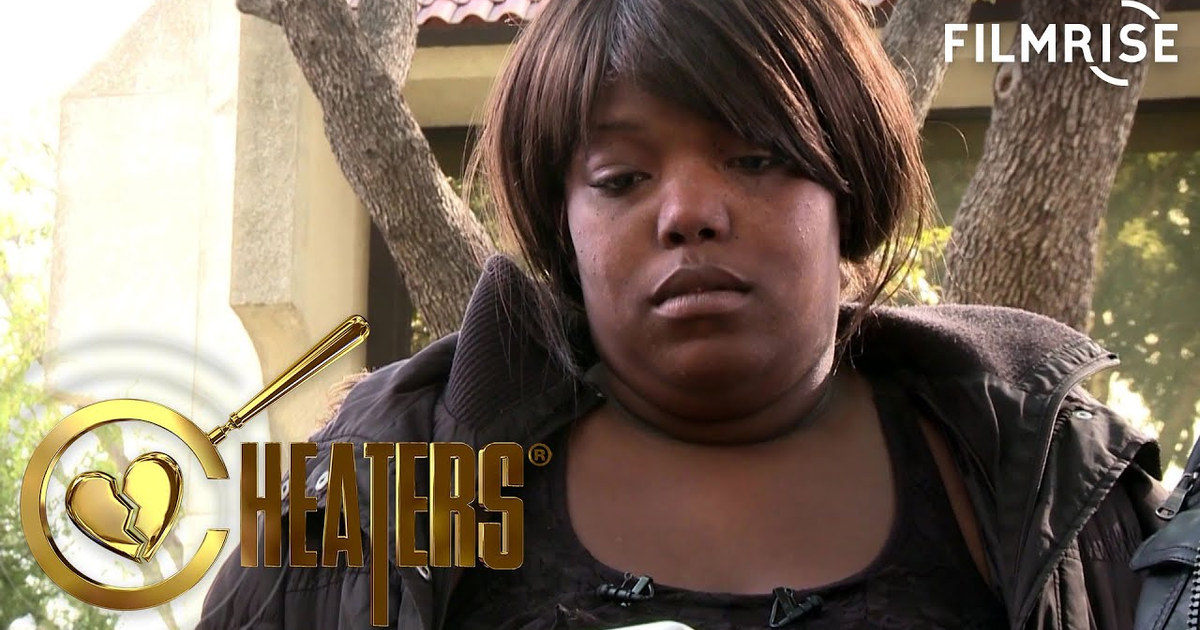
The confrontation ends, but the fallout is just beginning. Antoinelle, her voice cracking with fury, orders Ken out of the apartment they share. She demands his phone—the same phone he kept under his pillow, the one that started all this. He refuses. She threatens to break windows. The camera catches her grabbing his clothes, and in a moment that feels both cathartic and devastating, she sets them on fire. It’s not shown explicitly, but the implication is clear: she’s burning the last traces of him. The episode ends there, but for everyone involved, the real consequences are only starting.
Ken, a 25-year-old cell phone salesman, likely lost his job. His boss saw the surveillance tape—the one where Ken gives away free accessories to a woman he’s clearly involved with. That’s not just a personal betrayal; it’s theft. In the real world, that’s grounds for termination. And Scooby, the woman from the burger joint, is publicly humiliated. She thought she was just having lunch with a guy; now she’s a punchline on national TV. Antoinelle, meanwhile, is heartbroken but empowered. She kicked him out. She took a stand. But the pain doesn’t vanish when the credits roll.
Cheaters often airs updates on past participants, but many fade into obscurity. This episode, however, is remembered for its raw emotion. It’s not just about the cheating; it’s about the meltdown. The burning clothes, the screaming, the tears—it’s a masterclass in reality TV catharsis. And it’s not alone. From Jerry Springer to Maury, and later shows like Cheaters itself, a whole genre of 'caught cheating' content was born. These shows thrive on the moment when secrets explode. The narrator frames it as a moral lesson—'dedicated to the faithful, presented to the false-hearted'—but let’s be honest: we watch for the drama. We watch for the moment when someone snaps.
The aftermath of this episode isn’t just about Antoinelle and Ken. It’s about what happens when private pain becomes public spectacle. The cameras stop, but the shame lingers. Ken might have lost his job, his reputation, and his relationship. Scooby might have lost her dignity. Antoinelle might have lost her trust in love. But she also gained something: a moment of empowerment. She didn’t just cry; she fought back. And that’s why we remember it.
Stop 4: The Legacy – Why This Episode Still Matters
Cheaters didn’t just expose infidelity—it exposed us. The show ran for over 20 seasons, becoming a late-night staple that blurred the line between reality TV and true crime. It inspired parodies on sketch shows, endless memes, and a whole genre of “gotcha” television. But why does this particular episode—the one with Antoinelle and Ken—still hit so hard? Because it’s the perfect storm of everything Cheaters does best: surveillance, confrontation, host mediation, and a dramatic conclusion that feels ripped from a soap opera.
Let’s break down the formula. First, the surveillance tapes: detectives stake out Ken’s every move, catching him kissing “Scooby” and accepting rides. It’s voyeuristic, yes, but it’s also undeniably compelling. Then the confrontation: Antoinelle’s raw pain explodes into a street fight, with lines like “Rush for your mother with this hoe” that fans still quote. Host Clark Gable (not the Hollywood legend, but the show’s smooth-talking mediator) steps in to narrate the chaos, offering a veneer of authority. And finally, the dramatic conclusion: Ken’s nonchalant “I love you too” on the phone earlier makes the betrayal sting even more. This episode is a masterclass in the Cheaters playbook.
[[AD]]
But the legacy isn’t just about drama. Cheaters raised ethical questions that we’re still grappling with today. Privacy? Consent? The potential for violence? The show often operated in a legal gray area, filming people without their knowledge and airing their worst moments. Yet it remained popular because it taps into a universal fear: betrayal. We’ve all wondered if we’re being played, and Cheaters lets us watch that fear play out from a safe distance. It’s cathartic, even if it’s problematic.
Compare it to modern true-crime and reality shows. Without Cheaters, would we have the explosive confrontations of 90 Day Fiancé or the hookup drama of Love Island? Probably not. Cheaters walked so they could run—or, more accurately, so they could sprint into a pool of tears and accusations. Shows like Temptation Island and even documentaries like The Jinx owe a debt to Cheaters’ mix of investigation and emotional meltdown. It’s the granddaddy of reality TV’s obsession with exposing secrets.
And then there’s the meme-ability. “I was supporting the neighborhood” and “You getting out of my house” are quotes that fans still repeat, turning a painful moment into a punchline. That’s the genius of Cheaters: it’s so absurd, so raw, that it becomes timeless. This episode, in particular, has a second life on YouTube and TikTok, where new generations discover the chaos and cringe. It’s a relic that refuses to stay buried.
So why does this episode still matter? Because it captures a specific moment in reality TV history—when the genre was still finding its footing, and the lines between entertainment and exploitation were blurrier than ever. It’s a time capsule of early 2000s fashion, slang, and attitudes, but it’s also a reminder that the more things change, the more they stay the same. We’re still watching people get caught, still feeling that vicarious thrill, still asking: what would I do if it were me?


