Part 2
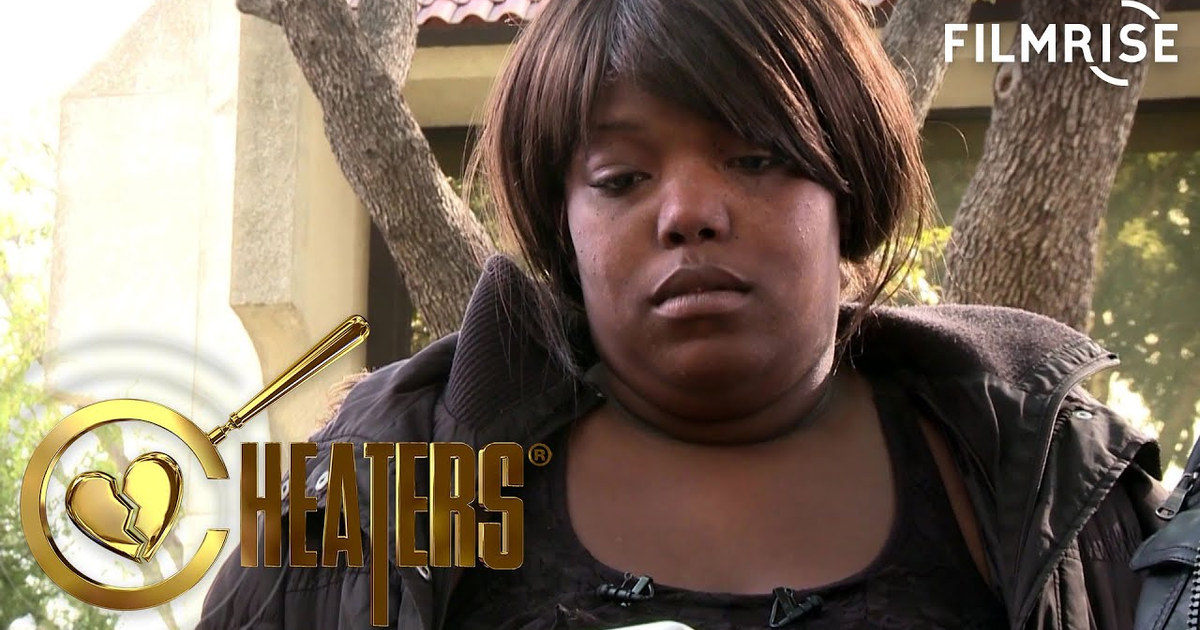
Day four. Ken waits at his regular pickup point. Scooby arrives. Meanwhile, Antoinelle calls. Ken answers: “Hey baby.” She asks what he’s doing. He says, “Nothing. Kind of busy. I’ve been selling these phones and stuff.” She asks what he wants for dinner. He requests spaghetti. She asks if he’s coming home late again. He says, “I’m selling some phones right now, I’m kind of busy. Can I call you back?” She says, “I love you.” He says, “Love you too.” And Scooby is right there. That’s the moment the audience knows. It’s not the kiss or the hug—it’s the lie, delivered with the other woman in earshot.
Cheaters didn’t just document infidelity; they pioneered the use of hidden cameras and surveillance in reality TV. Before Cheaters, shows like Cops (1989–present, Fox) used ride-alongs, but Cheaters brought the private-eye aesthetic to relationship drama. Later, Investigation Discovery series like Who the (Bleep) Did I Marry? (2010–present) and Deadline: Crime with Tamron Hall (2013–2019) borrowed the same techniques. Even scripted thrillers like The Conversation (1974, dir. Francis Ford Coppola, 113 min) explored surveillance, but Cheaters made it a weekly ritual. The show’s detective agency format predated and influenced a wave of true-crime and reality surveillance programming.
So when you watch these tapes, don’t look for the explosive moment. Look for the free accessory, the fast-food booth, the casual hug. That’s what real infidelity often looks like: a series of small betrayals, captured by a camera you never knew was there. And that’s what makes it sting.
Stop 2: The Confrontation – When the Show Becomes a Street Fight
The surveillance is done. The evidence is stacked. Now comes the part that made Cheaters a cultural phenomenon: the ambush. Host Clark Gable (no, not the Gone with the Wind legend) leads Antoinelle and the detectives to a fast-food burger joint where Ken and his side piece, Scooby, are enjoying a quiet lunch. What follows is less a confrontation and more a five-car pileup of raw emotion, bleeped curses, and iconic one-liners.
It starts almost politely. Antoinelle walks up to the booth and says, “Hey Ken, what's up? What's going on? Y'all having lunch?” For a split second, you think maybe this will be civil. Then the reality of the situation crashes down. Ken's face cycles through confusion, panic, and guilt in under three seconds. Scooby looks like she just swallowed a fork. And Antoinelle? She's not here for small talk.
[[AD]]
The escalation is immediate. Someone—it's hard to tell who—shouts, “You know he's been giving free out here?” The phrase is a masterclass in reality TV chaos: vague, accusatory, and dripping with innuendo. The bleeps start flying. Threats are exchanged. Antoinelle demands to see Ken's phone, the same phone he used to hide under his pillow. Ken, for his part, does what every guilty man on this show does: he stammers, he deflects, and he tries to keep his voice down while his world explodes in a public restaurant.
This is the moment Cheaters was built for. It's messy, it's loud, and it's exactly what the show promises. The camera operators earn their paycheck, weaving through the chaos to capture every flared nostril and pointed finger. You can almost smell the fryer grease and bad decisions.
Host Clark Gable steps in, attempting to mediate. He turns to Scooby and asks the question that cuts through the noise: “Did you know he was in a relationship?” Her answer is a masterpiece of self-preservation: “No, I didn't know he was in no relationship though.” It's the classic defense of the other woman on Cheaters—plausible deniability delivered with just enough sincerity to make you wonder. Did she really not know? Or did she just not want to know? The show doesn't answer that. It just lets the moment hang there, uncomfortable and real.
And then there's Ken's excuse. When pressed about why he was buying Scooby free phone accessories and giving her rides and hugs, he offers up a line that has since become legendary among Cheaters fans: “I was supporting the neighborhood.” It's so absurd, so perfectly pathetic, that you can't help but laugh. Supporting the neighborhood? By kissing a woman outside your job? By letting her drive you around while your girlfriend sits at home making spaghetti? It's the kind of excuse that only works if you're talking to someone who desperately wants to believe you. Antoinelle is not that someone.
[[VIDEO]]
The ethics of this scene are thorny. Cheaters ambushes people. It films them at their worst, in public, without warning. Is it exploitation? Absolutely. But it's also empowerment. Antoinelle came to the show because she suspected infidelity. She was right. And now, instead of suffering in silence, she gets to confront her betrayer on camera. She gets to demand answers. She gets to walk away with her head held high—or at least with the satisfaction of knowing she was never crazy. The show gives a platform to the betrayed, even if that platform is a sticky fast-food booth.
The confrontation ends the way most Cheaters confrontations do: with no real resolution. Ken and Scooby are left to deal with the fallout. Antoinelle is left to pick up the pieces. And the cameras keep rolling. Because on Cheaters, the truth doesn't set you free—it just gets you on national television.


