Part 3
Compare that to To Catch a Predator (2004–2007), which ran on Dateline NBC and turned sting operations into prime-time theater. Chris Hansen's confrontations were the payoff, but the investigation itself was compressed into a single location—a house wired with cameras. Cheaters stretches the timeline, which builds a different kind of tension. It's not a one-act play; it's a three-act structure spread across weeks. Unsolved Mysteries (1987–2010), hosted by Robert Stack, was even more patient, often spanning years and multiple jurisdictions. Cheaters sits in the middle: more immediate than Unsolved Mysteries, more sprawling than To Catch a Predator. And for the genre fan, that means more chase, more anticipation, more moments to yell at the screen.
The emotional payoff is where the genre really delivers. The suspect's identity is withheld, but the details are vivid: the nipple pinch, the goodbye kiss. These are the small, intimate gestures that make infidelity feel like a betrayal of the body as much as the heart. The nipple pinch is almost absurd—a tiny, possessive act that says everything about the relationship between the wife and the suspect. The goodbye kiss is the punctuation mark, the moment that confirms what Rigo feared. The show captures these moments with the cold eye of a surveillance camera, and that's the point. You're not just hearing about the affair; you're seeing it. You're in the motel parking lot, you're in the buffet line, you're in the loan company. The genre fan gets the visceral thrill of the reveal.
And then there's the confrontation. In the transcript, we don't get to the actual confrontation, but the formula is well-established. Typically, the Cheaters team—led by host Clark Gable III (yes, that's his real name, and yes, he's the grandson of the legendary actor) or one of the detectives—will approach the suspect and the cheating partner, cameras rolling. The confrontation is the climax, the moment when the surveillance ends and the human drama begins. It's often messy, emotional, sometimes violent. But it's the reason the genre exists. It's the payoff for all those days of tracking and waiting.
For the genre fan, the Coronado case is a perfect example of how Cheaters turns raw data into narrative. The GPS tracker is a plot device. The perimeter set is a stage. The mobile unit is a camera dolly. And the confrontation is the final scene. It's not high art, but it's effective. And it's why the show has lasted for over two decades, spawning countless imitators and earning a place in the reality TV canon.
So if you came for the chase, you got it. The thrill of the investigation, the suspense of the reveal, the inevitable confrontation—it's all here. And if you're also a craft nerd, stick around. Because the next section is where we dig into the engineering behind the drama: how the show actually builds its surveillance systems, how it structures its episodes, and why it works as both entertainment and a weirdly compelling case study in storytelling.
Craft Nerd: The Engineering of Surveillance and Storytelling
If you're the kind of viewer who watches *Cheaters* and immediately starts reverse-engineering the workflow, welcome. You're among friends. The show is a masterclass in low-budget, high-stakes field production. It's not just drama; it's a system. And like any good system, it has inputs, processes, and outputs. Let's pop the hood.
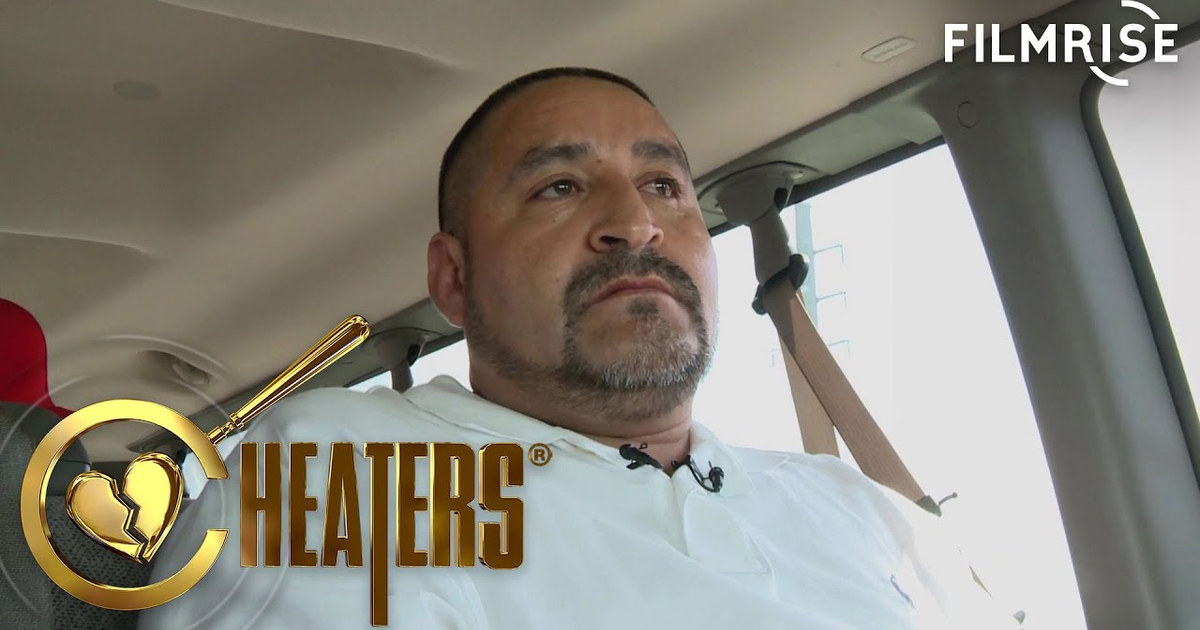
The first input is the client. In the episode we've been tracking, Rodrigo Coronado—a man married 27 years with four kids—calls the Cheaters Detective Agency after finding naked pictures on his wife's phone. His interview is raw, unfiltered, and serves as the narrative seed. From a production standpoint, that initial call is the logline. It sets the objective: confirm or deny infidelity. Everything that follows is a series of technical steps to achieve that objective.
[[AD]]
The agency's toolkit is surprisingly analog. According to the show's own disclaimers, they use GPS trackers installed by clients, private investigators, and good old-fashioned tailing. The GPS tracker is the McGuffin—a small device that turns a suspect's car into a data point. But the real engineering is in the logistics. Following a suspect across multiple locations requires coordination, timing, and a lot of waiting. The show rarely shows the hours of boredom, but the editing implies it. That's craft.
Once the surveillance footage is captured, the real magic happens in post. Raw footage is shaped into a three-act story: Act One, the client's suspicion; Act Two, the investigation; Act Three, the confrontation. Each investigation day becomes a chapter, often marked by on-screen text like 'Day 1' or 'Day 2.' This structure is borrowed from reality TV, but it's executed with the precision of a procedural. The voiceover narration—usually by the host—fills gaps, adds context, and occasionally editorializes. The dramatic music, often stock cues, swells at key moments: the first sighting, the kiss, the confrontation. It's manipulative, sure, but it's also effective storytelling.
Now, let's talk ethics. The show operates in a legal gray area. The disclaimer 'investigative charges may apply' is a nod to the fact that surveillance can cross into stalking, harassment, or illegal wiretapping. Privacy issues abound. The suspects are filmed without consent in public spaces, which is generally legal, but the confrontations often occur on private property. The line between entertainment and real-life consequences is blurred. For every tearful confession, there's a potential lawsuit. The show's producers likely have a legal team on speed dial. That's not a criticism; it's a reality of the genre.


