Part 4
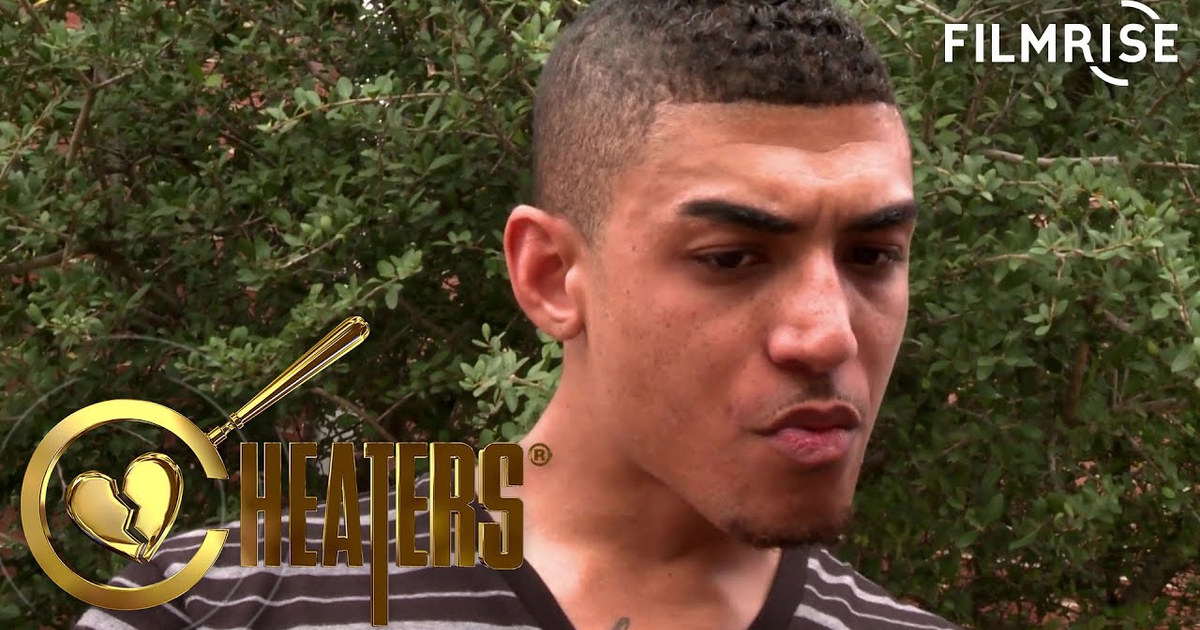
Brian blinks. He looks at Calvin, then at the cameras, then back at Calvin. His brow furrows. “Who the fuck are all these people?” It’s the line that lands hardest, because it’s the only honest one in the room. Brian didn’t sign up for this. He didn’t agree to be a character in Calvin’s reality TV episode. He was just a friend—maybe more, maybe less—who showed up at a vintage shop on a Tuesday. Now he’s trapped in a scene he never auditioned for, surrounded by strangers who’ve been following him for days. The show’s format turns a private argument into public spectacle, and Brian is the last to know.
Calvin doesn’t let up. He points at Hayley. “The movies, the cemetery, all that.” His voice is a mix of hurt and fury, as if listing the evidence will make her confess. Hayley shakes her head, her arms crossed. “There’s nothing going on.” It’s a denial that sounds rehearsed, but also exhausted. Brian steps forward, his confusion hardening into anger. “Why couldn’t you be man enough to come up to me?” he asks Calvin. “You bring cameras? You bring detectives? What kind of man does that?” Calvin fires back, something about respect, about doing everything for her. The words blur. Then Brian calls Calvin a “son of a bitch.” Calvin lunges. The manager, a wiry guy in a plaid shirt, rushes between them. “Out! Everybody out!” The cameras keep rolling. They always do.
This is the product Cheaters sells: pain as entertainment. Since 2000, the syndicated show has made a cottage industry of ambushing suspected cheaters, often with low-budget crews and staged confrontations. It’s been accused of setting up scenes, of paying actors, of manufacturing drama. But even if the confrontations are real, the format guarantees one thing: the person being confronted rarely gets a fair hearing. They’re ambushed, surrounded, and filmed. Their reactions—shock, anger, tears—become the show’s currency. The audience watches from their couches, safe and smug, judging people they’ll never meet. It’s a modern gladiator arena, except the lions are cameras and the crowd is us.
But let’s rewind. Back to the cemetery. The flowers. The hand in the hair. The kiss. What did it actually mean? The show frames it as proof of cheating. But the footage shows a man comforting a grieving woman. Hayley’s friend had died. She was at the grave, placing flowers. Brian was there. He held her. He kissed her. It could be romantic. It could be a kiss on the cheek. It could be something else entirely—a gesture of solace, a moment of shared sadness. The camera doesn’t know. The detective doesn’t know. Calvin doesn’t know. But the show’s narrative doesn’t allow for that nuance. It needs a villain. It needs a climax. It needs a kiss that means betrayal, not comfort.
And consider this: Calvin himself says Brian is gay. “He’s gay. From what I understand, he likes dudes.” If that’s true, the kiss might not be sexual at all. It might be a friend comforting a friend. It might be a peck on the cheek, blown up by a telephoto lens into something it wasn’t. But Cheaters can’t sell that story. A gay man kissing a woman doesn’t fit the cheating narrative. So the show ignores it, or downplays it, or edits around it. The truth is messy. The show wants a clean betrayal.
Widen the lens. This is the ethics of surveillance TV. Cheaters has been on air for over two decades. It’s syndicated, low-budget, and often accused of staging confrontations. Real people sign up—the suspicious partners, the ones who want proof. But the “other man” or “other woman” rarely does. They’re filmed without consent, ambushed in parking lots and apartment complexes. Their lives become fodder for a show they never agreed to be on. It’s legal, technically. But is it right? The show’s host, Clark Gable (again, no relation), delivers lines like a B-movie detective, but the pain is real. The tears are real. The lunges are real. And the cameras never stop.
Hayley’s grief is real. Her friend died. She found comfort in Brian. Calvin worked late. The relationship was failing before the cameras arrived. The cameras didn’t cause the rupture; they just documented it. In fact, they made it worse. They turned a private unraveling into a public spectacle. They gave Calvin an audience, and an audience changes everything. It makes people perform. It makes them say things they don’t mean. It makes them lunge. The cameras didn’t create the pain, but they amplified it, packaged it, and sold it for ad revenue.
So let’s return to the opening image: the flowers at the grave, the hand in her hair, the kiss. This time, we see it differently. It’s not evidence of a crime. It’s a record of two people failing to talk to each other. Calvin worked late. Hayley grieved alone. Brian was there. The kiss could have been anything. But the show needed it to be everything. The cameras were never going to fix that. They were only going to make it worse. Sometimes the need to know is stronger than the need to understand. And that’s the real tragedy—not the cheating, but the inability to ask, to listen, to trust. What happens when the cameras leave and the credits roll? That’s the story Cheaters never tells.


