Part 1
The Flowers, the Grave, and the Kiss We Can't Unsee
The footage is grainy, the kind of grainy that makes late afternoon look like it was shot through a dirty window. A woman in her early twenties—Hayley Hall, twenty-two, a waitress—walks through a cemetery with a bouquet still wrapped in plastic. The cellophane catches the light and throws it back, cheap and bright, the only shiny thing in the frame. She kneels. She sets the flowers down on a grave. A man stands a few feet back, hands in his pockets, then steps forward and brushes a strand of hair from her face. She turns. They kiss. The camera doesn’t blink. It just keeps rolling, a private investigator’s lens doing what it was paid to do: watch. Later, Calvin Fisk will sit in front of a monitor and watch the same eight seconds over and over. He hired the cameras because he couldn’t get a straight answer from the woman he loves. What the cameras gave him is an image that answers nothing and asks everything.
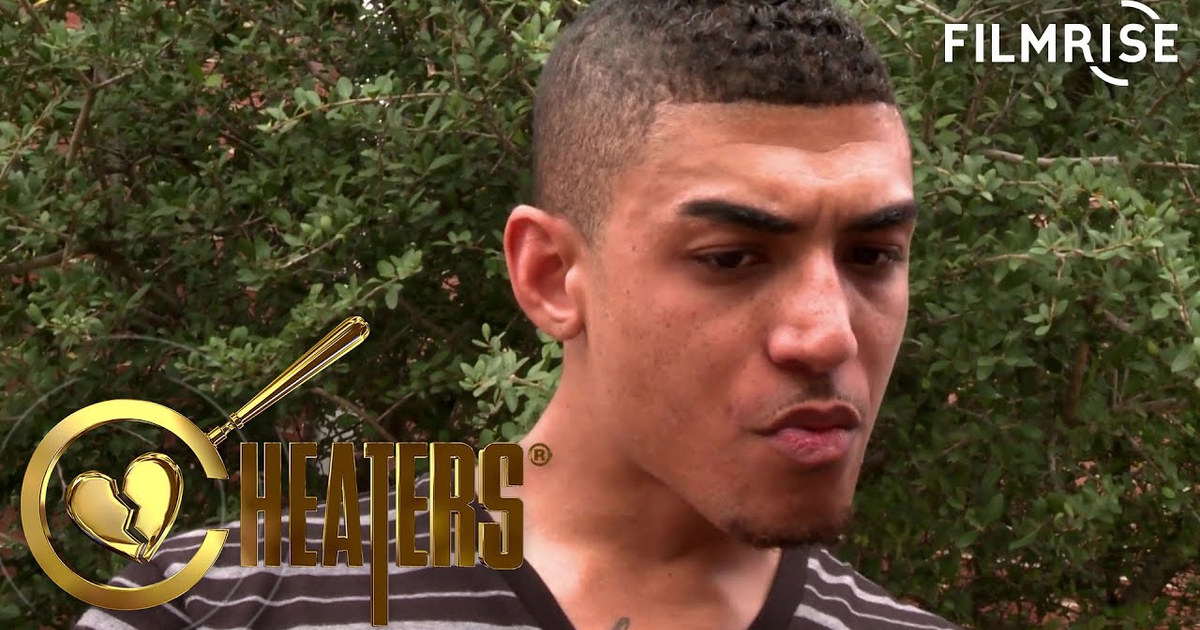
That image is the seed of this episode of Cheaters, the long-running syndicated reality series hosted by a man named Clark Gable—no relation to the actor who played Rhett Butler in Gone with the Wind (1939, 238 minutes, directed by Victor Fleming). The show has been on the air since 2000, a staple of late-night syndication, built on a simple, brutal engine: private investigators, surveillance vans, hidden microphones, and confrontations in parking lots and store aisles. The host’s name is a coincidence that feels almost like a joke the universe wrote. But the joke isn’t funny. Not here.
Calvin’s story, as he tells it to the camera, is a story about grief by proxy. His girlfriend’s best friend died. Hayley was in the house. She was crying. She wouldn’t go anywhere. Then she started going out with Brian—a friend Calvin describes, twice, as gay. “He’s gay. From what I understand, he likes dudes.” Calvin says it like a fact that should close the case. But the case doesn’t close. It snowballs. First it’s one night out. Then every night. Then two times a night. Then she’s not answering the phone, not texting back, going MIA. She’s angry at him. She picks fights. She storms out. Calvin works late. He pays the bills. He does everything in his willpower. And still, he says, “It’s not enough.”
So he calls Cheaters. The show’s detective agency sets up a perimeter. Investigation day two: Hayley leaves the house, drives to an apartment complex, waits in her car. A man—Brian—skips down the stairs and gets into her passenger seat. They go to a car wash. They fight over the hose. They disappear into the interior for a number of minutes. Detectives can’t tell what’s happening inside, but they can tell Hayley is in the driver’s seat. Day five: Brian gets into her car again. They go to a clothing store. They browse. They leave without buying anything. They go to a movie theater. They walk in intertwined. Two hours later they come out still holding hands. They drive back to Brian’s apartment. Hayley rubs his back as they walk up the stairs. An hour later, Brian walks her back to her car. And then—the kiss. The embrace. The long, slow pry apart. The separate ways.
Day seven: Brian picks Hayley up. They stop at a pharmacy. She comes out with a large bouquet of flowers. They drive to a cemetery. The detectives deduce this must be the final resting place of Hayley’s dearly departed best friend. She places the flowers. She seeks emotional support. And the camera keeps rolling. Later, there’s a phone call. Calvin asks where she is. She says she’s with Brian, going to the park with Suzanne. Calvin says they talked about this. She says, “What exactly do you expect me to do? You’re like never home.” He says he has to pay the bills. She asks, “Do you trust me?” He says, “I don’t know, Hayley.” She says, “Well maybe, if you can’t answer that question, then I got to go right now.” She says I love you. He says love you too. The call ends.
This is the material. This is what Cheaters does. It takes private pain and turns it into a segment, complete with suspenseful music and a host who intones, “I’m Clark Gable, and this is Cheaters.” The show has been doing this for more than two decades. It is a machine for converting ambiguity into narrative. And the narrative it wants is simple: Hayley is cheating. Brian is the other man. Calvin is the victim. The kiss at the cemetery is the proof. But watch the footage again. Watch the flowers still in their plastic. Watch the hand brushing hair. Watch the kiss. Is it romantic? Is it grief? Is it two people holding each other because the ground just opened up and swallowed someone they both loved? The show’s editing insists on one answer. The image itself refuses to give one.
Calvin hired the cameras because he couldn’t get an answer from Hayley. He wanted clarity. What he got was a series of images that raise more questions than they answer. That’s the central irony of this episode, and maybe of the entire genre. Surveillance promises truth. It delivers footage. And footage, as any novelist knows, is just a sentence without a subject. You can read it a hundred ways. The show reads it one way. But the show isn’t the only reader. We are. And what we see in that cemetery—the plastic wrap, the late light, the hand, the kiss—says as much about us as it does about Hayley Hall.


