Part 1
Stop One: The Opening Credits — A Promise of Pain and Virtue
First, look at this. Before you meet a single cheater, before a single hidden camera rolls, Cheaters hits you with a sentence that sounds less like a TV show and more like a subpoena: “From Cheaters surveillance cameras, you are about to view actual true stories filmed live documenting the pain of a spouse or lover caused by infidelity.” Read that again. It doesn’t promise drama. It promises pain. Specifically, the pain of a spouse or lover. The show is telling you, up front, that somebody in the next hour is going to get hurt, and you are going to watch it happen. That’s not a disclaimer. That’s a dare.
Then comes the kicker, the line that turns a tabloid sting into a sermon: “This program is both dedicated to the faithful and presented to the false-hearted to encourage their renewal of temperance and virtue.” Dedicated to the faithful. Presented to the false-hearted. Encouraging temperance and virtue. It’s the kind of language you’d expect carved into a courthouse, not slapped onto a show where private investigators ambush people in parking lots. And yet, here we are. The opening credits are not just a warning; they’re a moral mission statement. They frame everything that follows as a public service. You’re not here to gawk. You’re here to witness justice. Or at least, that’s the pitch.
Ever wonder why the show opens with a moral mission statement before the drama? It’s all part of the act. Cheaters isn’t a documentary about infidelity. It’s a reality TV institution, created by Bobby Goldstein and premiered in 2000. The format is simple and brutal: a suspicious partner contacts the show, the show hires private investigators, and those PIs use hidden cameras to catch the cheater in the act. Then comes the confrontation. The host—Clark Gable, not the actor, a different Clark Gable—introduces the cases with a straight face and a voice that sounds like it’s been through a few late nights. He’s the ringmaster of this particular circus, and he knows exactly what he’s selling: closure, chaos, and a camera crew to capture both.
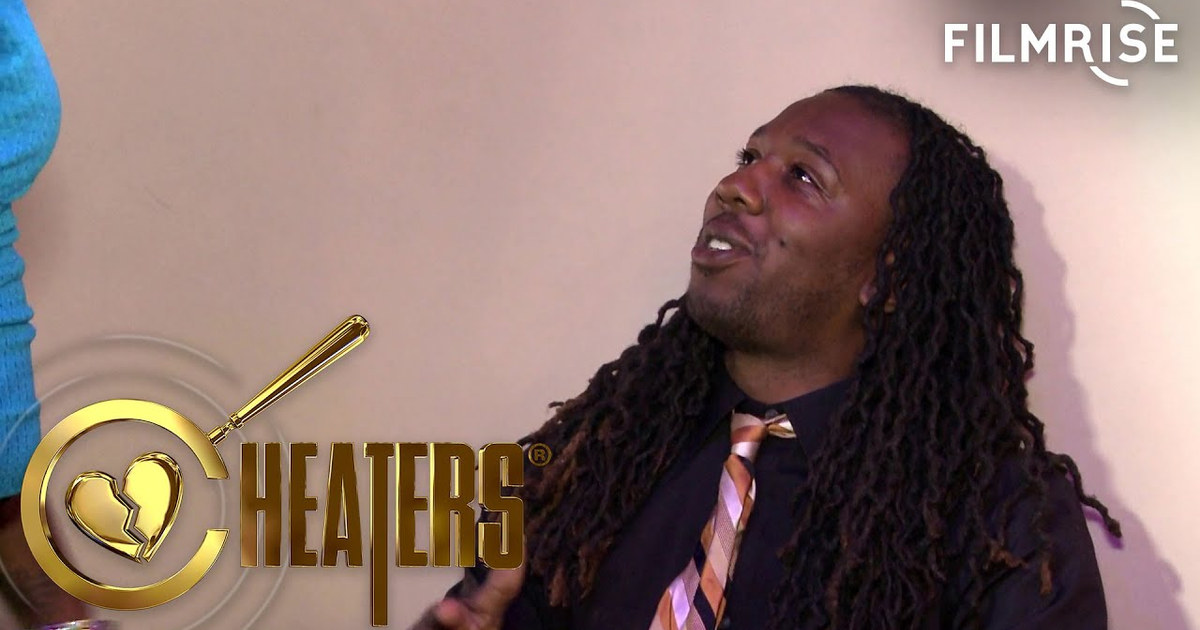
This episode follows Kanisha Barnes, a housewife with troubled thoughts concerning her beloved husband. That’s how Clark Gable introduces her: “Please meet Kanisha Barnes, a housewife with troubled thoughts concerning her beloved husband.” Beloved. That word matters. Kanisha isn’t some cynical operative. She’s a woman who still loves the man she’s about to investigate. And the man is Kyle, a 33-year-old insurance salesman. Three years together. One child. A house. A life. And now, according to Kanisha, everything has been perfect up until now—until Kyle started staying out all night, not coming home, and the couple hasn’t had sex in three months. “I’m constantly asking, you know, why don’t you touch me? Is it me? What’s going on?” she says. “And he keeps saying everything is fine. I’m just tired.”
But Kanisha isn’t buying tired. She looked at the phone bill. She saw conversations—one person, ten minutes, twenty minutes, at certain times. Times when Kyle said he was at work. Times when he said he was at the bar. “It just doesn’t add up,” she says. And then there’s the detail that really gets under her skin: Kyle claims he’s never been cheated on and never cheated on anyone. But the way he’s moving—the planning, the precision—makes her think he’s done this before. “He knows exactly what he’s doing,” she says. That’s the thing about Cheaters. The show doesn’t just catch people; it catches patterns. And Kanisha has spotted one.
So why does any of this matter? Because the opening credits set a trap for the viewer, too. They tell you this is about pain and virtue, faithful and false-hearted. They make you feel like you’re on the side of the angels. But the second the surveillance footage starts, you’re not a moral arbiter anymore. You’re a spectator. And that’s the genius of Cheaters. It dresses up a tabloid ambush as a morality play, and we all buy a ticket. The show has been running, in one form or another, for over two decades. It’s spawned countless imitators, from Cheaters clones to the entire true-crime dating genre. But none of them nailed the formula quite like this: a solemn promise of pain, a dedication to virtue, and a hidden camera in a hotel room.
Now, let’s be clear about what this show is and isn’t. It’s not a documentary in the style of Capturing the Friedmans (2003, directed by Andrew Jarecki, 107 minutes). It’s not a prestige drama like HBO’s The Jinx (2015, directed by Andrew Jarecki, six episodes). Cheaters is pure, unadulterated reality television, the kind that thrived in the early 2000s alongside Survivor (premiered 2000, CBS) and Big Brother (premiered 1999, CBS). But where those shows locked people in houses and on islands, Cheaters locked them in their own lies. And it did it with a straight face, promising temperance and virtue while delivering exactly the opposite. That contradiction is the engine of the whole enterprise. And it’s why, even now, when you hear Clark Gable say “I’m Clark Gable, and this is Cheaters,” you know you’re about to watch something that feels both deeply wrong and weirdly satisfying.
So here’s your first stop on this guided tour. The opening credits are not just a formality. They’re a contract. They promise you pain, they promise you virtue, and they promise you a front-row seat to the fallout. Kanisha Barnes signed that contract when she called the Cheaters detective agency. Kyle, the 33-year-old insurance salesman, didn’t sign anything. That’s the asymmetry at the heart of every episode. And it’s why, as we move into the next stop on our tour—Kanisha’s story, her suspicions, and the moment she decides to stop asking questions and start hiring professionals—you should keep one thing in mind: the show told you exactly what was coming. You just didn’t want to believe it.


