Part 2
This article will alternate between those two perspectives. We'll dive into the genre appeal—the infidelity, the confrontation, the catharsis—and then we'll switch to the craft, examining how the show is made, from the detective work to the editing to the host's performance. By the end, you'll see how each element enriches the other. The genre fan will understand why the show looks the way it does. The craft nerd will understand why it feels the way it does. And maybe, just maybe, you'll find yourself in both camps.
Because that's the secret of Cheaters: it's not just a guilty pleasure or a technical exercise. It's both. It's a show that understands that heartbreak is messy, but television is not. And in the space between those two truths, it found a formula that's been working for over two decades. Whether you're here for the tears or the tracking shots, you're in good company.
Genre Craft: The Raw Appeal of Infidelity and Confrontation
If you're here for the genre, you know the drill: suspicion, investigation, confrontation, meltdown. Cheaters didn't invent it, but it perfected the assembly line. And if you're here for the craft, you watch the same machinery and marvel at how efficiently it converts private pain into public spectacle. Both audiences get fed. Let's break down the mechanics.
[[AD]]
The setup is always the same: a partner notices something off. In Nate Dinkens' case, his girlfriend Casey White, 22, a waitress, started coming home smelling like alcohol after claiming she had to work until 2 a.m. She wanted to watch porn together, then pushed it into bondage territory Nate wasn't into. He traveled for work, she resented it. He wanted to support her, maybe start a family. She wanted the party guy he used to be. That's the fuel. The show's host, Clark Gable (no relation to the Gone with the Wind star), narrates the investigation like a detective walking you through a case file. He's not just a voiceover; he's a provocateur, guiding you through evidence with the solemnity of a true-crime doc and the wink of a tabloid. "I'm Clark Gable, and this is Cheaters," he says, and you're in.
The investigation itself is pure genre engineering. Day two: Casey leaves work, drives to another restaurant, sits with an unknown male. They scoot closer. After an hour and some drinks, she leans in and kisses him on the cheek. They walk hand in hand to the parking lot, hug, kiss goodbye. Day five: she gets into a sedan owned by James Bailey. They go to an upscale restaurant, she teases his hair, he gets annoyed by her texting, grabs her phone, plays keep-away. She steps outside to take a call, comes back, bumps against him, gets him to leave. He drops her off, she gives him one last bit of loving. Day six: Bailey pulls into the apartment complex. Casey greets him, leads him upstairs. Interior cameras placed by Nate capture them getting cozy on the couch, drinks in hand. Meanwhile, Nate calls Casey. She says she's still at work. He asks why she's been short lately. She says she's busy. He says he loves her. She says okay. That phone call is the quietest, most brutal evidence in the episode.
[[VIDEO]]
For the genre fan, this is justice served cold. You've got the kiss on the cheek, the hand-holding, the bedroom footage—well, couch footage—and the lie on the phone. Each beat is a data point in the case against Casey. The show's disclaimer about "investigative charges may apply" is a wink at the audience: you're watching a private investigation, and the subjects are about to get charged with infidelity in the court of public opinion. The cult following eats it up because it's raw, unfiltered, and morally unambiguous. You know who the villain is. You know who the victim is. And you know the confrontation is coming.
Compare that to Temptation Island (2001) or Love Island (2015). Those shows manufacture stakes by isolating couples and introducing temptation. The drama is engineered, but it's consensual—everyone signed up for it. Cheaters operates in the gray zone. The suspect doesn't know they're being filmed. The confrontation is ambush-style. That's the ethical boundary the show dances on. Is it filming without consent? Technically, the show claims it's an investigation, and the disclaimer covers them. But the thrill for the genre fan is precisely that lack of consent. It's voyeurism with a badge. You're not watching a game; you're watching a life implode.
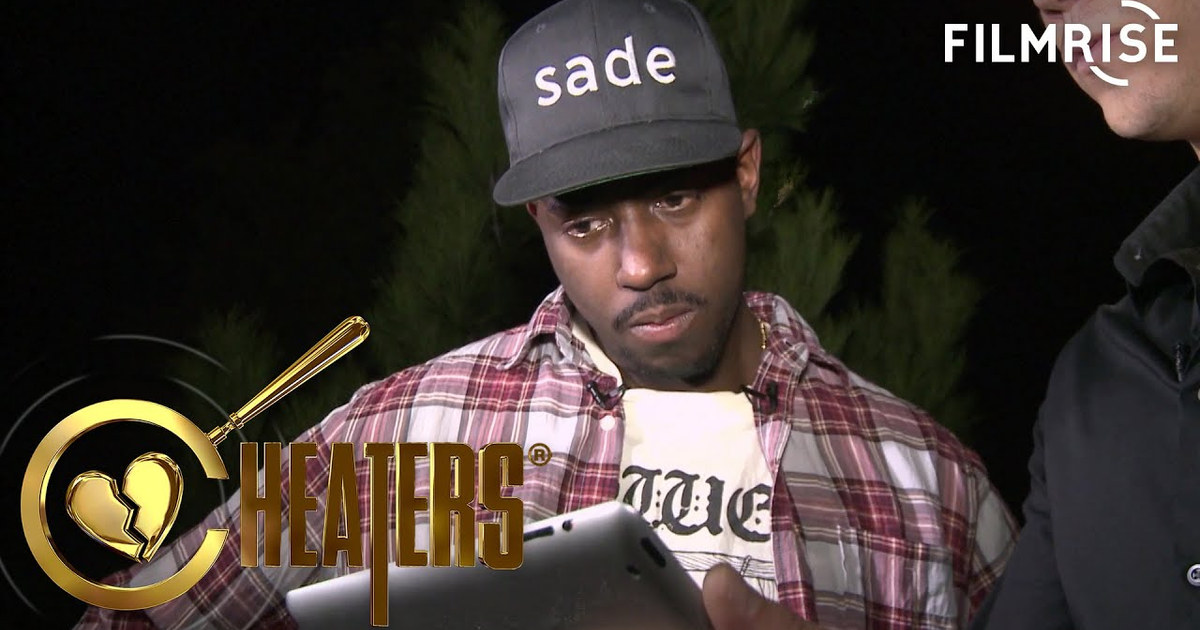
The payoff, of course, is the confrontation. In Nate's case, it happens at Caves Lounge. Clark Gable and the crew roll up. Nate walks in. Casey is there with James Bailey. Nate confronts her: "What's up? You my girlfriend?" She stammers. He keeps pressing. She says, "It's not his fault." Glass shatters. Nate yells, "Come back!" She says, "It's not me." The raw emotion is the product. For the genre fan, it's catharsis. For the craft nerd, it's a masterclass in editing—the quick cuts, the reaction shots, the sound design that amplifies every sob and scream.
But here's where the two audiences diverge. The genre fan wants the confrontation to be the end. Justice served. The craft nerd knows the confrontation is just the climax of a carefully structured narrative. The show's producers have been building this case for days, selecting which footage to show, which phone calls to include, which moments to linger on. The kiss on the cheek is a genre trope—the intimate betrayal. The couch footage is the proof. The confrontation is the release. It's engineering with a soul, if by soul you mean the messy, ugly, beautiful human emotions that reality TV captures better than any scripted drama.


