Part 2
This is the machinery. Cheaters doesn't just film infidelity; it manufactures a narrative with acts, days, and evidence. It gives you a detective agency, a confrontation, and a host who speaks in the cadence of a prosecutor. The show premiered in 2000, the same year as Survivor, one year after Big Brother, eight years after MTV's The Real World. All of them turned ordinary people into spectacles. But Cheaters added a private eye and a public shaming. It took the surveillance aesthetic of reality TV and gave it a badge.
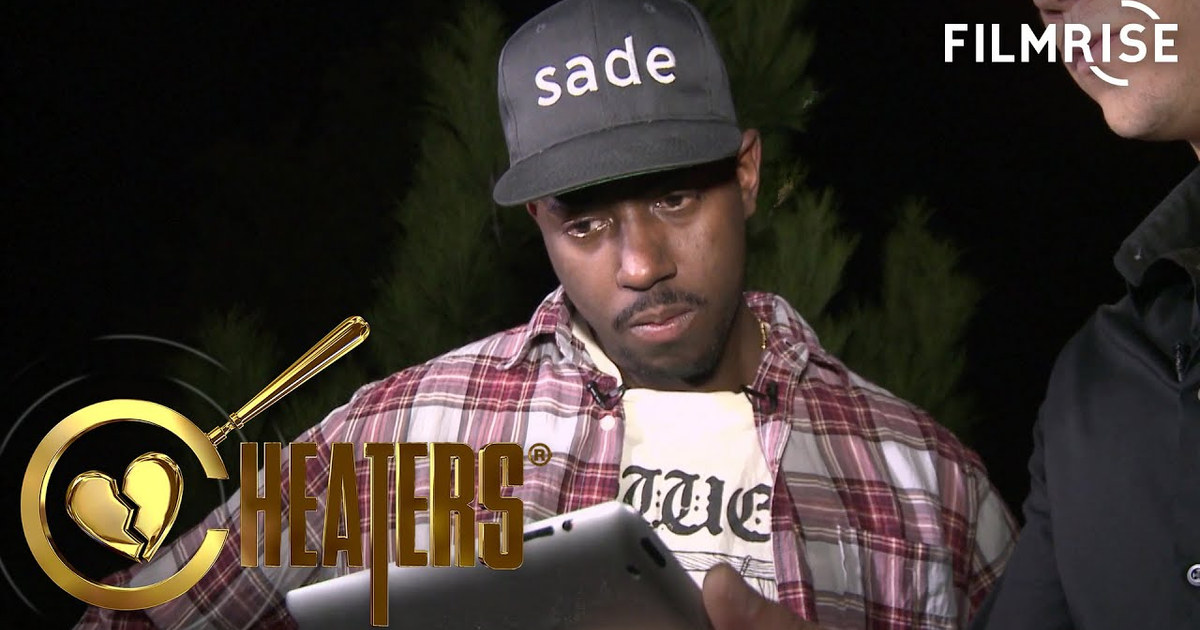
The ethical problem is baked into the format. Nate Dinkins says he wants to clear his girlfriend or move on. He says, 'If she's not cheating on me then I don't want to be unfair to her anymore. I want to just be able to find out that she's not and move on and grow together.' That's a man asking for a verdict. But the show needs a guilty verdict to be entertaining. What happens when the investigation doesn't find what the format demands? The answer is in the editing. The answer is in the music. The answer is in the way a phone buzzing becomes a smoking gun.
[[AD]]
Think about the history here. The Real World (1992) put seven strangers in a loft and called it a social experiment. Survivor (2000) put sixteen Americans on an island and called it a game. Big Brother (1999) put strangers in a house and called it a summer. Cheaters (2000) put a camera in a car and called it justice. All four shows understood the same thing: the camera changes the behavior. But Cheaters went further. It didn't just watch; it investigated. It didn't just film; it confronted. The confrontation is the payoff, the moment the show has been building toward since the first stakeout. And by then, the relationship is already over — not because of the cheating, but because of the filming.
[[VIDEO]]
The booth scene is a masterclass in misdirection. We're watching a couple have dinner. But the show wants us to watch a suspect slip up. The phone buzzes. He grabs it. She leaves. In a novel, this would be a turning point — a moment of doubt, a crack in the facade. On Cheaters, it's evidence. The show doesn't care about the nuance. It cares about the verdict. And the verdict is always the same: guilty. Because that's what the audience came for.
But here's the thing. The raw footage doesn't lie. It just doesn't tell the whole truth either. Casey teasing James's hair could be affection. It could be habit. It could be a performance for the camera she doesn't know is there. His irritation could be jealousy. It could be stress. It could be the fact that he's been told to act natural while a detective watches from a parked car. The show edits these moments into a moral story about betrayal. But the moral is imposed, not discovered. The story is manufactured, not found.
This is the age of televised suspicion. We've been living in it since the first season of The Real World. But Cheaters made it personal. It took the surveillance state and shrunk it down to a dinner date. It turned love into a case file, and it turned us into jurors. The phone is a character. The booth is a stage. The camera is the third person at the table. And the verdict is always guilty, because that's what we came to see.
Nate Dinkins says he wants to clear his girlfriend or move on. But the show needs a guilty verdict to be entertaining. What happens when the investigation doesn't find what the format demands? The answer is in the editing. The answer is in the music. The answer is in the way a phone buzzing becomes a smoking gun. The answer is in the way a dinner date becomes a case file. And the answer is always the same: the show gets what it needs, even if the people don't.
The Girl on the Patio: Casey White, Nate Dinkins, and the Price of Being Watched
Casey White is twenty-two years old. She waitresses. She lives with her boyfriend, Nate Dinkins. On a warm evening, she comes home smelling of alcohol. She wants to watch porn together. She pushes boundaries he doesn’t like. None of this is proof of anything. It’s just a relationship straining under the weight of work schedules and mismatched desires. But on Cheaters, it becomes evidence.
[[AD]]
Nate sits for his interview, and you can hear the exhaustion in his voice. He’s working hard at a new job. He travels. He’s not the “party guy” anymore. He wants to support Casey, to let her stay home, to have kids together. “I need Casey to be there for me,” he says. His suspicion is real. So is his hope. The show uses both.
The confrontation format is a staple of Cheaters. Host Clark Gable—not the actor, but the show’s narrator—reveals the footage to the accused. The transcript cuts off before that moment, but the pattern is well known. The accused is ambushed, sometimes physically. The audience watches.
This is the lineage of on-camera ambush TV. Jerry Springer debuted in 1991, Maury in 1991, and Cheaters followed in 2000. These shows made private pain a public ritual. They also raised questions about consent, humiliation, and the line between entertainment and exploitation.
For the real people involved, the aftermath is brutal. Casey White and James Bailey were named on national television. Their families, coworkers, and strangers saw the dinner date. The show moves on. They don’t.
The camera catches Casey leaning in to kiss a man on a patio. The audience gasps. But the kiss itself was not a crime. It was a moment. The show turned it into a verdict.
Every episode of Cheaters asks us to judge strangers. The better question is why we keep watching. What happens when the cameras leave? The confrontation, the fallout, and the long tail of televised suspicion—that’s next.


