Part 4
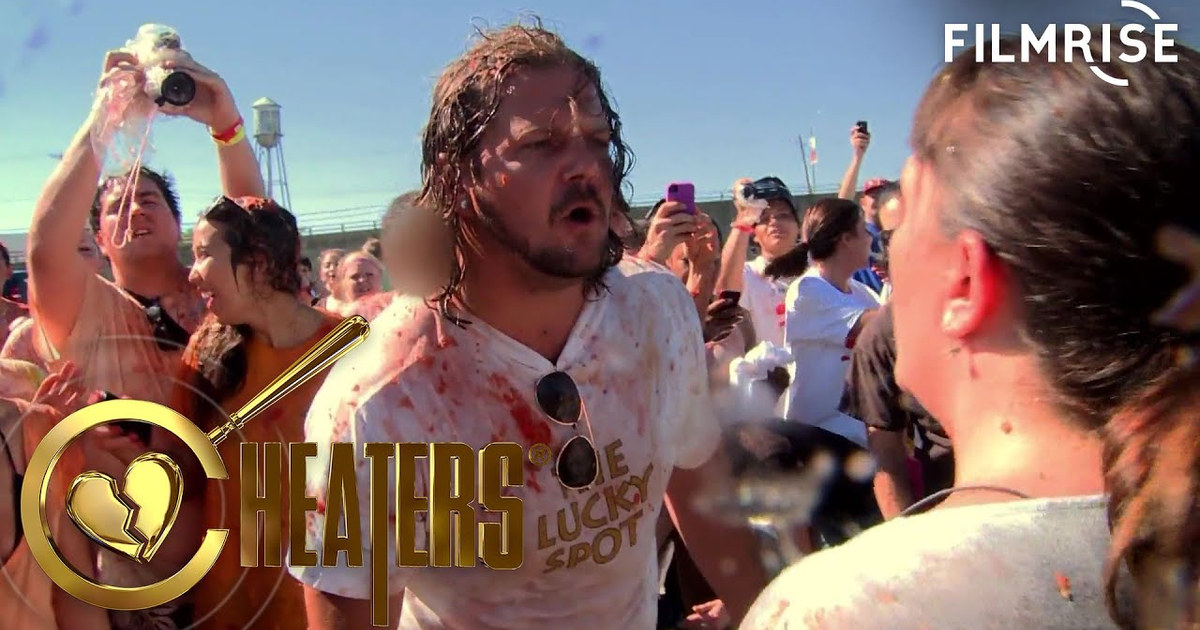
The show's influence is everywhere. TikTok sleuths use the same techniques: shaky phone footage, zoomed-in captures, dramatic reveals. True-crime documentaries like 'Don't F**k with Cats' (2019) owe a debt to Cheaters' format—the obsessive surveillance, the amateur detective work, the blurring of entertainment and investigation. Even high-end series like 'The Jinx' (2015) and 'Wild Wild Country' (2018) borrow from the same playbook: real people, real footage, edited for maximum impact. But Cheaters did it first, and it did it cheap. Its legacy is a visual language of suspicion, one that's now baked into our social media feeds. Every time you see a grainy video of someone 'caught in the act,' you're watching a descendant of Cheaters.
As a cinematographer, I see Cheaters as a guilty pleasure with genuine craft. The show's DP (or whoever operates those cameras) knows how to frame a shot for maximum unease. The night vision sequences, with their green glow and blown-out highlights, are practically a character. The long-lens surveillance shots, often shot through car windows or across parking lots, create a sense of distance that mirrors the emotional distance between the subjects. It's not pretty, but it's effective. And that's the point: the ugliness is the message. This isn't a romance; it's a stakeout. The camera is a weapon, and we're the ones pulling the trigger.
So what's next? In the upcoming confrontation episode, Penny finally sees the footage. The show will cut between her reaction and the surveillance video, using close-ups and slow motion to milk every ounce of drama. The camera will linger on her face as she watches Justin with Christie, and we'll be right there with her, complicit in the reveal. It's the payoff the show has been building toward, and it's where the ethics get even murkier. Does Penny deserve to know? Does she deserve to find out this way? The show doesn't ask; it just rolls. And we watch.
Cheaters may be low-brow, but its visual language is influential. It taught a generation of viewers to see surveillance as entertainment, to equate grainy footage with truth. As a cinematographer, I can't help but admire the craft—even as I question the morality. The next time you watch a TikTok sleuth or a true-crime doc, remember where it started: a lake, a whisper, and a hard cut to black. That's the power of the image. And that's what we'll explore next time, when we break down the confrontation episode and ask: how does the show handle the emotional fallout? What camera angles are used to capture Penny's reaction? Stay tuned.


