Part 2
Stop 2: The Surveillance Timeline — How Five Days of Footage Build a Case
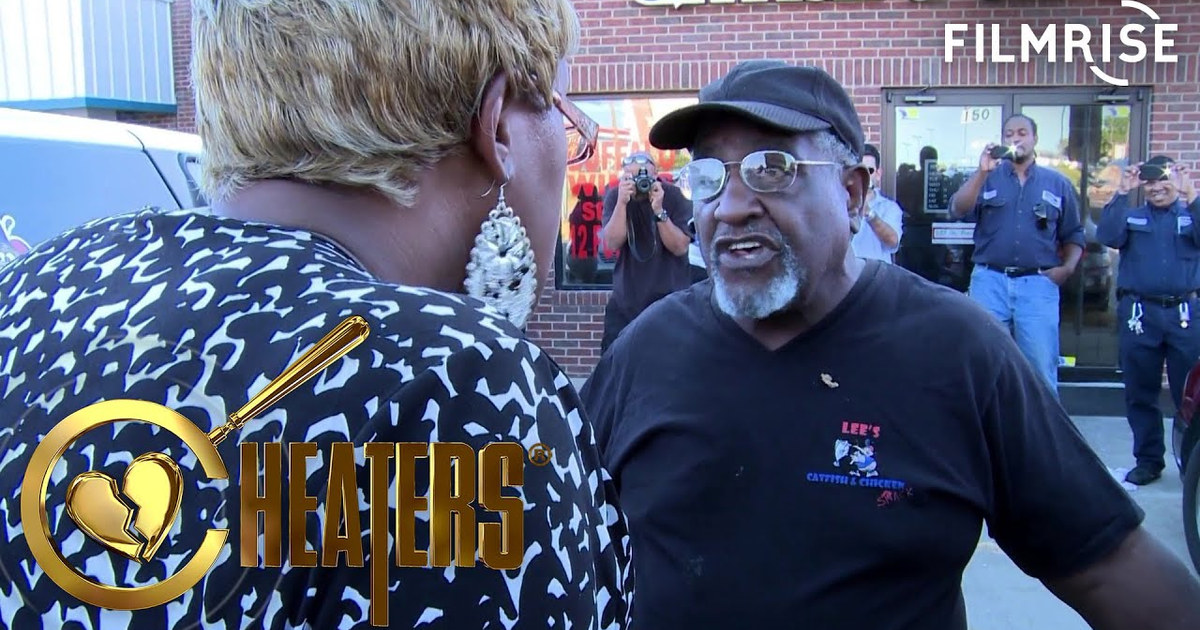
Day one. A corner table at Lee's Catfish and Chicken Shack. Virgil, 69, sits across from a blonde woman. She eats chicken. He doesn't. The camera watches from across the room, probably through a long lens, and the show lets the moment breathe. She finishes. He walks her to her car. She gives him a quick kiss on the lips. The narrator says, 'ending the day's surveillance.' But the show lingers on that kiss. Why? Because it's the first crack in Aeriol's 30-year foundation.
You might not have noticed the chicken. That's fine. What matters is the kiss. It's quick, almost casual, but it's on the lips. Not the cheek. Not a friendly peck. The show knows exactly what it's doing. It's not just documenting; it's building a case. And it starts with that tiny, devastating gesture.
Day four. After a few days of nothing, the agents catch a break. Virgil walks out to the parking lot and meets the same woman. They kiss and hug. Then they stroll hand in hand to a dimly lit area on the back side of the building. They get lost in the darkness. Twenty minutes later, they re-emerge. The narrator notes, 'the suspect's duplicity is clear in this recorded phone call.' We don't hear the call in the transcript, but the show uses it as confirmation.
What does the darkness represent? It's not just a physical space. It's the blank spot in Aeriol's knowledge. The show fills that blank with suspicion. We don't see what happens back there. Neither does Aeriol. But the camera's absence is louder than its presence. It's a void that the show invites us to fill with the worst.
Day five. Virgil closes the restaurant and waits. The woman shows up. They greet each other with 'a passion borne of elderly puppy love.' They drive to a super center, park in an obscure area. Virgil helps her climb into the back seat of his van. An hour later, she opens the van door to put her boots on. She adjusts her hair as Virgil cleans up. They make out by her car. He drives back home to his faithful wife.
The narrator's phrase 'elderly puppy love' is both condescending and oddly tender. Why does the show infantilize a 69-year-old man's affair? Perhaps to make it seem ridiculous rather than threatening. If it's puppy love, it's not a real betrayal. It's a joke. But the joke lands on Aeriol.
[[AD]]
Compare this surveillance sequence to the 2002 film 'Far from Heaven' (dir. Todd Haynes, 107 minutes). In that movie, the camera often observes from a distance, letting the audience piece together what the characters cannot say. The lush visuals of 1950s Connecticut hide the pain of forbidden love. Cheaters does the same thing, but with a van and a catfish joint. Or think of the 2019 documentary 'American Factory' (Netflix), which uses observational footage to build a case about labor and dignity. Cheaters is not art, but it uses the same tools: long lenses, waiting, and the power of the mundane.
The van is not a motel. It's a family van. That detail matters. It's the same vehicle Virgil probably uses to run errands, to pick up groceries, to drive Aeriol to church. The show knows this. That's why the narrator says 'family van.' It's a knife twist.
With a dossier full of evidence, Aeriol is contacted to view the findings. 'Fearing the worst,' she pulls herself together. The show has done its job. Now it's time for the confrontation. Note the ad break here: the tension is at its peak, and the show cuts to commercial. That's not an accident.
Stop 3: The Confrontation — When 30 Years Collide with a Catfish Joint
Clark Gable sits across from Aeriol, a tablet between them loaded with five days of surveillance. He taps the screen. There's the blonde woman climbing out of her car. There's Virgil inside the catfish joint, sharing a meal. There's the kiss outside the restaurant. Aeriol watches. She doesn't recognize the woman. But she recognizes something else.
[[VIDEO]]
"He's even walking better," she says. "He don't walk like that."
Let that land for a second. The affair hasn't just changed his schedule, his excuses, his late nights. It's changed his gait. His body moves differently. That's the physicality of deception. It's not just lies you tell—it's a new posture, a new rhythm, a new way of carrying yourself when you're sneaking around. Aeriol sees it instantly. She's been married to this man for 30 years. She knows how he walks. And now he's walking like someone else.
Gable keeps going. He shows her the van—the family van—parked in an obscure corner of a super center. Virgil cleaning it out. The woman climbing into the back seat. An hour passes. Then she emerges, adjusting her hair, putting on her boots. Aeriol's face tightens. "And what is she, a hooker?" she asks. Gable doesn't flinch. "We're gonna find that out really soon."
That's the pivot. The investigation is over. The ambush is about to begin.
Gable calls Detective Gomez, who has eyes on Virgil and the woman at a restaurant. Aeriol listens. Then she says it: "Bastard." One word. The first crack in her composure. Up until now she's been holding it together, processing the evidence like a case file. But that word—that's the sound of 30 years hitting a wall.


