Part 1
Stop 1: The Opening Narration — Why Cheaters Wants You to Feel Like a Detective
First, look at this. Before any grainy night-vision footage rolls, before a single parking-lot stakeout, Cheaters hands you a sentence that most viewers let wash right over them: “From Cheaters’ surveillance cameras, you are about to view actual true stories filmed live.” It sounds like throat-clearing. It is not. It is a contract.
That line is the show’s handshake. It tells you that what follows isn’t a reenactment, isn’t a dramatization, isn’t a “based on true events” title card. It’s raw feed. And by saying it directly to you, the show quietly promotes you from passive viewer to jury member. You’re not just watching a relationship fall apart. You’re being handed evidence.
But here’s the twist that makes Cheaters one of the strangest artifacts in reality TV history. Right after that modern, legalistic disclaimer, the narrator slides into language that sounds like it was lifted from an 18th-century moral pamphlet: the program is “dedicated to the faithful and presented to the false hearted to encourage their renewal of temperance and virtue.” Temperance. Virtue. False hearted. This is not how a 21st-century reality show talks. This is how a colonial-era sermon talks.
So why does Cheaters wrap itself in the language of a public service announcement? Because it wants to have it both ways. It wants the adrenaline of a surveillance thriller and the moral authority of a civic duty. It wants you to feel like you’re not just rubbernecking — you’re participating in something righteous. The show isn’t selling voyeurism. It’s selling justice, with a camera crew.
That tone is set before we even meet the host. And when we do meet him, the contrast is almost funny. “I’m Clark Gable, and this is Cheaters.” No relation to the Hollywood legend who starred in Gone with the Wind (1939, directed by Victor Fleming, runtime 238 minutes). This Clark Gable is a different kind of leading man. He doesn’t emote. He doesn’t console. He doesn’t judge. He hands over a dossier.
Think about other reality hosts and what they actually do. Jeff Probst on Survivor (CBS, 2000–present) is a narrator, a referee, and a therapist rolled into one. Julie Chen on Big Brother (CBS, 2000–present) is the calm voice that delivers eviction news, but she’s also the show’s steady emotional anchor. Clark Gable is neither. He’s procedural. He’s the guy who walks into the room, says “we conducted our investigation,” and opens a folder. That detachment is the point. It makes the later explosion — the yelling, the crying, the “what the hell going on?” — hit like a car crash you didn’t see coming.
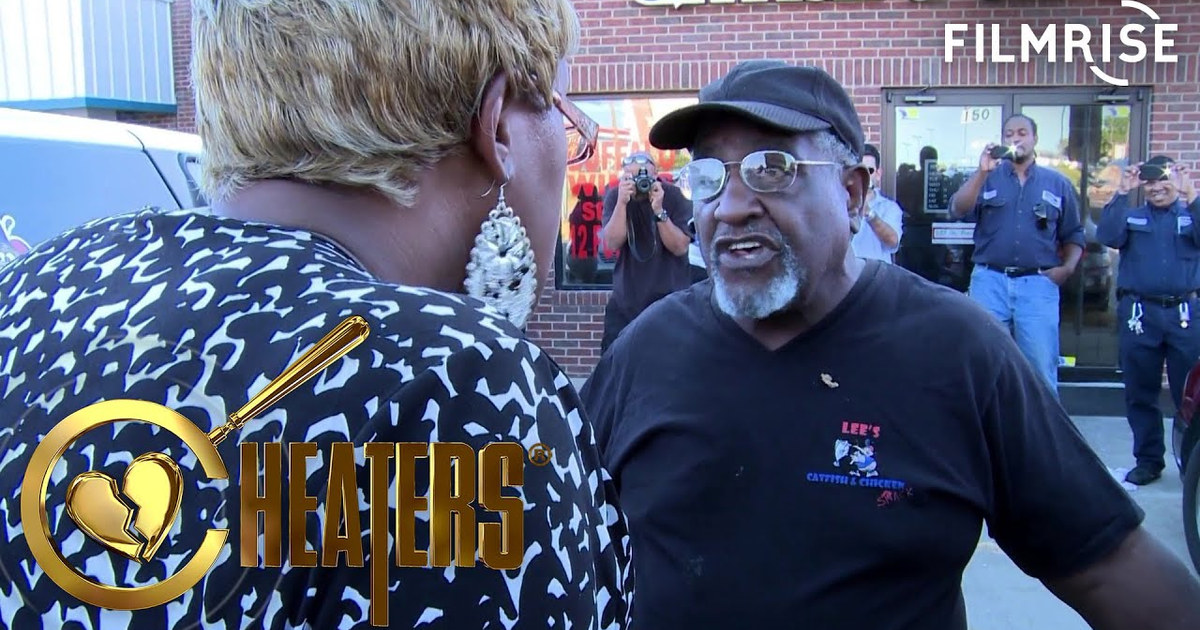
Now meet the case. Aeriol Garrison comes to Cheaters with fears about a 30-year relationship. Thirty years. That’s not a fling. That’s a lifetime. Her partner is Virgil, age 69, a cook at Lee’s Catfish and Chicken Shack. She describes him as “the kind of person that any woman would want” — always there, over-helpful. But he’s got a new job, and he’s changed. He’s always tired, yet he’s retired. So why is he going to work? “It’s like it’s a whole different person,” she says. She’s weary but unwavering. The narrator calls it an “objective examination.”
But is any reality TV ever objective? Cheaters borrows its visual grammar from the surveillance genre that exploded in the late ’80s and ’90s: Cops (Fox, 1989–2013) with its handheld chase footage, America’s Most Wanted (Fox, 1988–2012, later Lifetime) with its reenactments and direct appeals to the audience. Those shows trained viewers to watch like deputies. Cheaters takes that same grammar — grainy night vision, parking lot stakeouts, the slow zoom on a kiss — and points it at romantic betrayal instead of crime. The result is a hybrid: part true-crime procedural, part relationship melodrama, all built on the promise that you are seeing something you shouldn’t.
And at the center of it all is one line from Aeriol that functions as the engine of the entire episode: “I hope that it was maybe just a one time thing and he realized he made a mistake. But I don’t know.” That hope is what the show will systematically dismantle, one surveillance day at a time. She’s not naive. She’s not in denial. She’s a woman who has spent three decades with someone and is trying to hold two contradictory truths in her head at once. The show knows that. The show counts on that.
Before we go further, notice the ad break language that flashes on screen: “Investigative charges may apply.” That’s not a joke. Cheaters Detective Agency is a real business. The show is, in part, an advertisement for that business. The surveillance you’re watching was conducted by private investigators who sell their services to people like Aeriol. The program is the pitch. The drama is the demo. Does knowing that change how you watch? It should. Because every tear, every confrontation, every “I’m Clark Gable” is also a business card.
So here’s where our tour begins. We’ve established the contract: you are a juror. We’ve met the host: a procedural center in a storm of emotion. We’ve met the client: a woman who hopes she’s wrong. And we’ve seen the fine print: this is a service being sold. Now we can start watching the surveillance timeline unfold — and see exactly how the show builds its case, one grainy frame at a time.


