Part 1
The Consensus: Cheaters Is Just Trash TV — And That Take Is Lazy
Since its syndicated debut in 2000, Cheaters has been the punchline of reality television. Critics, TV historians, and casual viewers file it under "guilty pleasure" and move on. It's the show you watch with one eye closed, the one you never admit to binge-watching. The consensus is clear: Cheaters is exploitative, low-rent trash. And I think that consensus is wrong.
Not entirely wrong — we'll get to that. But wrong in the way that matters. Because dismissing Cheaters as mere trash misses what it actually was: a raw, unfiltered document of early-2000s American relationship anxiety, class aspiration, and the birth of surveillance-as-entertainment. It's a time capsule disguised as a tabloid circus. And it deserves a more serious read than it gets.
Let's be fair to the other side first. The show was produced by the Cheaters Detective Agency — a real private investigation firm. Confrontations were staged, or at least semi-staged. And host Joey Greco's infamous 2003 stabbing incident, during a boat confrontation, blurred the line between reality and spectacle so thoroughly that even fans had to wonder what they were watching. Those are real problems. Reasonable people find the whole enterprise distasteful. I'm not here to pretend otherwise.
But here's the contrarian thesis: the same qualities critics cite as reasons to dismiss Cheaters are the reasons it matters. The low-budget, semi-staged format is exactly what makes it a time capsule. The show didn't pretend to be prestige documentary. It was something stranger and more honest: a weekly ritual of surveillance, confrontation, and catharsis that captured a specific cultural moment — post-Jerry Springer, pre-social-media, when reality TV was still figuring out what it wanted to be.
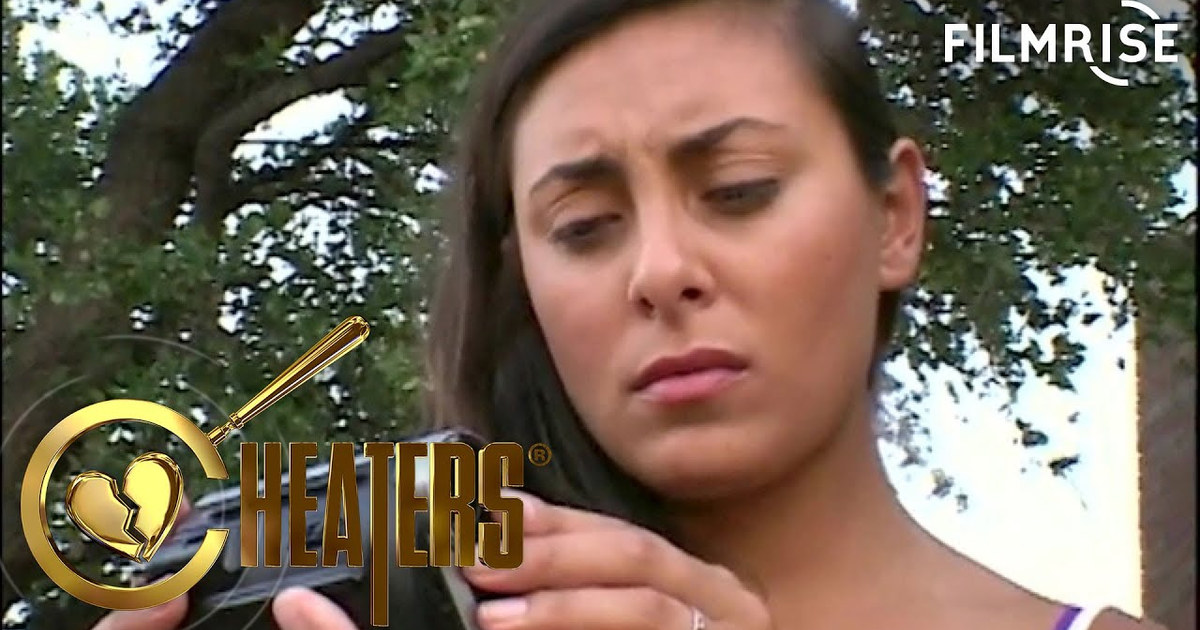
Take the Elena Connor segment. On its surface, it's classic Cheaters: a woman suspects her husband Alan of infidelity. But listen to what she actually says. She moved halfway across the country for his career. She left her family and friends in another city. He got a huge promotion, and she gave up her entire support system to follow him to Dallas. Now she feels more alone than ever. "I did all this for him," she says. That's not titillation. That's a story about sacrifice, isolation, and the cost of upward mobility.
Cheaters didn't invent that story. But it put it on television — raw, unpolished, and uncomfortable. The show gave a platform to people like Elena, whose pain was otherwise invisible. And that's the thing the consensus misses: Cheaters wasn't just about catching cheaters. It was about the collateral damage of the American Dream. The nice house, the big promotion, the fresh start in a new city — and the loneliness that comes with it.
So yes, the show was trashy. Yes, it was exploitative. Yes, Joey Greco's boat stabbing was a mess. But the dismissal of Cheaters as "just trash" is lazy because it refuses to engage with what the show actually revealed. Over the next three sections, I'm going to dismantle the three biggest arguments against the show: that it was fake, that it was pure exploitation, and that Greco was a hack. Each one deserves its own reckoning. And by the end, you might not love Cheaters — but you'll never call it meaningless again.
Dismantling the 'It's Fake' Argument: Staging Doesn't Erase Truth
Let's get the obvious out of the way: yes, Cheaters was staged. The detective agency was in-house. Participants were often recruited. The show's producers have never pretended otherwise. If that's your entire argument for why the show is worthless, you're not paying attention. You're just repeating the laziest take in reality TV criticism.
Here's the thing: staging is not the same as fiction. A produced frame doesn't erase the emotional truth inside it. And Cheaters, for all its obvious artifice, captured something real about early-2000s marriage, work, and gender roles that polished documentaries missed entirely.
Think about the other reality shows that faced the same accusations. MTV's The Real World (1992–) was accused of casting for conflict, manipulating storylines, and manufacturing drama. Survivor (2000–) was accused of rigging challenges and editing contestants into villains. Joe Millionaire (2003) was accused of deceiving its female contestants about the premise. All of these shows were accused of manipulation. None of them were dismissed as thoroughly as Cheaters.
Why? Because Cheaters wore its artifice on its sleeve. It never pretended to be 60 Minutes. It never pretended to be a serious journalistic investigation. It opened with a warning about adult themes and strong language. It showed you the surveillance footage. It showed you the detective agency's logo. It told you, in voiceover, about 'mobile units' and 'ground units' like it was a low-budget cop drama. The show was almost a parody of itself — and that transparency was weirdly honest.
Take the Elena Connor segment. She moved halfway across the country for her husband Alan's career. She left her family and friends in California. She arrived in Dallas and found herself isolated, with no support system, while Alan worked constantly. She describes the moment she realized something was wrong: walking down the street with him, reaching for his hand, and having him pull away. 'If everything I have done with my family was worth it,' she asks. That's not a writer's room invention. That's the specificity of real pain — the hand-holding detail, the home office avoidance, the way she describes feeling crazy for complaining about a nice house and nice things.


