Part 3
[[AD]]
Then the confrontation hits. The edit switches gears: quick cuts, 2-second shots, reaction after reaction. Connor's face goes pale. The woman's hands fly to her mouth. Greco steps into frame, medium close-up, breaking the fourth wall as he asks the question we're all thinking. The pacing is pure melodrama, and it works. It's the same grammar you see in Cops (1989–present), but with a string section swelling underneath. Cops gives you the arrest; Cheaters gives you the opera.
That editing rhythm isn't accidental. It's a moral argument. The long lenses and available light put us in the role of the spy, but the quick cuts during the confrontation put us in the role of the judge. We're not just watching; we're participating. And that's where the ethical ambiguity starts to bite.
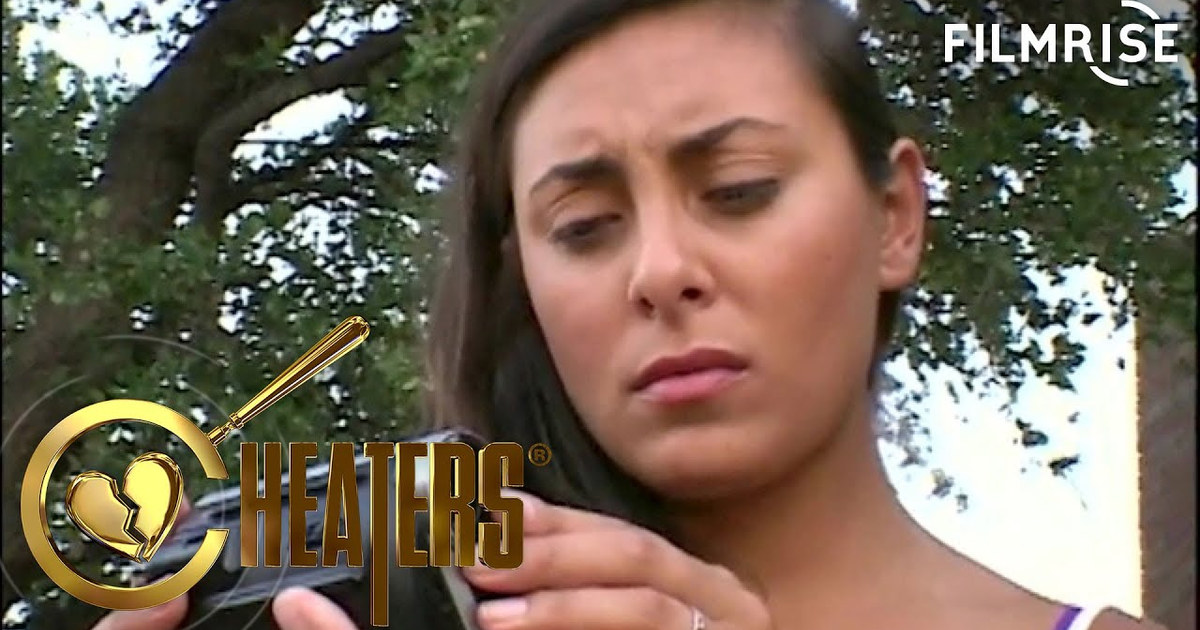
Joey Greco isn't just a narrator. He's a character. The camera frames him in medium close-up, often with a slight low angle, so he looms over the scene. He's not Walter Cronkite; he's a provocateur. When he asks, 'Is this the man you've been seeing?' he's not seeking information—he's twisting the knife. The show's intro claims it's 'dedicated to the faithful and presented to the false-hearted to encourage their renewal of temperance and virtue.' But the cinematography often sympathizes with the cheater. We see them in vulnerable moments: caught in a lie, cornered in a parking lot, their faces flushed with shame. The camera lingers on their hands, their eyes, the way they back away. It's not judgment; it's portraiture.
Compare that to Unsolved Mysteries (1987–2010), where Robert Stack's host segments were shot in dark, smoky rooms, his voice a monotone. He was an observer, a guide. Greco is a participant. He doesn't just narrate the story; he walks into it. That shift changes everything. The camera becomes complicit in the confrontation, and we become complicit too. Are we watching justice, or are we watching a humiliation ritual?
The famous episode where a woman is confronted at her workplace—and subsequently fired—is the clearest example. The camera follows her into the office, captures her boss's reaction, and then lingers on her empty desk. The edit doesn't condemn her; it mourns her. But the show's framing still presents it as a consequence of her actions. The moral compass of the lens is spinning, and no one—not Greco, not the cheater, not the viewer—comes out clean.
That ambiguity is why Cheaters has lasted. It's been parodied on Chappelle's Show (2003–2006), criticized by media watchdogs, and even inspired lawsuits. But its visual style—long lenses, available light, reactive framing—is now standard in reality TV. Shows like 90 Day Fiancé (2014–present) and Love Island (2015–present) use the same techniques to capture 'authentic' moments. The difference is that Cheaters never pretended to be a social experiment. It was always a morality play, shot like a thriller.
Next time you watch Cheaters, notice how the camera operator uses foreground obstructions—parked cars, bushes, the edge of a building—to frame shots. It's a technique straight out of Rear Window (1954), where Jimmy Stewart's character spies on his neighbors through a telephoto lens. That's not an accident. It turns every viewer into a voyeur, and every confession into a spectacle. The show's legacy isn't just its confrontations; it's the way it taught a generation of reality TV producers to shoot betrayal like a noir.
But the lens can only hide so much. The legal and ethical fallout of Cheaters—the lawsuits, the stabbing incident, the questions about consent—is where the story gets even messier. We'll explore that next: the real-world consequences of turning infidelity into entertainment, and what happens when the cameras keep rolling long after the confrontation ends.


