Part 1
The Long-Lens Confession: How Cheaters Turns Surveillance into Spectacle
Cheaters is not just tabloid TV; it's a case study in how low-budget guerrilla cinematography creates raw, uncomfortable intimacy that scripted dramas spend millions trying to fake. I've shot second-unit on enough sets to know the difference between a beautifully lit lie and an ugly truth. And let me tell you, the visual language of Cheaters—the long lenses, the available light, the shaky handheld framing—isn't a bug. It's the whole damn feature. It's a masterclass in making you feel like a co-conspirator, a peeping tom with a camcorder and a grudge.
The show's pilot-style format is deceptively simple. A handheld camera, often a Sony or Panasonic prosumer model, rides shotgun with host Joey Greco or one of his 'detectives.' They use long lenses—I'd bet a 70-200mm f/2.8, maybe a 100-400mm—to compress space and isolate the subjects. No stabilization. No gimbals. Just the operator's breathing and the weight of the moment. It's the same grammar as The Blair Witch Project (1999, directed by Daniel Myrick and Eduardo Sánchez, 81 minutes), where the lack of polish made every snap of a twig feel like a threat. But Cheaters isn't fiction. It's real people, real betrayal, and the camera is the third party in the affair.
Compare it to Francis Ford Coppola's The Conversation (1974, 113 minutes), where Gene Hackman's Harry Caul is a surveillance expert who slowly realizes his own complicity. The film's long-lens photography—those voyeuristic shots through windows and across parks—is a direct ancestor of Cheaters' visual DNA. Coppola used a telephoto lens to make us feel like we were intruding. Cheaters does the same thing, but with a fraction of the artistry and ten times the moral queasiness. And that's the point.
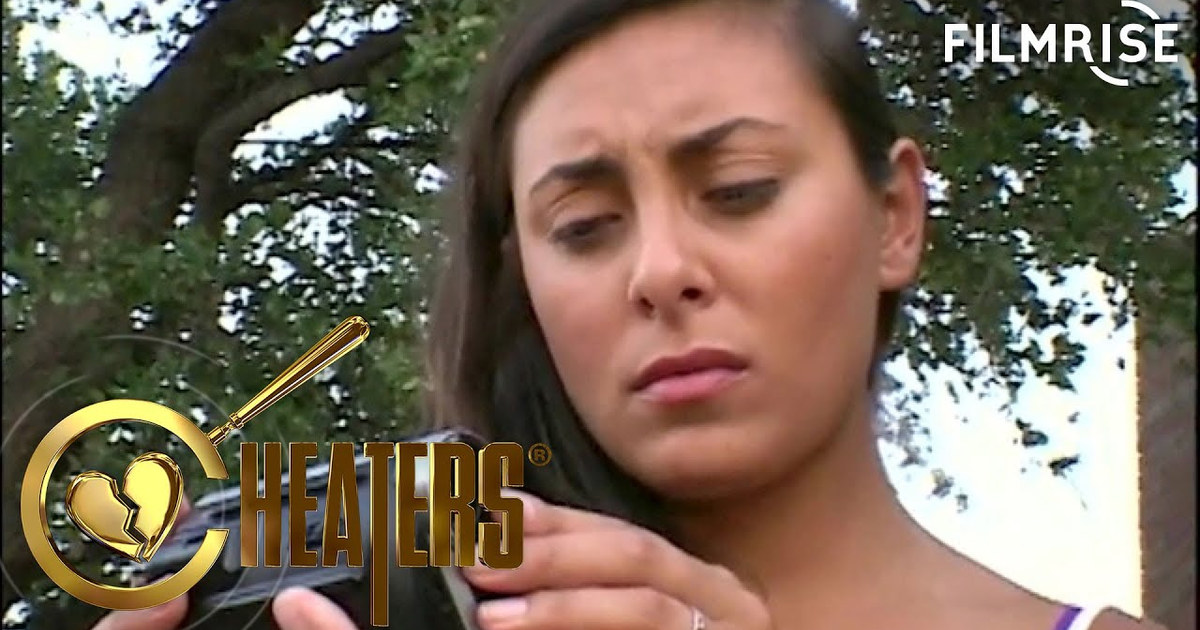
Take the opening ambush from the episode in the transcript. A woman confronts her partner at a park bench. The camera operator hangs back, maybe 50 yards, using a long lens to compress the distance. The couple is isolated in the frame, the background a soft blur of trees and sky. You can hear the wind, the birds, the raw dialogue: 'I moved here for you... because you're a selfish...' The operator doesn't zoom in for a close-up. They stay wide, letting the body language do the work. The woman's arms are crossed. The man looks away. The camera shakes slightly—not from a stabilizer failure, but from the operator's own pulse. It's golden hour, the light warm and low, casting long shadows that make the park feel like a stage. But there's no lighting crew. No reflectors. Just the sun and the truth.
That's the genius of Cheaters' cinematography. It uses natural light the way a documentary would, but with the timing of a predator. Golden hour makes everything look cinematic, even a breakup. Harsh midday sun creates squinty, uncomfortable close-ups that feel like an interrogation. The lack of fill light means faces are half-shadowed, ambiguous. You can't tell who's lying. You just know someone is. And the camera—a consumer-grade camcorder with a built-in mic—picks up every grain, every noise, every breath. That technical imperfection is a feature. It signals: this is real. This isn't a set. This is a life falling apart.
The 'detective' POV is where the show's visual grammar gets really interesting. Shots from inside cars, through windows, from across streets. It's the surveillance aesthetic of Michael Mann's Heat (1995, 170 minutes), where Al Pacino and Robert De Niro's crews watch each other through telephoto lenses. But Mann had a budget. He had crew. He had time. Cheaters has a guy in a Honda with a camcorder and a earpiece. The result is grainier, shakier, and somehow more authentic. When you see a shot from a car window, the reflection of the dashboard on the glass, the slight motion blur as the car idles—you're not watching a movie. You're watching a stakeout. And you're in the back seat.
This is where the ethical implications start to curdle. The show opens with a disclaimer: 'Cheaters may contain adult themes and strong language. Parents are cautioned that this program may not be suitable for children.' Then it dedicates itself 'to the faithful' and presents itself 'to the false-hearted to encourage their renewal of temperance and virtue.' That's a hell of a mission statement for a show that ambushes people in parks. The camera isn't just a witness. It's a weapon. The cinematographer isn't just a observer. They're complicit. They're the one who framed the shot, who chose the long lens, who decided to keep rolling when the screaming started.
And sometimes that weapon backfires. In 2003, host Joey Greco was stabbed during a confrontation. The camera kept rolling. You can find the footage online—grainy, shaky, the operator panicking but still framing the action. It's the ultimate proof that this style of guerrilla cinematography has real-world consequences. The line between observer and participant blurs. The lens doesn't protect you. It just records the blood.
But here's the thing: that visual style didn't stay in the tabloid gutter. It influenced a whole wave of reality TV that wanted to feel raw and real. Intervention (2005, A&E) used handheld cameras and available light to document addiction with the same uncomfortable intimacy. Catfish (2012, MTV) took the surveillance aesthetic online, with screen recordings and long-lens shots of doorstep confrontations. Neither show would exist without Cheaters proving that low-budget, high-emotion cinematography could hook an audience. The grain, the shake, the long lens—it's all a language now. And Cheaters wrote the dictionary.


