Part 2
Cheaters didn’t invent the surveillance aesthetic. It borrowed from Cops, from America’s Most Wanted, from the long tradition of true-crime voyeurism. But it weaponized it for domestic drama. The cameras aren’t just documenting; they’re judging. Every shaky frame is a verdict. Every zoom is an accusation. The show positions itself as a tool of justice, but it’s also a machine for humiliation. And we, the audience, are the jury.
The ethical implications are thorny. The show claims to film “actual true stories filmed live,” but the confrontations are clearly staged for maximum drama. The participants sign releases, but can you ever truly consent to being ambushed on national television? The show’s defenders say it’s cathartic for the betrayed. Critics say it exploits pain for ratings. Both can be true. Cheaters has been sued, parodied, and condemned, but it’s never been ignored. It’s a guilty pleasure that dares you to feel superior.
And then there’s the host. Clark Gable — the second one — is the perfect guide through this moral maze. He’s not a therapist, not a judge, not a detective. He’s a narrator with a monotone. His deadpan delivery makes the absurdity of the situation feel almost normal. When he says, “I’m Clark Gable, and this is Cheaters,” he’s not selling you a product; he’s inviting you into a ritual. The ritual is always the same: suspicion, surveillance, confrontation, fallout. And we keep coming back.
So what does it say about us that we can’t look away? Is it schadenfreude? A desire for justice? A reminder that our own relationships aren’t that messed up? Or is it just the thrill of the forbidden, the grainy footage that makes us feel like we’re getting away with something? Cheaters doesn’t answer that question. It just keeps rolling, one shaky frame at a time.
The Detective Agency: Private Eyes and Public Humiliation
So you've clocked the shaky cam and the night-vision green. You've heard the disclaimer. Now meet the people who make the whole machine run: the Cheaters Detective Agency. These are the real-life private investigators — the show calls them 'Private Eyes' — who take a jilted lover's suspicion and turn it into a paper trail. Without them, Cheaters is just a breakup with a camera crew. With them, it's a surveillance procedural with a score to settle.
The show's own intro spells out the mission: 'Real reality television is brought to you by Cheaters Detective Agency's Private Eyes.' That's not a throwaway line. It's a brand statement. The agency is the engine, the narrator, and the moral authority all at once. And the clients? They're the fuel.
The process is simple, repeatable, and devastatingly effective. First comes client intake. A suspicious spouse or partner sits down and lays out the case: the late nights, the sudden distance, the gut feeling that won't quit. The detective listens, nods, and takes notes. Then the surveillance begins. Cameras roll. Timestamps matter. The team follows the target — sometimes for days — waiting for the moment that proves what the client already fears.
And then there's the confrontation. That's the part everyone remembers. The detective doesn't just gather evidence; he delivers it. In person. On camera. With a microphone. It's not just investigation — it's theater. And the client is the audience.
But let's not get ahead of ourselves. Before the fireworks, there's the quiet work. And one case from the show's deep archive shows exactly how the detective agency operates — step by step, frame by frame.
[[AD]]
The Marilyn Case: Day 2, the Money, and the Lap Dance
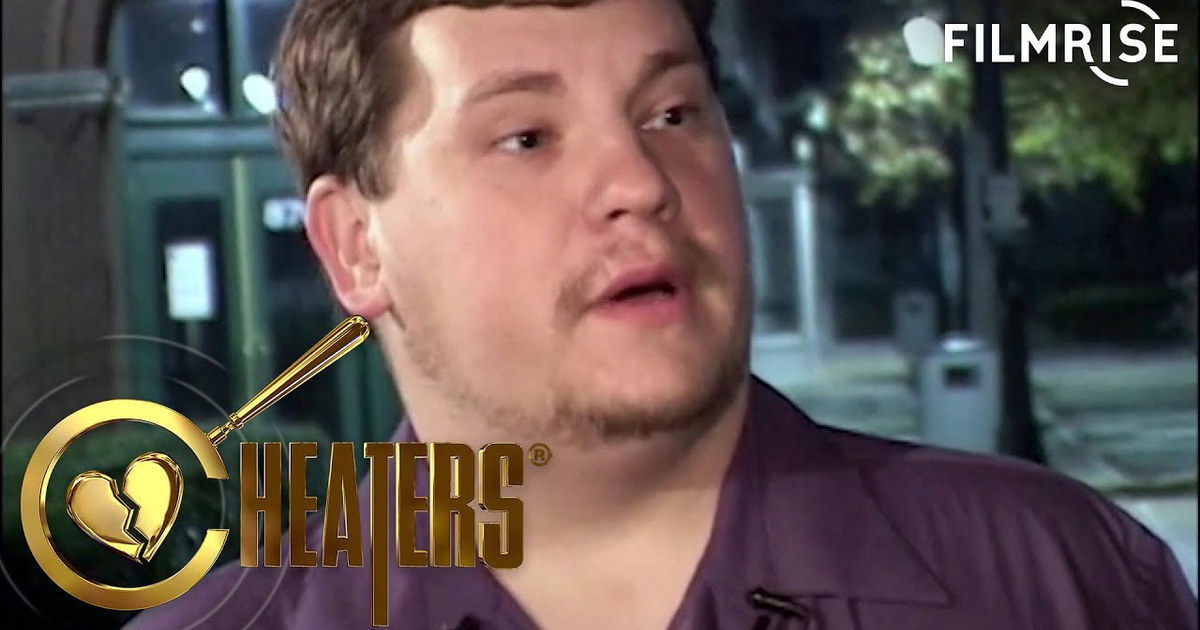
Meet Ryan Bradley. He believed he'd conquered the hard road to a happy marriage. But when his wife Marilyn lost her job, things changed. She got depressed. Money got tight. Ryan picked up extra work. And then the weekends — their only free time — started disappearing. 'I'm gonna get together with the girls,' she'd say. 'I don't want you in the house.' It wasn't a one-time thing. It happened over and over.
So Ryan did what any desperate spouse on this show does: he called the Cheaters Detective Agency. And the Private Eyes went to work.
By Day 2 of surveillance, the cameras caught something that made the whole investigation snap into focus. Marilyn was in a parking lot. With an unknown male. And they were counting money. Not a casual flash of cash — a deliberate, careful count. The kind of transaction that raises every red flag the agency has.
Then came the lap dance. In a club, under low lights, Marilyn was seen grinding on another man. The cameras didn't blink. The timestamps didn't lie. And the money exchange? That wasn't a one-off. It was part of a pattern. The detective agency had its evidence. Now it was time to confront.
This is the Cheaters formula in miniature: intake, surveillance, evidence, explosion. The Marilyn case is a textbook example. But it also raises a question the show rarely answers directly — where's the line between investigation and invasion?
The Legal Disclaimers and the Thin Line
Every episode opens with a warning: 'Cheaters may contain adult themes and strong language. Parents are cautioned that this program may not be suitable for children.' Then comes the disclaimer that matters most: 'You are about to view actual true stories filmed live documenting the pain of a spouse or lover caused by infidelity. This program is both dedicated to the faithful and presented to the false-hearted to encourage their renewal of temperance and virtue.'


