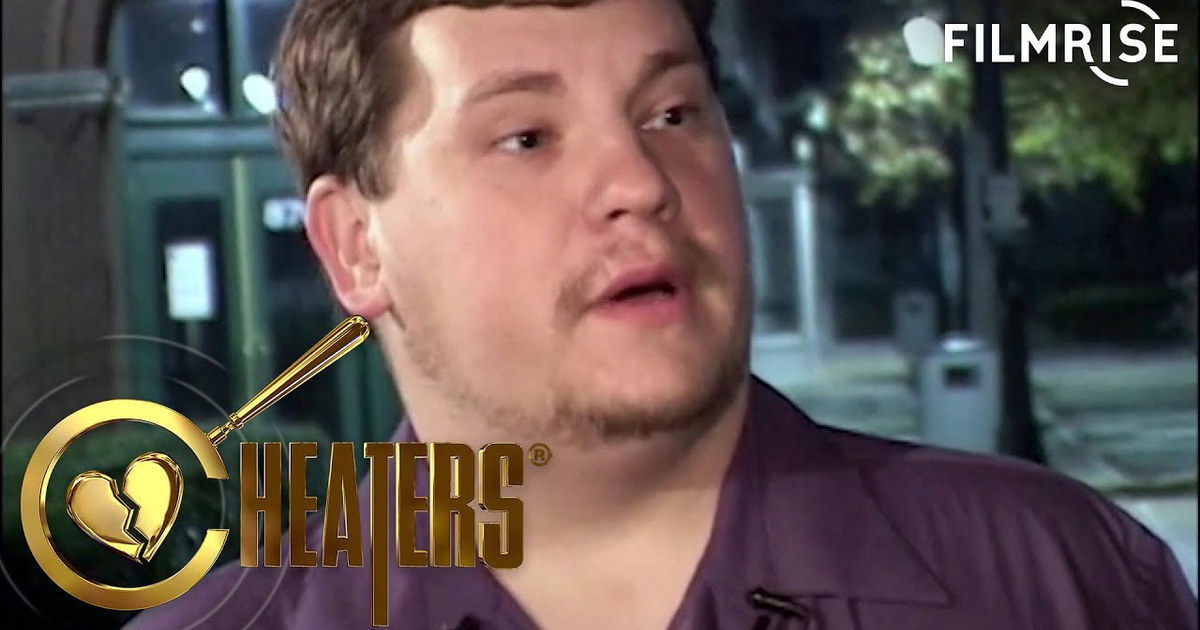
Part 1
First, Look at This: The Surveillance Camera Aesthetic
Before you meet a single cheater, before you hear a single excuse, before the inevitable parking-lot scream — look at the grain. Look at the way the frame shudders. Look at the way a Cheaters surveillance camera peers through a chain-link fence at a man in a polo shirt who has no idea he’s about to become a cautionary tale. That fuzzy, voyeuristic texture isn’t a flaw. It’s the whole point. It’s the visual language of a show that turned private investigators into prime-time stars and made “gotcha” footage feel like a public service.
Cheaters premiered in 2000 and has been lurking in late-night syndication ever since, a scrappy cousin to Cops and a spiritual ancestor to every reality show that treats a long lens as a moral compass. Created by Bobby Goldstein, the series built its reputation on a simple, brutal promise: if you think your partner is stepping out, the Cheaters Detective Agency will find out. And they’ll bring cameras. Lots of them.
The show’s opening seconds set the tone with a disclaimer that’s become weirdly iconic: “Warning: Cheaters may contain adult themes and strong language. Parents are cautioned that this program may not be suitable for children.” It’s a warning label that doubles as a tease. You’re not just watching a show; you’re being let in on something a little dangerous. The disclaimer doesn’t scare you off — it pulls you closer. It says: what you’re about to see is raw, unfiltered, and maybe a little wrong. And you’re going to watch anyway.
Then comes the claim that defines the entire franchise: “You are about to view actual true stories filmed live, documenting the pain of a spouse or lover caused by infidelity. This program is both dedicated to the faithful and presented to the false-hearted to encourage their renewal of temperance and virtue.” It’s a mission statement wrapped in a sermon. The show isn’t just entertainment — it’s a moral crusade. Or at least it wants you to think so. The phrase “filmed live” does a lot of heavy lifting. It implies immediacy, authenticity, no second takes. But reality TV has never been that simple, and Cheaters is no exception. The ethics of staging, editing, and consent have followed the show for decades. Still, that disclaimer is the foundation of its appeal: the promise that you’re watching real people, real pain, real consequences.
[AD MARKER]
The premise is as straightforward as a punch to the gut. A suspicious partner — let’s call them the client — walks into the Cheaters Detective Agency. They’ve got a story: late nights, mysterious phone calls, a sudden interest in “girls’ weekends” that don’t add up. The agency’s private eyes take the case. They wire up cameras, stake out motels, follow cars through suburban sprawl. And then, when they’ve got the goods, they bring the client to the scene for a confrontation that’s part ambush, part therapy session, and part gladiator arena.
Presiding over this circus is the host, Clark Gable. No, not that Clark Gable — the Oscar-winning star of It Happened One Night and Gone with the Wind died in 1960, long before reality TV was a twinkle in a network executive’s eye. This Clark Gable is a different breed: a deadpan everyman who introduces each segment with the same flat, almost bored cadence. “I’m Clark Gable, and this is Cheaters.” He delivers it like a weatherman reading a forecast for a hurricane. That deadpan is crucial. It grounds the show in a kind of mock-seriousness. He’s not winking at you, but he’s not weeping either. He’s the calm center of a storm of bad decisions.
Take the case of Ryan and Marilyn. Ryan Bradley believed he had conquered the hard road to a happy marriage. He was the kid who went to church every Sunday, who saw the world in black and white. Then he met Marilyn, and there was “real color” — something special. But life got in the way. She lost her job. Depression set in. Money got tight. Ryan picked up more work. And the rare weekends they had together? Marilyn started spending them with “the girls,” telling Ryan, “I don’t want you in the house.” It wasn’t a one-time thing. It happened over and over.
Ryan’s suspicions grew. He noticed something shady going on. He called the Cheaters Detective Agency. The surveillance footage they captured is classic Cheaters: grainy, shaky, shot from a distance through a car window or a bush. You see Marilyn in a parking lot. You see her with someone. The camera zooms in, the audio is muffled, and you’re suddenly a peeping tom with a moral alibi. The show wants you to feel like a detective, not a voyeur. But the line is thin.
The setup is always the same. The private eyes confirm the cheating. Then they bring the client to the location for the confrontation. Ryan’s moment comes in a parking lot, near a bench, at the base of something — the transcript is fuzzy, but the tension is clear. “She always told me she likes surprises,” Ryan says. “Let’s see how she likes this one.” It’s a line that could be from a noir film, but here it’s real life, or at least reality TV’s version of it.
The confrontation itself is the show’s bread and butter. But before the shouting, before the tears, there’s the footage. The surveillance camera aesthetic isn’t just a production choice; it’s a narrative device. It makes you complicit. You’re watching someone’s worst moment through a lens that feels illicit. The grainy image, the shaky zoom, the muffled audio — it all says: this is real, this is secret, this is something you shouldn’t be seeing. And that’s exactly why you can’t look away.


