Part 3
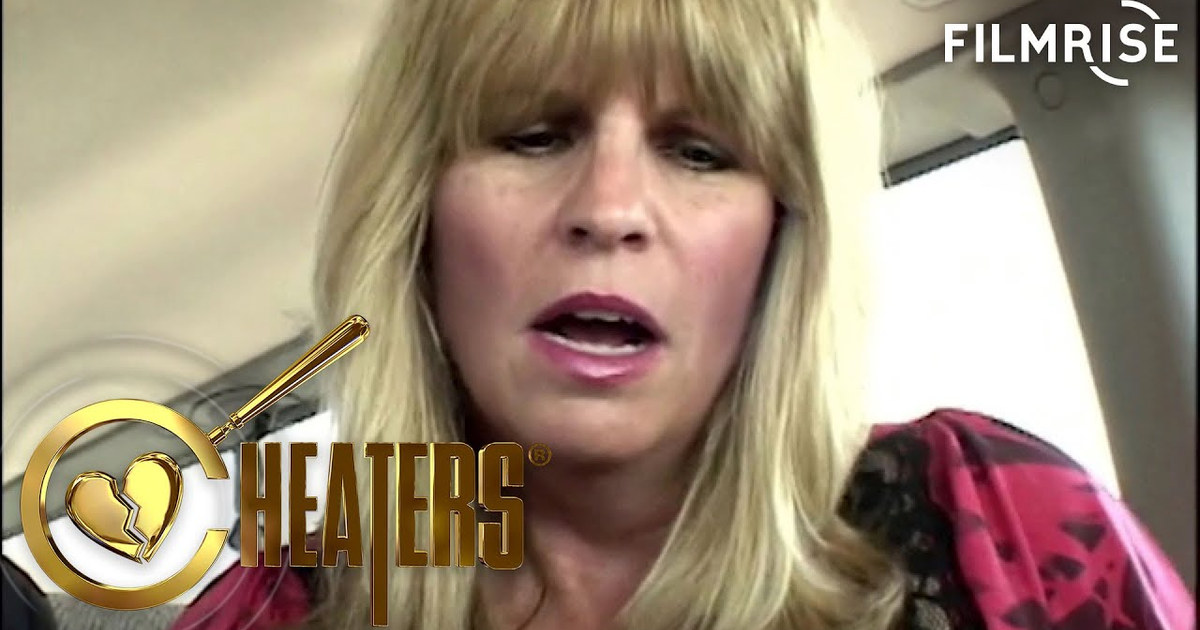
The show doesn't mock her. That's what separates Cheaters from its reputation. When Beverly speaks, the camera lingers. It doesn't cut away. It doesn't undercut her pain with a snarky voiceover. It just lets her talk. 'I'm devastated that I've had to be reduced to this,' she says. 'It hurts my heart. I feel like there's a hook in it and it's pulling me and I just can't take it anymore.' That line — 'a hook in my heart' — is more visceral than anything you'll hear in a prestige drama. It's raw. It's unpolished. And it's real.
Compare that to Marriage Story, Noah Baumbach's 2019 Netflix film. Scarlett Johansson and Adam Driver deliver career-best performances as a couple tearing each other apart. The film is beautifully shot, meticulously scripted, and emotionally devastating. It's a masterpiece. But it's fiction. Beverly Dugan isn't performing a script. She's living it. And Cheaters captures her pain with the same unflinching honesty that Baumbach brings to his characters — just without the awards campaign.
Or take Fleishman Is in Trouble, the 2022 FX limited series based on Taffy Brodesser-Akner's novel. Jesse Eisenberg and Claire Danes play a divorced couple navigating the wreckage of a marriage that fell apart in ways neither fully understood. It's sharp, insightful, and deeply human. But again, it's crafted. It's designed. Beverly's story isn't designed. It's documented. And that distinction matters more than any production budget.
The surveillance footage in Beverly's episode is brutal. Doug is seen at a fast-food restaurant making what the show calls 'grand gestures' — but not toward Beverly. He's with another woman. Later, there's a 'groupie' straddling him in a truck. The show doesn't shy away from the graphic details. It shows you everything. But here's the thing: it doesn't do it to humiliate Beverly. It does it to show you the truth she's been denied. She's been gaslit. She's been ignored. She's been left to wonder. And now, finally, she has proof. The camera doesn't leer at her reaction. It sits with her. It lets her feel it.
That's the ethical complexity the consensus ignores. Yes, Cheaters exploits pain for entertainment. There's no denying that. The show's entire premise is built on turning private devastation into public spectacle. But it also gives a voice to the betrayed. Beverly's story isn't just a cautionary tale about picking the wrong partner. It's a window into the psychology of codependency and betrayal. She felt empty. She found someone who made her feel complete. She gave everything to him. And he took it. That's not a trashy plotline. That's a case study in how love can become a trap.
The cultural context matters here. Cheaters premiered in 1997, the same year Jerry Springer's show was hitting its stride. Both shows trafficked in relationship drama, but they did it differently. Springer staged fights. He booked guests who were ready to throw chairs. He turned pain into theater. Cheaters, by contrast, documents real surveillance. The private investigators are real. The footage is real. The pain is real. That distinction doesn't make Cheaters high art, but it does make it something more than junk food. It makes it a documentary of the heart.
And Beverly Dugan is its most heartbreaking subject. She's not angry. She's not vengeful. She's just broken. 'I'm devastated that I've had to be reduced to this,' she says. That word — reduced — is the key. She's not the woman who felt complete anymore. She's the woman who had to hire a detective to find out why her partner won't talk to her. That's the real horror of Cheaters. Not the cheating. The erosion. The slow, painful process of watching someone you love become a stranger. And the show, for all its flaws, captures that with a clarity that most prestige dramas can only dream of.
[[AD]]
The Strongest Counter-Argument: Yes, It's Exploitative — But That's the Point
Let’s get one thing straight: Cheaters is exploitative. It always has been. The show profits directly from people’s worst moments — the breakdowns, the screaming matches, the ugly cry-faces caught on grainy night-vision cameras. Producers don’t just document infidelity; they orchestrate confrontations, sometimes pushing participants toward emotional detonation for the sake of a good teaser. The line between documentation and instigation is blurry at best, and anyone who’s watched more than a handful of episodes knows it.
This isn’t a fringe criticism. It’s the consensus among critics, ethicists, and even some former participants. The show has been accused of staging scenes, manufacturing drama, and manipulating vulnerable people into signing release forms they didn’t fully understand. Lawsuits have been filed. Reputations have been damaged. And through it all, Cheaters keeps airing, syndicated in over 100 countries, because the appetite for this kind of raw, unfiltered pain is insatiable.
So yes — the exploitation is real. But here’s where I break from the pack: that exploitation is precisely what makes Cheaters valuable. Not in spite of its ethical problems, but because of them. The show forces us to confront uncomfortable truths about love, trust, and the dark side of human nature that polished dramas and therapy-speak rarely touch. It’s not a guilty pleasure. It’s a necessary discomfort.
Think about it. When was the last time a scripted series made you feel the visceral, stomach-churning reality of betrayal? Not the glossy, soundtrack-swelling version — the real one. The one where a woman named Beverly Dugan opens her heart about giving a man a “hand up,” only to discover discrepancies in both his actions and his words. The one where Joey Greco, the show’s long-time host, stands in a parking lot while a couple screams at each other under flickering streetlights. That’s not entertainment. That’s a mirror.


