Part 2
Cheaters has been on the air for over 25 years. It's syndicated on Pluto TV and YouTube, where episodes rack up millions of views. That kind of longevity doesn't happen by accident. The show's low-budget look isn't a bug — it's the engine of its dread. Let's break down why.
The Three-Act Formula That Rips Off Film Noir
Every episode of Cheaters follows the same rigid structure: suspicion, investigation, confrontation. A suspicious partner comes forward. The show's private investigators tail the suspected cheater. Then host Joey Greco ambushes the couple for a screaming match in a parking lot. It's predictable. It's formulaic. And it's pure detective noir.
Think about Double Indemnity (1944), directed by Billy Wilder. A man gets lured into a murder plot by a femme fatale. The film runs 107 minutes, and every beat is driven by suspicion and betrayal. Or The Killing (1956), Stanley Kubrick's heist film. It's 85 minutes of tension, following a plan that's doomed from the start. Cheaters does the same thing, but with real people and no script. The suspicion is real. The investigation is real. The confrontation is real. That's what makes it terrifying.
In noir, the detective is often morally compromised. He's drawn into a world he can't control. In Cheaters, the audience becomes that detective. We watch the surveillance footage. We hear the voiceover. We know what's coming. And we can't stop it. That's not trash TV. That's classic noir structure, repackaged for the reality era.
The show's host, Joey Greco, is the key. He's not just a narrator. He's a character. He walks us through the underworld of infidelity with a deadpan delivery that's part tour guide, part grim reaper. His moralizing tone — 'this program is both dedicated to the faithful and presented to the false-hearted' — sounds like it was ripped from a 1940s crime serial. It's dark comedy, but it's also world-building. Greco makes the show feel like a descent into a moral abyss. And when the confrontation finally happens, the shift from his calm voice to raw screaming is jarring. That's the point.
The surveillance footage is the show's secret weapon. It's shaky. It's voyeuristic. It puts you in the position of the private eye — complicit, uncomfortable, unable to look away. This is the same technique that made The Blair Witch Project (1999) so effective. Directors Daniel Myrick and Eduardo Sánchez used handheld cameras to make audiences feel like they were lost in the woods. Paranormal Activity (2007), directed by Oren Peli, did the same thing with a home video camera. Both films run under 90 minutes, and both rely on the illusion of found footage to create dread. Cheaters does it with real people. The effect is the same: you feel like you're intruding on something you shouldn't see.
[[AD]]
Take the Wickheiser case. The agents track Doug to his band's rehearsal studio. Then to a fast-food restaurant. Then back to the parking lot, where he and his date 'attempt to see just how roomy a king-sized cab can be.' The narration is clinical. The footage is raw. The contrast creates a sense of inevitability. You know what's coming. You know it's going to be ugly. And you can't look away. That's not bad production. That's horror craftsmanship.
The show's longevity proves it. Over 25 years on air. Syndicated on Pluto TV and YouTube. Episodes rack up millions of views. If Cheaters were just trash, it would have faded away. Instead, it's a cultural institution. The low-budget aesthetic isn't a limitation — it's a signature. It's what makes the show feel real. And that's what makes it scary.
So no, Cheaters isn't poorly made. It's made exactly the way it needs to be. The grainy footage, the dramatic voiceover, the cheesy reenactments — they're all part of a machine designed to make you feel like you're watching a nightmare unfold in real time. And it works. Every single time.
The Real Horror Is Not the Cheating — It's the Emotional Devastation
[[VIDEO]]
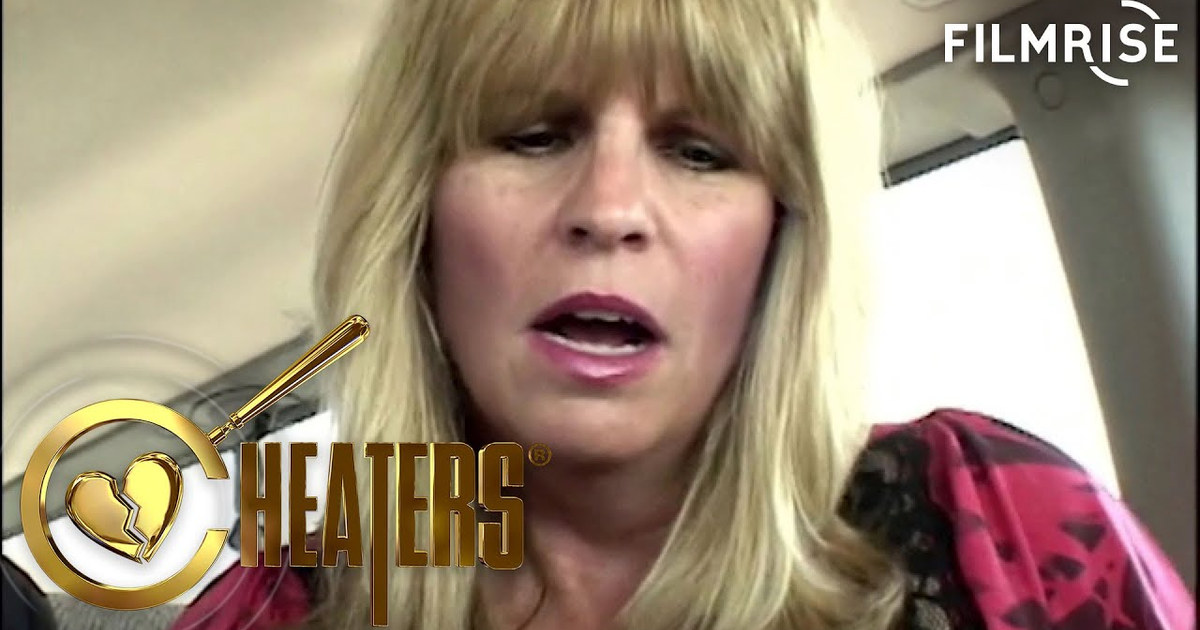
Everyone thinks Cheaters is about the gotcha. The hidden camera. The dramatic confrontation. The moment a cheater gets caught red-handed and the host, Joey Greco, swoops in to deliver justice. That's the consensus. And I get why. The show's most viral moments are the ambushes, the screaming matches, the occasional fistfight. But if that's all you see, you're missing the point. The real horror of Cheaters isn't the cheating. It's the emotional wreckage left behind. And no episode captures that better than Beverly Dugan's.
Beverly isn't a scorned woman looking for revenge. She's a woman who thought she'd finally found her person. When she met Doug, he was at rock bottom. He'd been through a messy divorce, partied hard, drank, got high, stayed out all night. Then a motorcycle accident took his hearing. He was lost. And Beverly? She was lost too. 'Even though there were accomplishments that I had achieved, I was still empty inside,' she says. 'And when I found him, I felt that I was complete.' That's not trashy TV. That's a human being describing the exact moment she handed her wholeness to someone else.
That's the part the consensus skips over. We laugh at the surveillance footage, we roll our eyes at the reenactments, we treat Cheaters like a punchline. But Beverly's story isn't a punchline. It's a slow-motion tragedy. She helped Doug through his divorce. She stood by him after the accident. She supported him through addiction. She gave him a hand up. And now she's sitting in a detective's office because he won't talk to her. He won't communicate. He's not coming home like he used to. He's making excuses about work. She found a cell phone in his car. And she's so desperate for answers that she hired a private investigator. That's not entertainment. That's devastation.


