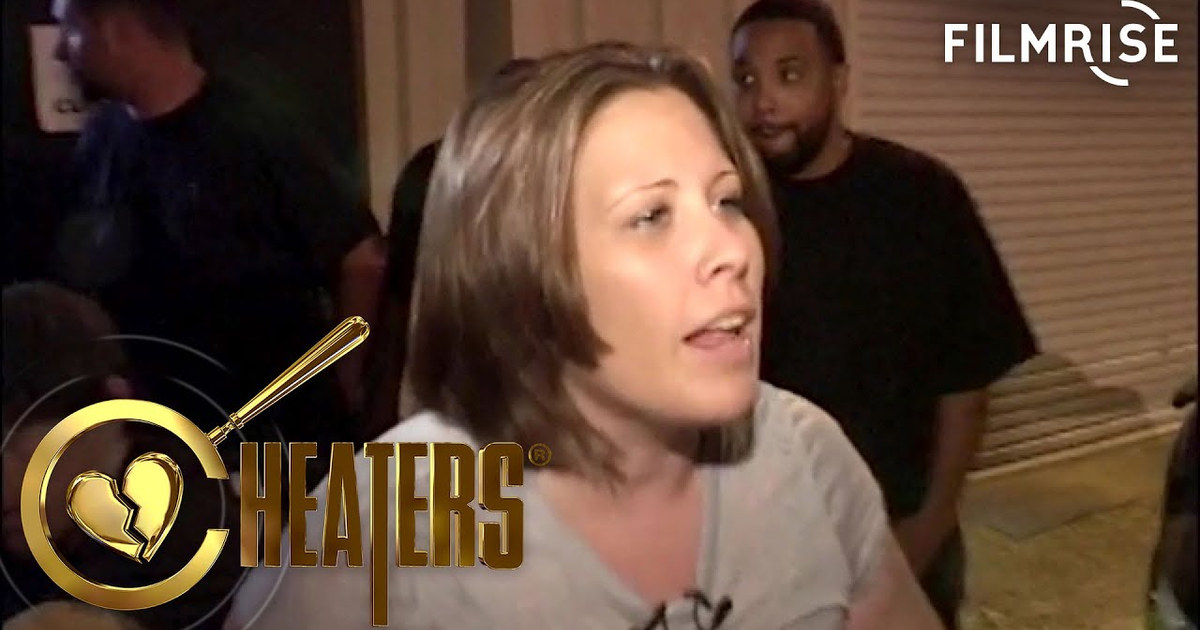
Part 5
The horse corral and the rodeo are not punchlines. They're the setting for a real betrayal. The beer handed over at the stable gate — that's the detail that cracks the case. Thelma doesn't need a DNA test. She doesn't need a PI. She needs to know what her husband drinks. And she does. That's the kind of local knowledge that detectives rely on. It's the same reason a patrol officer notices when something is out of place on their beat. Thelma's beat is her husband's truck. And she knows its baseline. So when she sees a Budweiser can instead of a Bud Light bottle, she knows something is wrong. That's not a joke about beer brands. That's the same forensic instinct that solves crimes. It's just happening in a truck in a driveway instead of a lab.
So let's bring it back to the central claim. The Budweiser line isn't a punchline. It's the strongest single piece of reasoning in the episode. Thelma Gosling, under emotional duress, with a newborn in her arms, performed a deduction that would make a detective proud. She noticed a foreign object. She compared it to a known pattern. She inferred a third party. That's not something to laugh at. That's something to respect. And I'm not claiming Cheaters is politically pure. I'm not claiming the show has clean hands. The show has a history of exploiting its subjects for ratings. It has been accused — fairly — of classism. But in this specific episode, the camera's gaze is not mocking Thelma. It's listening. The classism comes from the audience that reduces her testimony to a beer joke. The show gave her space to speak. We're the ones who turned it into a meme.
That's the contrarian move here: defending the audience and the subjects simultaneously. You don't have to be a fan of Cheaters to see that Thelma Gosling is not a clown. You don't have to endorse the show's ethics to recognize that the scene everyone quotes as a laugh line is actually a masterclass in everyday deduction. The consensus says the Budweiser can is the punchline. But a punchline requires a setup and a laugh. What we have here is a setup and an inference. The setup: Thelma knows her husband's drink. The inference: the can doesn't match, so someone else was there. There's no joke. There's just a woman solving a puzzle with the only clues she has. And if you can't see that, maybe the problem isn't with her reasoning. Maybe it's with your reading.
Now, the strongest counter-argument. Maybe the show is still exploitative. Maybe Thelma didn't fully understand what she was signing up for when she agreed to be filmed. Maybe the editing, in other episodes, does undercut its subjects in ways that this one episode doesn't. That's a fair critique. Cheaters has a long track record of turning pain into spectacle. And I'm not here to pretend otherwise. But the specific scene everyone quotes as the moment to laugh at is actually the moment where Thelma is at her sharpest. She's not crying. She's thinking. She's not pleading. She's deducing. And if we can't see that, then the classism we're worried about isn't just in the show. It's in us. The show may be guilty of many things. But it's not guilty of making Thelma Gosling look stupid. That was our doing.
Next up, the third consensus piece: that the reveal is the point, and that the reveal is what makes the show exploitative. I'm going to argue that the reveal is not the point. The horse ranch is the point. And the horse ranch — like the Budweiser can — is not a punchline. It's a place where people work, live, and betray each other. And the show, for all its sins, is at least honest about that. But we'll get to that. For now, just remember: Thelma Gosling wasn't a joke. She was a detective. And she cracked the case with a beer can.
The Consensus: "The Reveal Is the Point, and That's the Exploitation" — Actually, the Horse Ranch Is the Point
Here's the third charge, and it's the one that actually stings. Nobody tunes into Cheaters for the detective work. They tune in for the ambush — the screaming, the sprint across the parking lot, the moment Joey Greco materializes from behind a parked car like a process server with a camera crew and a legal waiver. And if the ambush is the product, then the show is a machine that eats a human being's worst ten minutes and sells them back to us as a Tuesday night snack.
I want to be clear about something before I take a swing at this. Of the three objections I've been working through, this one carries the most weight. It doesn't quibble about authenticity or class signaling. It goes straight for the show's soul. It says: whatever craft is in here, the craft exists to deliver a specific moment of human wreckage, and that makes the craft the problem, not the defense.
That's a serious argument, made by serious people, and I'm not going to pretend it's stupid. I'm just going to tell you it's aimed at the wrong ten minutes.
Because in the Thelma Gosling episode — the one people clip, the one that circulates every few years and drags a new generation into the archive — the ambush is not the peak. The peak is Investigation Day 5. And if you watch Day 5 with your guard down, what you're looking at is not a reality show payoff. It's a shot list.


