Part 6
So who is this really for? The faithful? If it were for the faithful, it would end with reconciliation. It would end with therapy, or a long conversation, or a second chance. The false-hearted? If it were for the false-hearted, it would be a deterrent. It would be a warning. Instead, it ends with a raised voice, a chase, a door thrown open. It ends with a scene. It is for the camera. It is for the ad break. It is for the next episode.
Joey Greco and the Ritual of the Hallway
Enter Joey Greco, host of Cheaters from 2002 into the 2010s. He is not a detective. He is not a therapist. He is a ritualist. He stands in for the audience's need for a judge. He reads the surveillance footage. He opens the door. He says the name. The confrontation is the verdict. The hallway is the courtroom. The parking lot is the gallows. The show does not need a guilty party. It needs a reaction.
That ritual is the engine. The surveillance is the evidence. The host is the judge. The camera is the jury. The audience is the gallery. And the accused is not really on trial. The relationship is. The show puts the relationship on trial and then refuses to deliver a sentence. It delivers a clip. It delivers a moment. It delivers a teaser for what comes after the break.
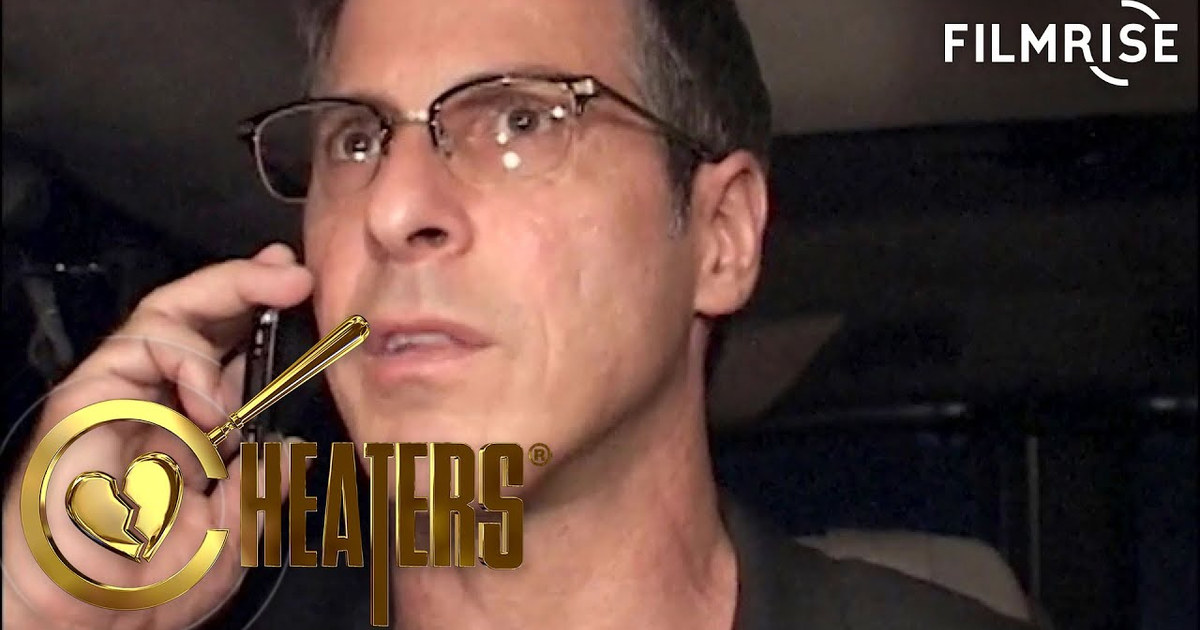
Brian's segment, cut off in our source, is built to end in that room. We have Sebastian Asner. He noticed the distance. He noticed the changed lock code. He noticed the hickeys on Brian's neck. He called Cheaters. The show is built to end in the hallway, with Joey Greco, with the door, with the confrontation. The destination is the point. We do not need to know whether Brian cheated. We need to know that the camera will be there when the question is asked.
That is the crucial distinction. The show is not a documentary about infidelity. It is a documentary about the moment infidelity is confronted. The Jinx (2015, dir. Andrew Jarecki) showed how a camera can become a character in its own story. Capturing the Friedmans (2003, dir. Andrew Jarecki, 107 min) showed how a family can perform for a lens. Cheaters does not uncover. It stages. The difference matters because the staging is the product.
The title sequence says you are about to view actual true stories filmed live documenting the pain of a spouse or lover caused by infidelity. That is a claim of documentary. But the pain is not just documented. It is produced. The camera arrives before the pain is resolved. It creates the conditions for the pain to become performance. The show does not capture the wound. It opens the wound on camera.
[[AD]]
And yet the show's moral sentence insists this is virtuous. It insists the false-hearted are being encouraged to renew temperance. It insists the faithful are being served. But the faithful are also being counted. Every viewer is a unit. Every tear is a segment. Every confrontation is a teaser. The moral sentence is the wrapper. The product is the reaction.
The Economy of Suspicion
The business is not just the broadcast. It is syndication. Cheaters went into syndication and stayed there. It is the detective-agency tie-in: Cheaters Detective Agency, private eyes on Cheaters. The show is an ad for the service. The service is an ad for the show. The loop is closed. The moral sentence is the ribbon around the box. The box is full of suspicion.
Then there is the streaming afterlife. Tubi. Pluto TV. YouTube. The upload this piece is based on sits in a playlist at index 13. There are always more episodes. The faithful being served are also the ones being counted. The archive is a machine for suspicion. It never runs out. Because there are always more people who suspect. There are always more Sebastian and Brian stories. There are always more hallways.
This is the economy around the ethics. The show can claim virtue because the market rewards volume. The more episodes, the more ad impressions. The more ad impressions, the more syndication. The more syndication, the more streaming. The more streaming, the more the moral sentence sounds like a brand promise. Renewal of temperance and virtue is not a goal. It is a slogan. It is the thing you say before you sell the next block.
Consider the structure of each episode. It begins with suspicion. It moves to surveillance. It ends with confrontation. The resolution is not resolution. It is a cliffhanger for the next episode. The show never wants the faithful to be secure. It wants them to be anxious. Anxiety is the engine. Suspicion is the fuel. The camera is the spark.
The show's cultural cousins know this. The Truman Show (1998, dir. Peter Weir, 103 min) imagined a life as a broadcast. Videodrome (1983, dir. David Cronenberg, 87 min) imagined media as flesh. Tiger King (2020, Netflix) turned a private feud into a streaming event. Cheaters is the low-budget, syndicated version of that idea. It did not invent surveillance as entertainment. It perfected the assembly line.
The difference is that Cheaters never pretends to be art. It is product. It is honest about its dishonesty. The warning card is honest. The moral sentence is not. That is the tension. The show is honest about sex and language. It is dishonest about virtue. It says it wants renewal. It wants ratings. It says it wants temperance. It wants watch time.


