Part 7
The Human Core: KJ Quinn and the Face We Owe the Frame
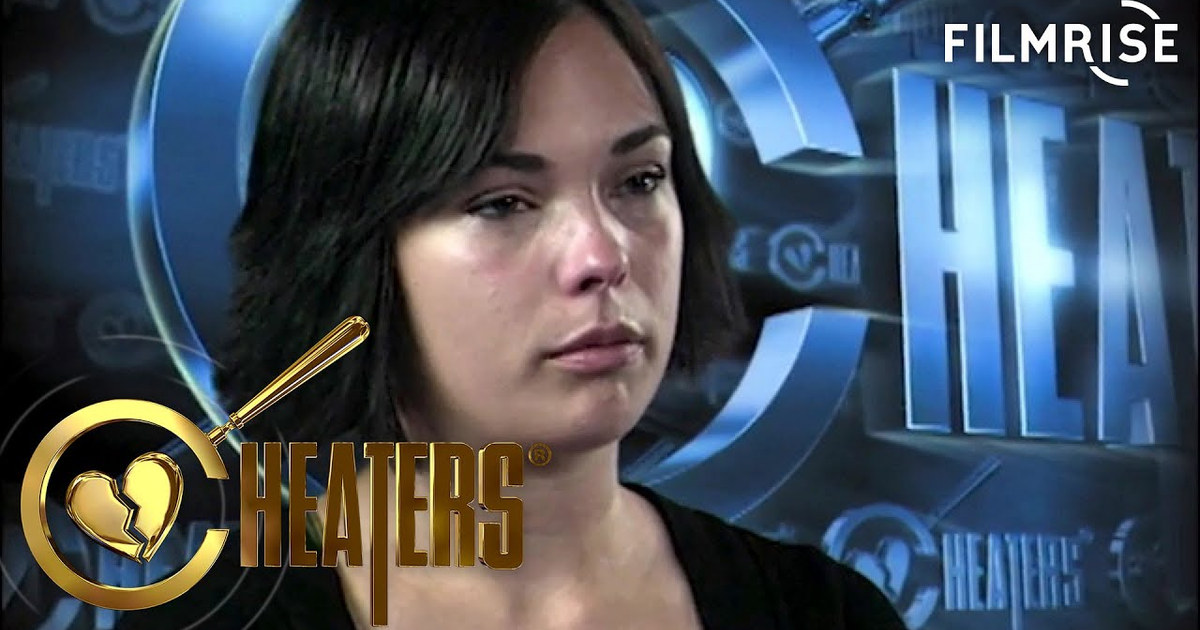
Don't lose KJ Quinn in all this. She lost her job. She said her husband was supportive at first and promised they would find a way through it. She went back to waiting tables because she'd done it before and she could push through it. Then she watched his mood and demeanor change about a month earlier. She noticed he started shaving every day before work instead of every other day. She absorbed the anger about the house, the accusation that she wasn't pulling her weight. She tried to rub his shoulders. She said it was like she was non-existent. And she ended with: 'I want him back... it'll destroy me to lose him.'
That's the emotional spine of this entire section. That's why the technical argument matters at all. If the camera is just a long lens and a zoom, then KJ is just content. If the camera is an ethical instrument, then KJ is the person the frame owes something to. The show's disclaimer card is not enough. The mission line is not enough. The reverse angle is where the show either pays its debt or defaults.
Here's the cinematographer's verdict: the reverse angle is where the ethics live. Who gets the reaction shot, and who only ever gets the long lens. The accused gets the compressed frame. The accused gets the smear of the zoom. The accused gets the parking-lot sodium vapor and the auto-iris pump. The client gets the close-up. The client gets the normal lens. The client gets the frame that treats a face like a face and not like a target. That choice, more than any disclaimer card, is the show's actual moral position.
Watch what happens after the confrontation. The show could cut to the accused walking away. It could cut to the host delivering a verdict. But the strongest episodes cut to KJ. Her face is the one shot the show treats tenderly. It's the one frame that isn't trying to prove anything. It's just trying to hold her. If Cheaters owes anything to its own disclaimer, it owes that cut. The 'renewal of temperance and virtue' isn't for the false-hearted. It's for the faithful. The faithful is KJ. The camera knows it.
What to Watch For
On a rewatch, track three things. First, the doorway framing in the hotel sequence. The doorway becomes a frame within a frame. It boxes the couple before the confrontation. It keeps the camera observational. Then the operator crosses the threshold, and the frame stops being a doorway and becomes a witness stand. That's the visual moment the show changes its mind about what it's doing.
Second, the auto-iris pump on the bar exterior. Watch the exposure hunt as subjects move from the bar's interior light to the dark parking lot. The image breathes in and out. It's the look of a consumer camcorder, not a cinema camera. That pump is the show's proof aesthetic in miniature. It says: this is not a set. This is a stakeout. This is what it looks like when the truth is underexposed.
Third, the cut to KJ's face after the confrontation. If that cut lands, the show earned its disclaimer. If it doesn't, the show is just noise. That's the test. The reverse angle is the moral position. The disclaimer card is the promise. KJ's face is the payment.
Cheaters is a case study in how limitation becomes style. A syndicated budget, a prosumer camera, a long zoom, a warning card, and a mission statement. All of it should be a mess. Instead, it became the rulebook for true-crime cinematography. Next time, we take the same lens to another franchise in this playlist — the confrontation formats that copied this grammar and lost the discipline. Watch for how they frame the client. Watch for who gets the long lens and who gets the close-up. If the client's face disappears, the disclaimer is just a card. If it stays, the show has a soul.


