Part 6
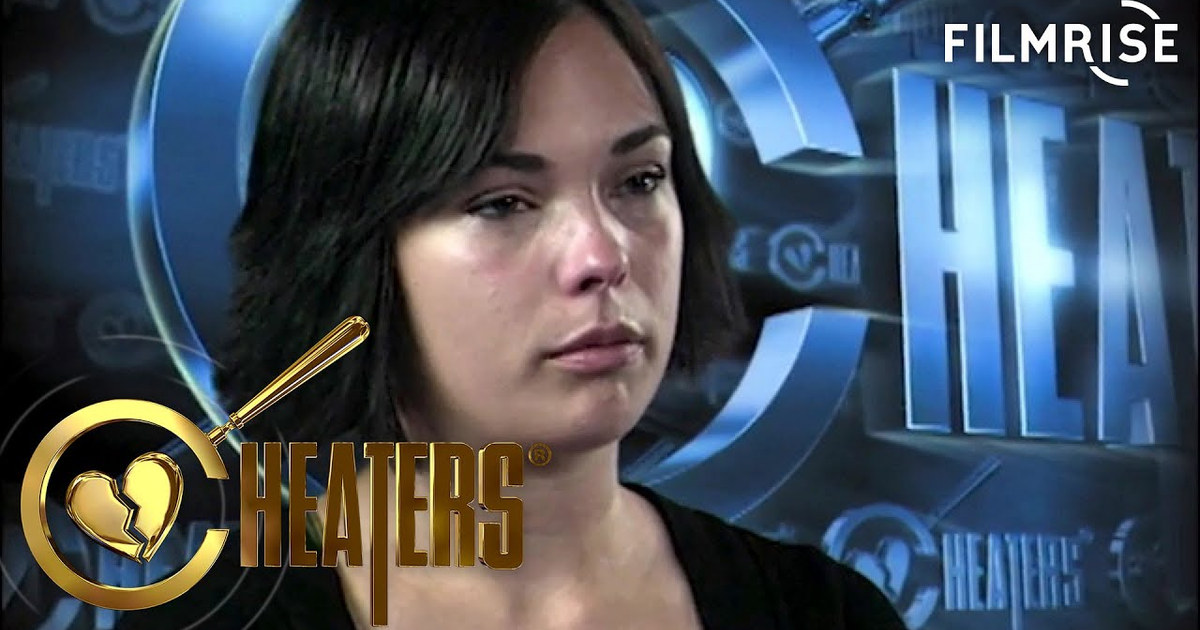
But the mission line goes further. The show declares itself 'dedicated to the faithful and presented to the false-hearted, to encourage their renewal of temperance and virtue.' Read that again. No other reality franchise states its moral position this plainly. Not The Real World. Not Jersey Shore. Not any of the confrontation formats that copied this grammar and lost the discipline. Cheaters tells you it is on the side of the faithful. It tells you the false-hearted are the audience too. And then it sends a camera crew to a bench to prove it.
The Syndicated Engine Room: Bobby Goldstein, Tommy Grand, Joey Greco
Background to verify: Cheaters is widely credited to creator Bobby Goldstein and launched in syndication in 2000, with Tommy Grand as the original host. Joey Greco took over as host from 2002 and delivered the line 'I'm Joey Greco, and this is Cheaters.' Treat those production details as research direction for the writer, not as facts the transcript itself supports. What the transcript does support is the visual result. The show looks the way it looks because it was built for syndication, sold market by market, without a network standards department riding the edit.
That business model matters more than any single lens choice. A syndicated show has to clear stations one by one. It has to survive local news lead-ins. It has to be cheap enough to make a profit in a 2 a.m. slot and loud enough to keep you from changing the channel. The result is a visual grammar built on limitation: prosumer DV, gain cranked high, auto-iris hunting, long zoom lenses, and a camera operator who has to get the shot in one take because there's no budget for another pass. Limitation becomes style. Style becomes proof.
When you're shooting with that kind of rig, you don't get the luxury of a cinema lens with a smooth focus throw. You get a zoom that breathes. You get exposure that pumps when the subject walks from sodium vapor into darkness. You get grain that looks like evidence because it is grain. The show's look is not a bug. It's the entire evidentiary argument. This footage feels real because it looks like the footage you'd shoot yourself if your marriage was falling apart and you borrowed a camcorder from a friend.
And that's why the disclaimer card is doing more than covering legal exposure. It's the show's contract with the viewer. It says: we are going to show you adult themes and strong language, and we are not going to pretend we're above it. The mission line then says: we are doing this for the faithful, and we are presenting it to the false-hearted to encourage their renewal of temperance and virtue. No other reality franchise states its moral position this plainly. That declaration is the reason the confrontation format survives scrutiny better than its imitators. The imitators pretend to be neutral. Cheaters never does.
The Genre Cousin: To Catch a Predator and the Trap Camera
Research direction for the writer: the closest genre cousin is To Catch a Predator, the Dateline NBC segment that ran from 2004 to 2007 with Chris Hansen. That was the network-budget version of the same instinct: the camera as trap. Hidden cameras, long lenses, a control room, a host who walks out from behind a wall. The legal and ethical reckoning that followed that format is well documented, but it's outside the transcript. Mark it as background to verify, not as asserted fact. What matters here is the structural difference.
Cheaters is framed as a private detective agency servicing a wronged spouse. That framing is its legal and ethical shield. The show isn't pretending to be law enforcement. It isn't working with police. It's working for KJ Quinn, who lost her job and wants to know why her husband's mood changed. That private-investigator frame gives the camera a different permission slip. It's not a sting. It's a service. Whether that distinction holds up outside the show is a question for the writer to research. Inside the show, it's the reason the confrontation format keeps surviving scrutiny better than its network cousin.
The fictional inversions sharpen the question. The Blair Witch Project, 1999, directed by Daniel Myrick and Eduardo Sánchez, runs 81 minutes and borrowed the exact DV-grain vocabulary for horror. That film understood something Cheaters accidentally proved: if the image looks cheap enough, the audience will believe the fear is real. The same low-light noise, the same auto-iris lag, the same harsh on-camera light. Blair Witch used it to make you afraid of the woods. Cheaters used it to make you afraid of the parking lot.
Nightcrawler, 2014, directed by Dan Gilroy and shot by Robert Elswit, runs 117 minutes and shows what the same camera position looks like when nobody is pretending to be on the side of the faithful. Jake Gyllenhaal's Lou Bloom is the logical endpoint of the long-lens confrontation. He doesn't care about the truth. He cares about the shot. He moves the frame into position and lets the event happen. When you watch Nightcrawler, you're watching the ethics of Cheaters stripped of the disclaimer card. It's the same grammar with no mission statement.
That's the question the bench forces: when does a frame observe, and when does it prosecute? The Blair Witch Project observes until the camera becomes a character. Nightcrawler prosecutes because the camera is a business. Cheaters sits between them. The disclaimer says it's observing. The confrontation says it's prosecuting. The reverse angle is where the truth lives.


