Part 2
The genre fan knows that a good shutdown is satisfying. The craft enthusiast knows that a good shutdown is also a failure — a failure of the interviewer to do their job properly. The genre fan wants to see the movie star win. The craft enthusiast wants to understand why the game was rigged in the first place. And the best way to understand a rigged game is to watch it from both sides of the table.
In the next section, we will look at the art of the shutdown itself. We will break down the mechanics — the pause, the tone shift, the refusal to engage. We will look at Tom Hardy's 2015 interview in detail, and we will ask what makes a shutdown effective. Is it anger? Is it calm? Is it a single word? The genre fan will enjoy the highlights. The craft enthusiast will enjoy the blueprints. And if you are both, you will enjoy both.
Because that is the thing about interviews. They are not just conversations. They are systems. And like any system, they can be understood, debugged, and — occasionally — crashed. The genre fan watches the crash. The craft enthusiast reads the logs. And the best analysts do both.
[[AD]]
Genre Craft: The Art of the Shut-Down
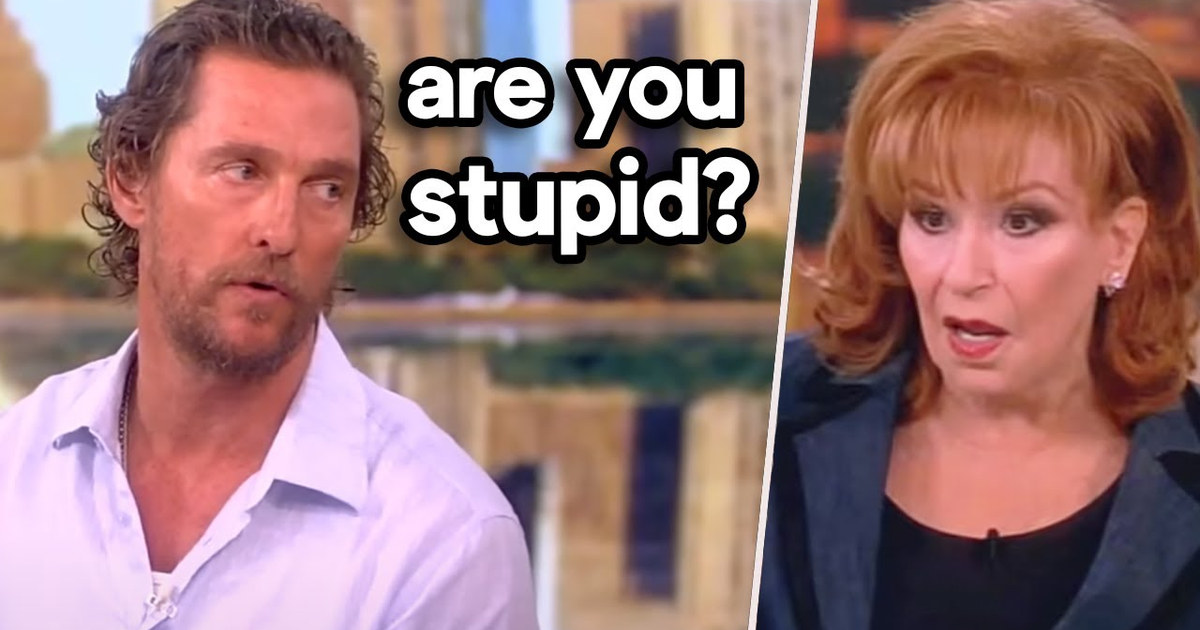
Let’s be honest: a celebrity shutting down a rude interviewer is its own genre. It’s a subgenre of the press junket, a blood sport played on red carpets and daytime sofas. If you’re here for the genre, you want the moment the temperature drops, the smile vanishes, and the star says, 'No.' If you’re here for the craft, you want to know *why* it works — the timing, the tone, the body language. The engineering of the shutdown. Both audiences can be satisfied, because a great shutdown is a piece of performance art with a clear API: input, boundary, output.
Take Tom Hardy in 2015. He’s promoting *Legend* (2015, directed by Brian Helgeland, 131 minutes), playing the Kray twins. A reporter asks about his sexuality, framing it as a question about celebrities talking about their sexuality. Hardy’s response is a masterclass in minimal viable shutdown. 'What on earth are you on about?' he says, face a mask of polite confusion. Then he makes the reporter repeat the question. 'Are you asking me about my sexuality?' The reporter says, 'Sure.' Hardy: 'Why? Why? Thank you. Okay.' He doesn’t yell. He doesn’t storm off. He simply refuses to engage, and in doing so, he makes the question itself the story. The clip went viral because it’s satisfying — genre fans get the takedown. Craft enthusiasts get the timing: Hardy waits, lets the reporter hang himself, then pulls the plug.
Anne Hathaway’s shutdowns are a different flavor. In 2012, during the *Les Misérables* press tour (dir. Tom Hooper, 158 minutes), she was asked about her weight loss for the role of Fantine. She’d already spoken about it, but the interviewer pushed. Hathaway, with a tight smile, said, 'I’m not going to talk about that.' It’s a clean boundary. No drama, just a wall. Genre fans might find it less explosive than Hardy’s, but craft enthusiasts appreciate the efficiency. She doesn’t give them a soundbite about her body; she gives them a soundbite about boundaries. That’s the engineering: you can’t control the question, but you can control the response.
[[VIDEO]]
Then there’s Gordon Ramsay. He’s not an actor, but he’s a television personality, and his shutdowns are legendary. In 2017, on *The Nightly Show* with Davina McCall, he was asked about his wife’s miscarriage. He shut it down instantly: 'I’m not going to talk about that.' No hesitation. The genre fan gets the vicarious thrill of a celebrity refusing to be a spectacle. The craft enthusiast sees the pre-emptive strike: Ramsay knows the question is coming, and he doesn’t let it land. It’s like a firewall dropping packets. No response, no story.
Now, compare effective versus ineffective. Michael B. Jordan in 2018, promoting *Black Panther* (dir. Ryan Coogler, 134 minutes). He was asked about his dating life. He laughed it off, gave a non-answer, and moved on. It’s effective because it doesn’t escalate. He doesn’t give the interviewer a moment to clip. Jonah Hill, on the other hand, has had some ineffective shutdowns. In 2016, during the *War Dogs* press tour (dir. Todd Phillips, 114 minutes), he was asked about his weight. He tried to shut it down, but his frustration was visible. 'Can you just ask a normal question?' he said. It’s relatable, but it’s not clean. The genre fan gets the raw emotion; the craft enthusiast sees the leak. The interviewer got the reaction they wanted.
So what separates a good shutdown from a bad one? Timing. Tone. Body language. Tom Hardy’s timing is impeccable: he waits until the question is fully formed, then dismantles it. His tone is calm, almost bored. His body language is still. He doesn’t lean in or pull back. He’s a statue. Anne Hathaway’s tone is polite but firm. Her body language is closed but not aggressive. Gordon Ramsay’s timing is immediate. His tone is flat. His body language is a shrug. Michael B. Jordan’s timing is deflective. His tone is light. His body language is open. Jonah Hill’s timing is reactive. His tone is frustrated. His body language is tense. The effective ones control the frame. The ineffective ones let the interviewer control it.


