Part 1
The Two Audiences: Genre Fans and Craft Enthusiasts
There are two kinds of people who watch a celebrity interview go off the rails. The first is the genre fan. They are here for the drama — the raised eyebrow, the clipped tone, the moment a movie star decides they have had enough. They replay the clip, share it, and move on. The second is the craft enthusiast. They are watching the same clip but asking different questions: Where did the interviewer lose control? What was the power dynamic? How does a publicist's strategy collapse in real time? Both audiences are valid. Both are watching the same train wreck. But they are seeing entirely different films.
I write code for a living, and I have learned that every system has two layers: the interface and the implementation. The interface is what you see — the buttons, the colors, the drama. The implementation is the logic underneath — the loops, the conditionals, the decisions that make the interface behave the way it does. Celebrity interviews are no different. The genre fan watches the interface. The craft enthusiast debugs the implementation. And when an interview goes wrong, both layers are exposed at once.
Take Tom Hardy in 2015. He was promoting the film Legend, in which he played both Ronnie and Reggie Kray. The interviewer, during a press junket, asked Hardy about his sexuality. Hardy's response — “What on earth are you on about?” — became an instant viral moment. The genre fan sees a movie star shutting down a rude question. The craft enthusiast sees a masterclass in boundary-setting under pressure. Hardy did not storm off. He did not raise his voice. He simply refused to accept the premise of the question. That is not just drama. That is technique.
Now rewind to 2007. Lindsay Lohan appeared on The Late Show with David Letterman to promote her film Georgia Rule. She was 20 years old. Letterman spent the interview asking about her recent stint in rehab. “Aren't you supposed to be in rehab now?” he asked. Lohan's voice shook. She was on the verge of tears. The genre fan watches that clip and feels uncomfortable. The craft enthusiast watches it and sees a failure of editorial judgment — a host prioritizing a laugh over a guest's well-being. Both reactions are correct. But they are not the same reaction.
This is the tension I want to explore. Not to decide which audience is right, but to show that the best analysis comes from holding both perspectives at once. The genre fan understands why the clip spreads. The craft enthusiast understands why the clip matters. And when you combine them, you get something closer to the truth.
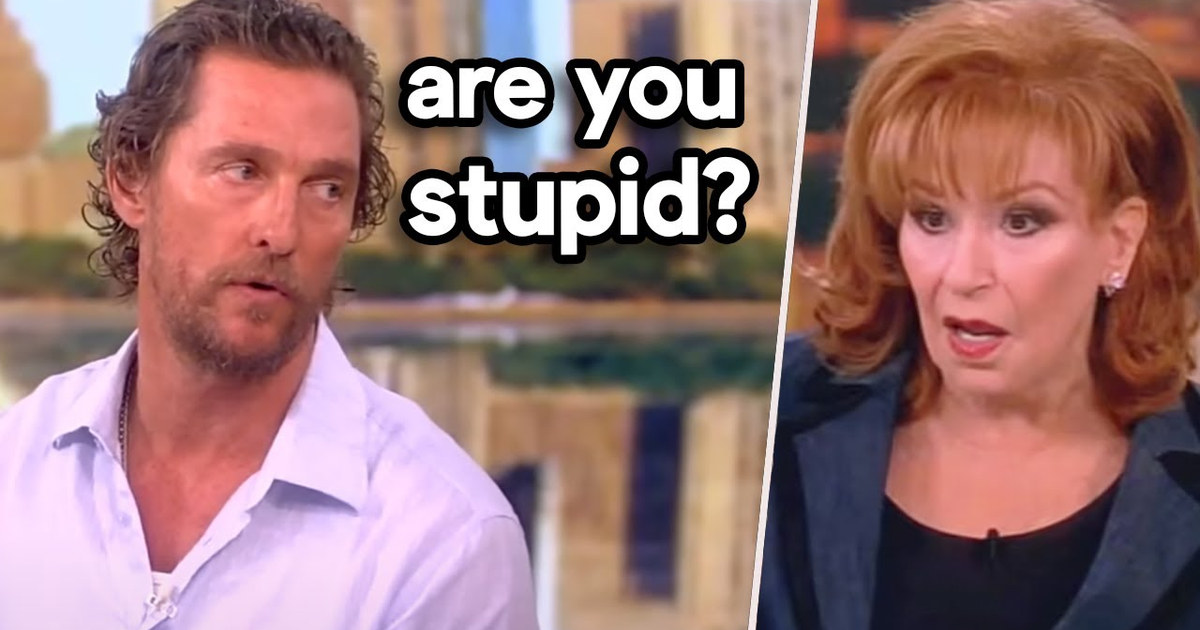
Consider Matthew McConaughey's 2021 appearance on The View. He was there to promote his book Greenlights. Joy Behar interrupted him to ask about his friendship with tennis champion Novak Djokovic, whom she called an anti-vaxxer. McConaughey's face tightened. The genre fan sees a movie star getting annoyed. The craft enthusiast sees a host injecting a political landmine into a promotional interview. The genre fan remembers the moment. The craft enthusiast remembers the strategy — or lack thereof.
Or take Tom Cruise in 2005. He was promoting War of the Worlds. An interviewer asked about his divorce from Nicole Kidman. “Was Nicole the love of your life?” Cruise's response — “You're stepping over a line now” — is a textbook example of a boundary being drawn in real time. The genre fan sees Cruise being intense. The craft enthusiast sees Cruise being precise. He did not answer the question. He did not deflect. He named the violation and demanded accountability. That is not just a movie star being difficult. That is a person who understands the rules of the game and refuses to play by them.
And then there is Jonah Hill. In 2018, during a press tour for his directorial debut Mid90s, an interviewer asked him about his weight. “Do you think it's important to be unattractive to be funny?” Hill's response — “Can you just ask a normal question?” — was both a shutdown and a plea. The genre fan sees Hill calling out a lazy interviewer. The craft enthusiast sees a pattern: interviewers who mistake personal questions for journalistic ones. Hill's weight has been a punchline for years. He has been open about how much it affected him. The genre fan sees the joke. The craft enthusiast sees the damage.
Christina Hendricks faced the same issue. In a 2010 interview, a host called her “a full-figured woman” and asked her to share an inspiring story. Hendricks shut it down. When the host tried again, she said, “You just said it again.” That is not just a celebrity being prickly. That is a person recognizing a pattern and refusing to participate in it. The genre fan sees the awkwardness. The craft enthusiast sees the repetition — the same question, the same framing, the same reduction of a person to a body part.
So here is the structure I want to follow. I will alternate between these two lenses. Some sections will lean into the genre craft — the art of the shutdown, the timing, the delivery, the way a single sentence can end an interview. Other sections will lean into pure craft — the interviewer's role, the ethics of the press junket, the difference between a hard question and a cruel one. Neither lens is superior. Both are necessary.


