Part 3
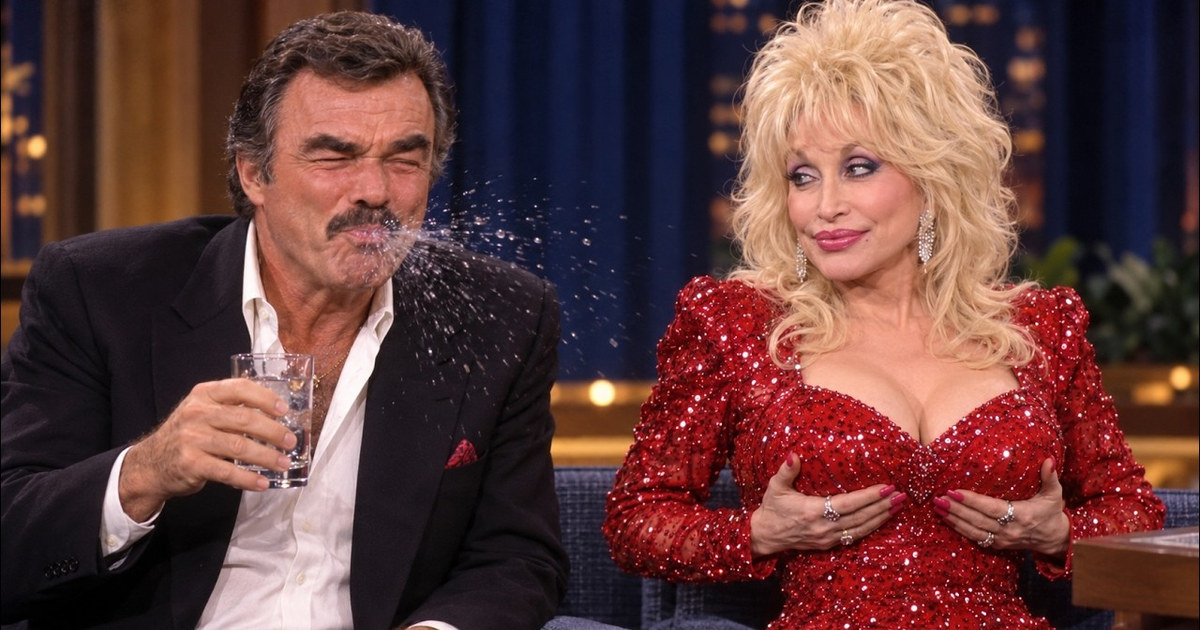
And that armor has served her well. In a business that often demands conformity, Dolly has remained unapologetically herself. She’s never punched down. Her humor isn’t mean-spirited; it’s inclusive. When she makes a joke about her breasts, she’s not mocking anyone but herself. When she flirts with interviewers, she’s not making them uncomfortable—she’s making them part of the gag. She always includes the audience, whether it’s a live studio crowd or millions watching at home. That’s why her banter resonates. It’s not about shock value; it’s about connection. She’s the rare celebrity who makes you feel like you’re in on the joke, not the target of it.
But Dolly’s legacy isn’t just about her wit. It’s about her versatility. She’s a singer, songwriter, actress, author, and philanthropist. She wrote “I Will Always Love You” and “Jolene” in the same afternoon. She starred in 9 to 5 (1980), a film that turned office politics into a comedy classic and grossed over $103 million worldwide. She held her own opposite Burt Reynolds in The Best Little Whorehouse in Texas (1982) and brought down the house in Steel Magnolias (1989). She’s been nominated for two Academy Awards and won a Grammy for “9 to 5.” In 2022, she was inducted into the Rock & Roll Hall of Fame—a honor she initially tried to decline, saying she didn’t feel she’d earned it. That humility, paradoxically, is why she deserved it. She’s a genre unto herself.
So why does Dolly Parton endure? Because she’s authentic. In an age of carefully curated personas, she’s the real deal. She’s never tried to be cool; she’s just been Dolly. And that’s enough. Her humor, her style, her music—they all come from the same place: a woman who knows exactly who she is and isn’t afraid to show it. That’s why she’s timeless. That’s why we’ll be talking about her for another sixty years. And that’s why, next time, we’ll dive into her music—the songs that made us laugh, cry, and everything in between. Stay tuned.


