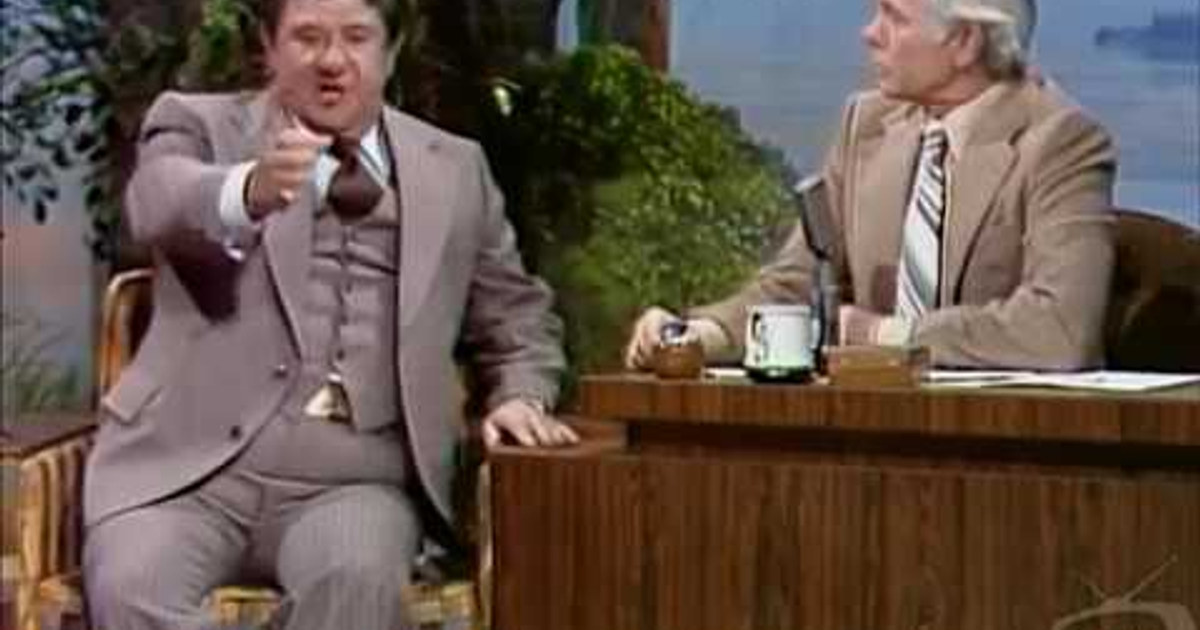
Part 3
[[AD]]
Why Seattle? Carson is beside himself asking the question. Hackett explains the ruthless logistical reality of being a recognizable celebrity in Southern California at two in the morning: if he checked into the Beverly Hilton down the street or the Beverly Hills Hotel around the corner, the night desk clerk would rat him out to the gossip columnists before sunrise. When they crawl back into bed and Sherry asks why on earth he picked Seattle, Hackett delivers the immortal punchline: 'Because I've never been there!'
[[VIDEO]]
Notice the brilliance of that resolution. Sherry assumed Seattle held the secret of an old flame or a hidden getaway; instead, it was simply an unvisited pin on the map of a tired man who had nowhere else to sleep. Hackett closes the story by noting that Sherry channeled her volcanic energy into becoming a thriving interior designer, keeping her too busy to fight—though he warns Johnny that tonight's broadcast will almost certainly trigger another skirmish when he walks through the front door.
The Tour Concludes: Why the Rhythm Endures
What makes this entire sequence extraordinary after all these decades is the total absence of a safety net. There are no pre-interview cue cards visible in Hackett's delivery. There are no scripted beats designed to sync up with a sponsored graphic or an upcoming movie trailer. It is the purest distillation of American oral storytelling, passed down through vaudeville, honed in smoke-filled Vegas lounges, and unleashed across network airwaves.
Hackett possessed an uncanny ability to stretch a narrative thin as paper, let it sag until the audience thought the thread was lost, and then snap it back like an elastic band with a sudden, devastating punchline. Carson served as the ideal tuning fork, amplifying every vibration, providing the exact skeptical eyebrow raise or gasping laugh necessary to propel the story into its next movement.
And now, go back and watch the opening again. Look at Hackett walking out past the curtain, pretending to be wounded by the idea that he has a funny face, before setting about the systematic destruction of Johnny Carson's composure for twenty unbroken minutes. The craft was there from the very first frame—we just had to know where to look.


