Part 1
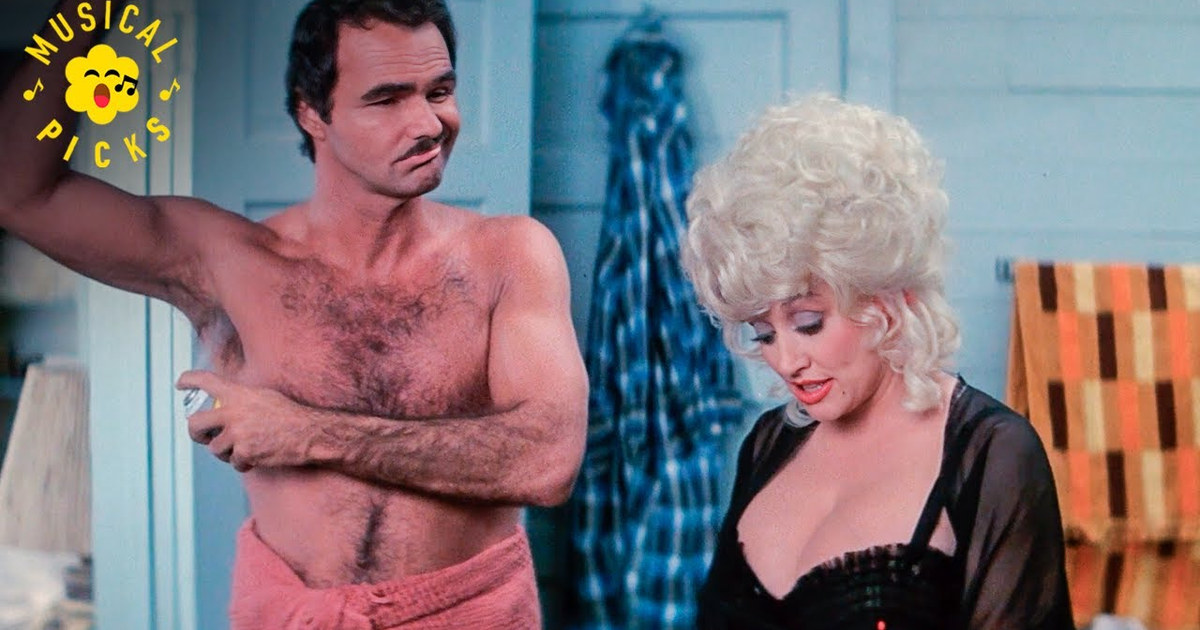
The bedroom is small, the light is amber, and a man named Ed Earl Dodd is standing in a pair of droopy boxer shorts, staring at a package his lover has just pulled from a Fredericks of Hollywood box. She calls them “jockey shorts with little silver snaps on the side.” He calls them a Japanese slingshot. It is a tiny moment — two people, one bed, a ridiculous garment — and it is also the whole movie in miniature: sex, commerce, affection, and the stubborn comedy of people who can’t quite say what they feel. That scene, from the 1982 film adaptation of The Best Little Whorehouse in Texas, is the seed. Everything else grows from it.
The movie, based on the hit Broadway musical, tells the story of Miss Mona Stangley (Dolly Parton), the madam of a legendary brothel called the Chicken Ranch, and Ed Earl Dodd (Burt Reynolds), the sheriff who loves her. Their long-running affair is the heart of the film, but the trouble starts when a television crusader named Melvin P. Thorpe (Dom DeLuise) decides to make the Chicken Ranch his moral crusade. What follows is a battle between small-town tradition and media-driven outrage, all wrapped in catchy songs and sharp one-liners.
But before the crusade, before the headlines, there is that bedroom. And that’s where we begin.
[[AD]]
A Town Built on Secrets
The Chicken Ranch isn’t just a brothel. It’s an institution. For years, the winning seniors of the Texas A&M football team have been treated to a night out there by their alumni association. The town council looks the other way. The sheriff provides security. Miss Mona even donates to the Little League fund. In the opening scenes, we see her writing a check, accepting thanks from the mayor’s wife, and trading barbs with Deputy Fred. It’s a cozy arrangement, a small-town ecosystem where everyone knows what’s going on and everyone benefits.
That’s the genius of the setup. The Best Little Whorehouse in Texas isn’t interested in judging its characters. It’s interested in watching them navigate a world where hypocrisy is the coin of the realm. The sheriff, for instance, is a married man, but he spends his afternoons with Miss Mona. He tells her, “A year with you is like a minute of sheer happiness.” She calls him “honey” and teases him about his boxer shorts. Their relationship is tender, funny, and completely illegal — but it’s also the most honest thing in the movie.
The Song That Says It All
After the boxer-short scene, Miss Mona picks up a guitar and sings “Sneakin’ Around.” The lyrics are a perfect summary of the film’s philosophy: “I like fancy frilly things, high heel shoes and diamond rings… but I like sneaking around with you.” It’s a celebration of illicit love, of the thrill that comes from doing something you’re not supposed to do. And it’s sung with such warmth that you can’t help but root for these characters, even as you know the world is about to come crashing down on them.
The song also highlights the film’s biggest asset: Dolly Parton. She’s not just playing Miss Mona; she is Miss Mona — charming, savvy, and completely in control. When she tells Ed Earl that she paid $20 for the jockey shorts, and he replies, “Well, you got screwed,” it’s a joke that lands because we already know she’s the smartest person in the room. She’s running a business, managing relationships, and keeping the town’s secrets — all while looking fabulous.
[[AD]]
The Man Who Wouldn’t Commit
Ed Earl Dodd is a classic Burt Reynolds character: rugged, charming, and emotionally unavailable. He loves Miss Mona, but he won’t marry her. “I don’t believe in matrimony,” he says. “It screws up a relationship.” It’s a line that gets a laugh, but it also reveals his fear. He’s comfortable with the way things are — the secrecy, the afternoons, the lack of obligation. He doesn’t want to change, even if change might be what’s best for both of them.
Reynolds plays him with a twinkle in his eye, but there’s a sadness underneath. He knows the world is changing. He knows the Chicken Ranch can’t last forever. And he knows that eventually, he’ll have to choose between his comfortable life and the woman he loves. The film doesn’t shy away from that tension; it leans into it, letting the comedy and the music carry us toward an inevitable reckoning.
The Villain We Love to Hate
Enter Melvin P. Thorpe, played with manic energy by Dom DeLuise. He’s a television preacher who specializes in moral outrage. He’s also a hypocrite, but that’s beside the point. Thorpe sees the Chicken Ranch as a target, a way to boost his ratings and his influence. He doesn’t care about the people involved; he cares about the story. And in the age of cable news and social media, his tactics feel eerily familiar.
The film’s portrayal of Thorpe is satirical but not cartoonish. He’s a showman, a performer, and he knows exactly how to manipulate an audience. When he sings “Texas Has a Whorehouse in It,” it’s both a protest song and a piece of entertainment. He’s the kind of villain who thinks he’s the hero, and that makes him all the more dangerous.
[[AD]]


