Part 2
That's the origin story. Not a rags-to-riches cliché. A real place. Real dirt. Real cold mornings. Real pride.
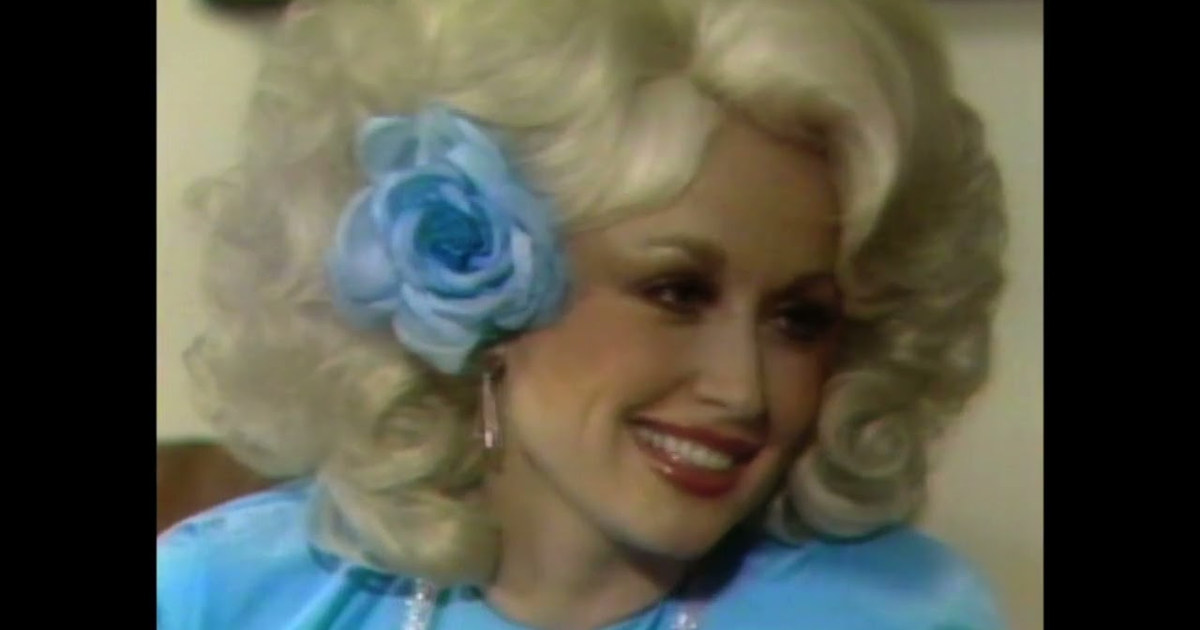
Barbara Walters sits across from Dolly in that No Frills interview. She asks the question that hangs in the air. "Where I come from, would I have called you a hillbilly?"
Dolly doesn't flinch. "If you had have, it would have been something very natural, but I would have probably kicked your shins or something."
That's the voice. Sharp. Sweet. Deadly. She owns the word. She doesn't let Walters own it. She takes the label and turns it into a weapon. A wink. A dare.
Walters pushes. "But when I think of hillbillies, am I thinking of your kind of people?"
[[AD]]
Dolly nods. "I think you probably are. The people that grew up where I was were the ones that you would consider the Li'l Abner people, Daisy May and that sort of thing. They took that kind of thing from people like us."
There it is. The theft. The caricature. Li'l Abner and Daisy May—comic strip characters that turned Appalachian poverty into a punchline. Dolly names them. She doesn't rage. She just states it. The way you'd note a fact. The sky is blue. The river runs. They took from us.
But she doesn't stop there. She defines herself. "We were very proud people, people with a lot of class. It was country class, but it was a great deal of class."
Country class. Two words that shouldn't need defending. But they do. Dolly defends them. She doesn't beg. She declares.
"Most of my people were not that educated, but they are very, very intelligent. Good common sense. Horse sense, we called it."
Horse sense. That's the foundation. Not book learning. Not polish. Not the kind of intelligence that gets you a degree and a corner office. The kind that keeps you alive. The kind that reads a person in a second. The kind that knows when to hold your tongue and when to kick a shin.
[[VIDEO]]
Dolly has that. She always had that. The log cabin didn't give her running water. It gave her horse sense. And that's worth more than plumbing.
Rewind further. She's a kid. She feels different. She says it plain. "I felt that I never belonged. I felt I was always different."
Different. That's the word. Not better. Not worse. Different. She wanted pretty things. She wanted money to buy the things she'd been impressed with as a child. She wanted to be a star.
Walters asks, "Did you look like this when you were a kid?"
Dolly laughs. "Not quite. You didn't have the blonde wig, but when you went to school, when you were 11, 12, 13..."
She trails off. The wig. The hair. The look. It didn't come from nowhere. It came from the cabin. It came from the wanting. It came from the horse sense that told her: if you can't fit in, you might as well stand out.
The wig is not a lie. It's a translation. She took the "ridiculous" and made it a language. The same way she took "hillbilly" and made it a badge. The same way she took poverty and made it a song.
"My Tennessee Mountain Home" is not a nostalgia trip. It's a documentary. Listen to the lyrics. Listen to the detail. That's the log cabin. That's the Little Pigeon River. That's the horse sense.
She wrote it. She lived it. She sang it. And then she put on a blonde wig and walked on stage.
Cut back to the stand-up moment. The one from the top. Dolly rises from her chair. She's not showing off her body. She's showing off her origin. Every inch of her is a monument to the log cabin. The curves are real. The hair is a wig. The ambition is Appalachian.
Walters sees a bombshell. Dolly sees a business plan. The log cabin is never far. The Little Pigeon River runs under every stage she walks on.
That's the thread. Pull it. The wig. The hillbilly. The horse sense. They're all the same thing. A translation. A language. A choice.
[[AD]]
She took the word that was meant to cut her. She sharpened it. She threw it back. And she did it with a smile.
That's country class. That's horse sense. That's Dolly.
The Choice, the Armor, and the Real Where It Counts
Cut back to the stand-up. Barbara Walters asks the question. Dolly rises. The studio audience laughs. But now we know what's underneath. The log cabin. The 11-year-old with the full figure. The horse sense. The stand-up wasn't a surrender. It was a demonstration.
Dolly says it plain: 'It's certainly a choice. I don't like to be like everybody else.' Then she quotes herself: 'I would never stoop so low as to be fashionable.' That's the line. That's the whole philosophy. Fashion is easy. Being Dolly is hard.
She explains the strategy: 'Once they got past the shock of the ridiculous way I looked and all that, then they would see there was parts of me to be appreciated.' The wig is a gate. The clothes are a toll. Pay attention to the surface, and you earn the depth. Most people never get past the surface. That's their loss.
The interview turns. Walters asks if Dolly has to look like this. Dolly doesn't flinch. 'No, it's certainly a choice.' Then she delivers the thesis: 'I'm very real where it counts. And that's inside. As far as my outlook on life and the way I care about people and the way I care about myself and the things that I care about.'


