Part 3
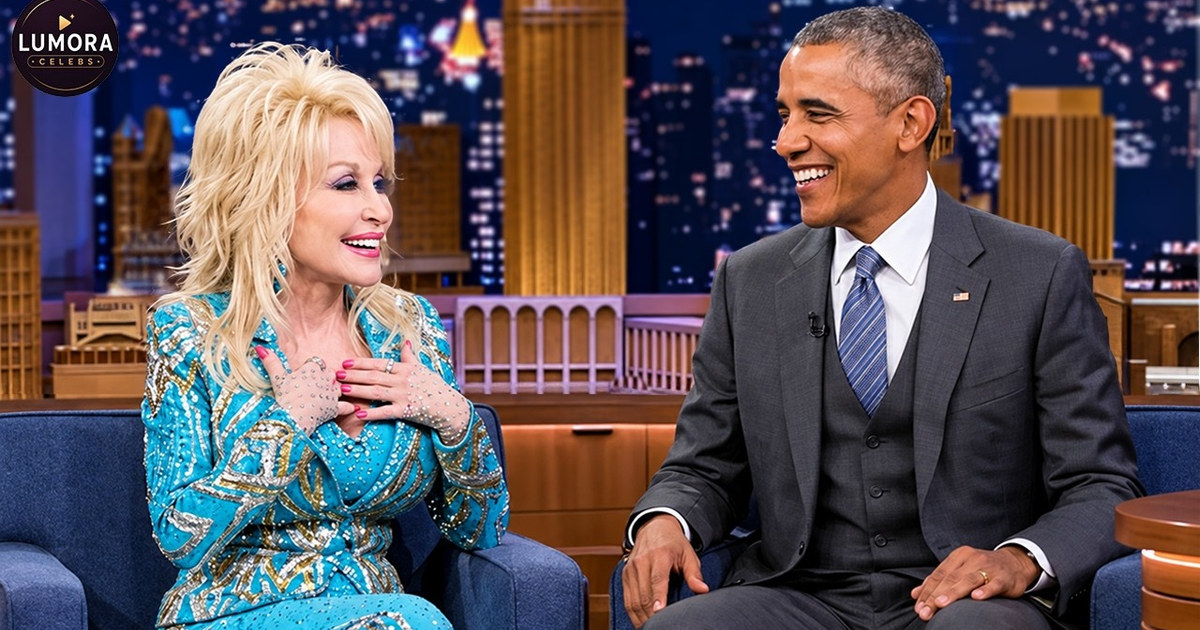
But not everyone can pull this off. Compare Obama and Dolly to figures like Donald Trump, who rarely makes himself the butt of the joke. Trump's humor is almost always aimed at others, and while it rallies his base, it doesn't build the same kind of universal affection. Hillary Clinton's attempts at self-deprecation sometimes felt forced—like her 'Chappaqua' joke about being a grandmother, which landed with a thud. The difference? Authenticity. Obama and Dolly don't just tell jokes; they embody them. Their self-deprecation is an extension of their personalities, not a calculated ploy. That's why we buy it.
Sociologists talk about humor as a social lubricant—it eases tension, builds rapport, and creates a sense of shared experience. When Obama joked at the 2011 White House Correspondents' Dinner about his birth certificate, he wasn't just making fun of himself; he was inviting the room to laugh with him. And when Dolly joked about her wigs and her 'backwoods' roots, she was inviting us into her world. It's a form of intimacy. In a polarized culture, that intimacy is rare and precious. It's why Dolly's bipartisan appeal is so strong, and why Obama remains popular even after leaving office. They make us feel like we're in on the joke, not the target of it.
The cultural moment matters. In an era of cancel culture and political divides, the ability to laugh at oneself is a unifying force. Dolly's 2022 Rock & Roll Hall of Fame induction speech is a perfect example. She joked that she didn't feel worthy of the honor, saying she'd have to 'start a rock band' to earn it. The audience loved it—not because she was putting herself down, but because she was being humble in a way that felt genuine. Similarly, Obama's 2022 appearance at the White House Correspondents' Dinner had him joking about his 'anger translator' and his post-presidency life. These moments don't just entertain; they humanize. They remind us that even the most powerful people can laugh at themselves.
So what's the takeaway? Self-deprecation is not self-sabotage. It's a way to connect, disarm, and ultimately win. Dolly and Obama prove that the most powerful people in the room are often the ones who can laugh at themselves. They don't need to project perfection because they're secure enough to be imperfect. And that security is magnetic. It's why we trust them, why we root for them, and why we keep coming back for more. In a world that's constantly telling us to be flawless, they show us that flawlessness is overrated. The real superpower is being able to say, 'I'm a mess, and that's okay.'
In the next installment, we'll explore how other celebrities like Jennifer Lawrence and Ryan Reynolds use self-deprecation, and whether it can ever backfire. Because if Dolly and Obama make it look easy, that's because it is—when it's authentic. But when it's not, it can feel like a cheap trick. So stay tuned. And in the meantime, ask yourself: what does it say about us that we love them for it? Maybe it's not just about them. Maybe it's about what we need: leaders who are human, who can laugh at themselves, and who invite us to do the same.


