Part 1
The Consensus: Obama and Dolly Are Beloved Because They Can Laugh at Themselves
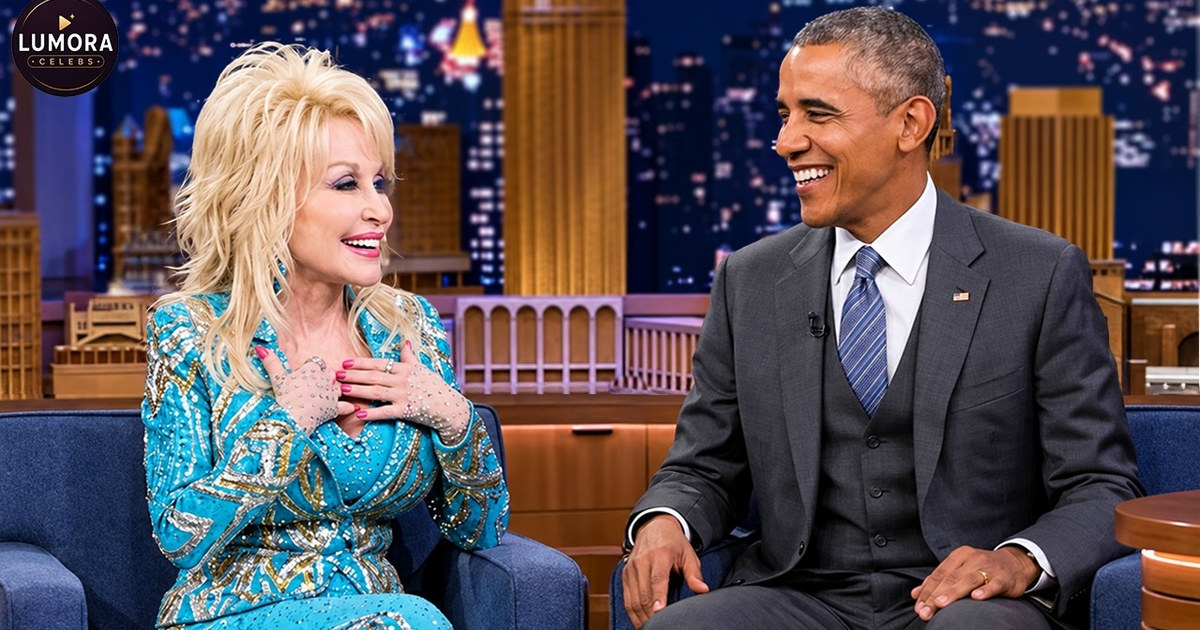
The consensus is clear: Barack Obama and Dolly Parton are beloved because they can laugh at themselves. It’s the go-to explanation whenever someone tries to unpack their enduring appeal. Obama cracks a 'death panel' joke at the 2014 White House Correspondents’ Dinner, and pundits swoon over his humility. Dolly quips about her boobs on The Tonight Show with Jimmy Fallon in 2017, and the internet declares her the most relatable superstar alive. The take writes itself: these two are humble, down-to-earth, and in on the joke. That’s why we love them.
I think that read is wrong. Not stupid—wrong. It mistakes a weapon for a personality trait. Obama and Dolly aren’t beloved because they’re humble. They’re beloved because they’ve turned self-deprecation into a precision tool for controlling their image, commanding any room they enter, and disarming critics before a single punch lands. It’s not a quirk. It’s a power move, and they’re two of the best to ever do it.
Look at the evidence the consensus loves to cite. Obama at the 2014 Correspondents’ Dinner: 'I am gray and grizzled, just counting down the days till my death panel.' The crowd roars. He’s making fun of his aging, the absurdity of the death panel myth, and his own political mortality all at once. Then there’s the 2013 Tonight Show with Jay Leno, where he leaned into the Kenya birth certificate conspiracy: 'This all dates back to when we were growing up together in Kenya.' He paints himself as the punchline, but he’s also the one holding the pen. And Dolly? On The Tonight Show in 2017, she didn’t just tolerate boob jokes—she owned them. 'The boob jokes are not near as funny as most of the boobs that tell them.' She even added, 'Nobody notices I’ve got a great ass, too.' The audience eats it up. On the surface, it’s humility. Below the surface, it’s something else entirely.
Why does the consensus view persist? Because it feels good. It makes them seem authentic. It suggests that despite the fame, the power, the Secret Service detail, and the rhinestone empire, they’re just like us. Obama can poke fun at his graying hair. Dolly can joke about her God-given curves. That relatability is intoxicating, and it’s exactly what they want us to feel. But relatability is not the same as vulnerability. It’s a performance, and they are its directors.
Here’s the contrarian thesis: this humor is not humility—it’s a strategic tool. Obama and Dolly wield self-deprecation to control their image, set the terms of the conversation, and disarm critics before they can strike. It’s not a personality quirk. It’s a calculated move, executed with the precision of a stand-up who’s been doing it for decades. And once you see it, you can’t unsee it.
Over the next three sections, I’m going to dismantle the consensus piece by piece. First, self-deprecation as a preemptive strike—how they neutralize attacks by making themselves the first and best joke. Second, how it commands attention and makes them the center of any room, from the White House Correspondents’ Dinner to The Tonight Show stage. Third, how it functions as a shield, deflecting real criticism and making it nearly impossible to land a blow. By the end, you’ll still love them—but you’ll understand that their charm is not an accident. It’s a strategy.
So yes, the consensus says Obama and Dolly are beloved because they can laugh at themselves. I say they’re beloved because they’ve mastered the art of making you laugh with them—while they stay three steps ahead. That’s not humility. That’s power.
It's Not Humility—It's a Preemptive Strike
The consensus says Barack Obama and Dolly Parton are beloved because they're humble. They can laugh at themselves. They don't take themselves too seriously. And sure, that's the warm, fuzzy read. But it misses the point. Self-deprecation isn't humility. It's a weapon. It's a preemptive strike. By making the joke first, they control the narrative, take the ammo out of critics' hands, and turn every potential attack into a punchline they own. That's not modesty. That's strategy.
Think about what humility actually looks like. Tom Hanks is humble. He's genuinely self-effacing, never grabs the spotlight, and seems almost uncomfortable with praise. That's real humility. Obama and Parton? They're not humble. They're tactical. They're playing chess while everyone else is playing checkers. And they're winning.
Take Obama at the 2011 White House Correspondents' Dinner. The 'birther' controversy was still raging. Donald Trump had spent months questioning whether Obama was born in the United States. It was a racist conspiracy theory that refused to die. Obama could have ignored it. He could have issued a stern statement. Instead, he stood at the podium and joked about it. He showed a fake video of his birth, complete with 'Born in the USA' playing. He mocked Trump directly. The room erupted. And just like that, the birther movement became a joke. Obama didn't just deflect the attack—he neutralized it. He took the weapon out of his critics' hands and turned it into a prop. That's not humility. That's a counterattack.
Dolly Parton does the same thing with her appearance. She's been the butt of jokes about her plastic surgery, her wigs, her larger-than-life look for decades. But she never waits for someone else to make the joke. She makes it first. In a 2020 interview with Jimmy Fallon, she said she sleeps in her makeup in case of an earthquake. She turned a quirk into a relatable story. She jokes about her boobs, her wigs, her plastic surgery. But she also owns her brand. She's not being humble—she's being in control. She's saying, 'I know what you're going to say, and I've already said it better.' That's not modesty. That's mastery.


