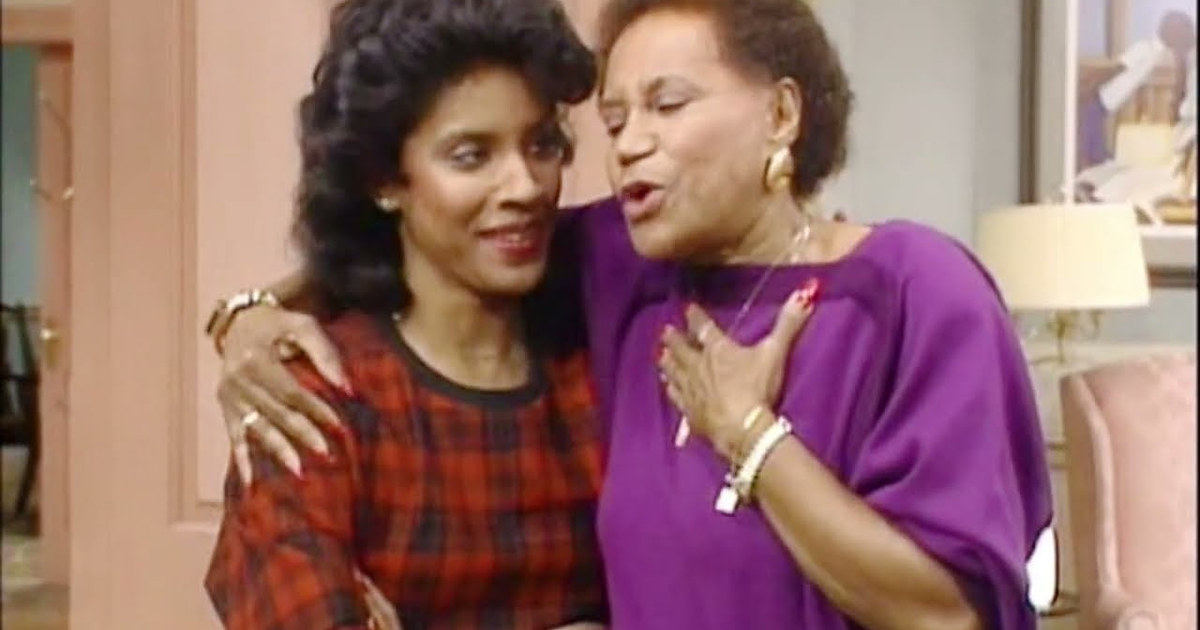
First, look at this: notice how quickly Russell pivots to a plate of cheese the very instant the word 'tattoo' leaves Anna's lips. It is a tiny, defensive flick of body language, executed by a man who knows his multi-decade cover story is about to collapse into complete ruin.
Most people remember this legendary living-room interrogation as a routine lecture about a teenager piercing his ear. But if you walk through the mechanics of the scene, you realize it is actually an immaculate three-act comedic courtroom where every generation accidentally convicts itself.
Why do sitcom family dinners explode with this level of precision? Because the writers did not just tell jokes; they mapped out an escalating inheritance of romantic humiliation. Step closer into the archive, and let us break down each stop on this generational tour.
[[AD]]
Stop 1: The Hostile Interrogation Over an Earring
Our tour begins right at ground level with Theodore's latest romantic gamble. The young man got his ear pierced to impress a girl, triggering an instantaneous parental threat from Cliff Huxtable: 'I'll kill him.' It is pure sitcom reflex, sharp and loud.
Enter Russell, playing the role of the benevolent, patient patriarch who supposedly steered his own son through trouble with boundless grace. He frames Theodore's mistake as an innocent legacy. Have you ever seen a man trap himself in a rhetorical corner so enthusiastically?
Russell wants credit for grandfatherly wisdom before anyone can cross-examine his record. But in this family, memories are long, receipts are filed away, and wives never forget the foolish stunts pulled in the name of puppy love.
[[AD]]
Stop 2: The Scalp, the Chemical, and the Dog Bowl
Step into the middle tier of this comedic hierarchy. Before Cliff can finish sentencing his son, Clair casually drops the hammer: Cliff once tried to chemically straighten his hair to impress her, only for the entire disaster to burn right off.
Look at the sheer kinetic energy of the imagery here. Cliff shot out of the room like a boat, shoved a dog aside, and dunked his scorching head directly into the pet's water dish. The future medical professional, humbled by beauty products and sheer desperation.
What makes this beat work so brilliantly is Clair's fond amusement versus Cliff's wounded pride. The audience gets the thrill of watching the disciplinarian instantly downgraded to an insecure kid with a sizzling skull.
[[AD]]
Stop 3: Hot Needle Harris and the February Congestion
Now move to the deepest layer of the archive, where Russell's pious posture gets completely dismantled. Anna takes the floor to reveal what happens when a lovesick young man visits a county tattooist named Hot Needle Harris in the dead of winter.
Russell wanted 'Anna' etched across his chest to show his undying devotion. But because his sinuses were stopped up from a terrible February cold, the artist heard 'Ada'—which just happened to belong to Ada May Waters, Anna's chief rival who thought the sun rose and set on her.
Think about the level of comedic misfortune packed into that premise. It is not just that he got bad ink; it is that phonetics turned a declaration of eternal love into an accidental tribute to the girl down the road.
[[AD]]
Stop 4: The Nazi Panzer Cover-Up
This stop reveals the real masterpiece within the dialogue. When Anna forced Russell to burn the botched ink off his chest, it left a massive, rugged scar. How did Russell explain that battle wound to his growing boy for all those decades?
He claimed he took shrapnel fighting off a German Nazi Panzer attack in World War II. When Cliff expresses pure shock at the lie, Russell delivers the ultimate deadpan justification: facing Anna's wrath was the only wartime trauma fierce enough to compare.
[[VIDEO]]
That single line connects the entire room. War stories, teenage vanity, chemical burns, and pierced lobes all melt together into one glorious catalog of male absurdity.
[[AD]]
Stop 5: The Grand Unified Theory of Romantic Folly
Our final stop brings us to the verdict. The men attempt to save face with a swaggering conclusion: 'We always get our women.' But the matriarchs deliver the actual takeaway instantly: 'Not because of the things you do. Despite them.'
It christens a ridiculous fraternity: the three men united by scarred chests, burned heads, and pierced ears. The power dynamic flips completely, showing that genuine charm lies in surviving your own terrible ideas and being laughed at with love.
And now go back and watch the opening again. Watch Cliff's self-righteous posture at the very start, armed with the knowledge that beneath that paternal dignity lies a scorched scalp, a fabricated tank battle, and an ear-piercing cycle that will never, ever stop.


