Part 3
[[AD]]
Then Steel Magnolias in 1989. Directed by Herbert Ross, based on the play by Robert Harling. Dolly plays Truvy Jones, the salon owner who holds the community together. The movie is famous for making you laugh until you cry and then cry until you can't stop. Dolly's Truvy is the heart of that. She's funny, warm, sharp, and she delivers some of the best lines in the film. That's the Dolly formula: humor first, heart underneath. The runtime is 117 minutes, and it's a masterclass in balancing comedy and tragedy. Dolly didn't just sing her way into Hollywood. She laughed her way in.
And that's the throughline. From The Porter Wagoner Show to 9 to 5 to Steel Magnolias, Dolly has always used humor as a tool. Not to avoid pain, but to process it. To connect with people. To make the unbearable bearable. She's not joking around. She's surviving. And she's inviting everyone else to survive with her.
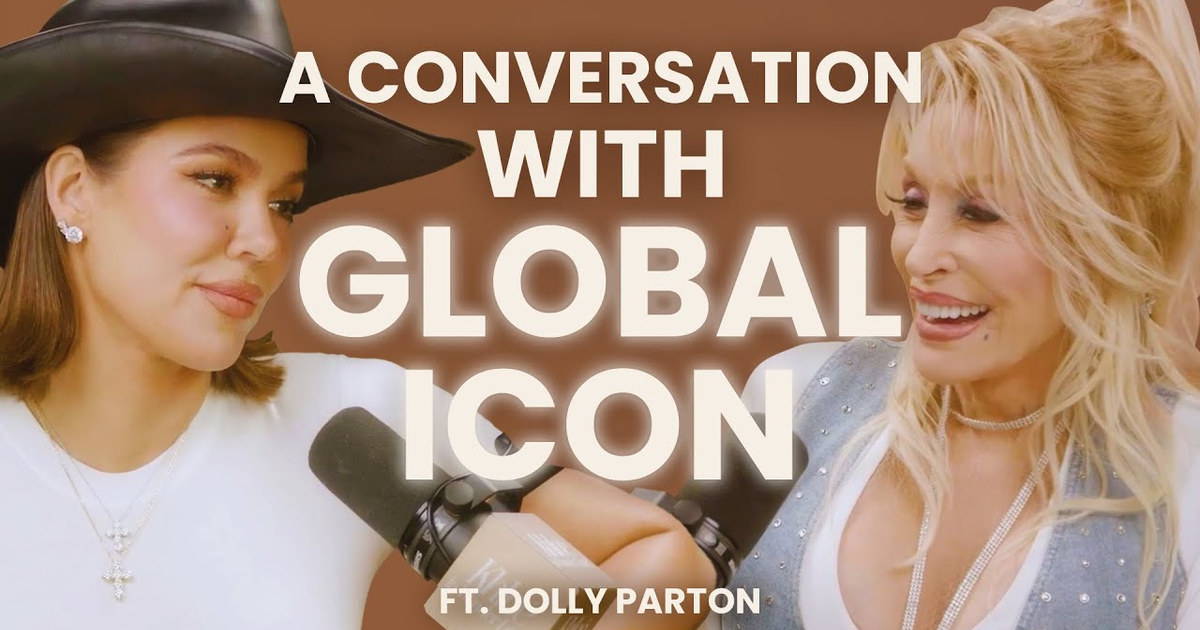
Chloe Bailey: The Same Bone, A Different Generation
Chloe Bailey came up in the public eye through Grown-ish, the Freeform spin-off of Black-ish. She played Jazz Forster, one of the twins, and she was funny. Not just funny-looking or funny-adjacent. Actually funny. She had timing. She had delivery. She had the ability to make a line land. And that's not easy when you're sharing scenes with seasoned comedians. The show ran from 2018 to 2024, and Chloe was a big part of why people kept watching. Her character was messy, real, and hilarious. And Chloe brought something to it that you can't teach: the bone.
But her humor isn't just on screen. It's all over her social media. She posts videos of herself laughing at her own mistakes. She jokes about her life, her career, her family. She doesn't take herself too seriously, even though she's a Grammy-nominated artist with millions of fans. And she told Dolly that her 40th birthday party was a laugh-filled affair with her sisters and friends. Wait—40th birthday? Chloe Bailey was born in 1998. She's not 40. But the conversation clearly touched on the idea of a 40th birthday celebration, maybe Dolly's, maybe a hypothetical, maybe a bit of playful banter. Either way, the point stands: Chloe's humor is woven into her life. It's how she connects with people. It's how she gets through the day. It's how she celebrates.
And that's what makes her and Dolly such a fascinating pair. They're from different eras. Different genres. Different worlds. But they share that bone. That instinct to find the funny in the awful. To make the joke before someone else does. To laugh so you don't cry. Dolly saw it in Chloe. Chloe saw it in Dolly. And in that moment, they weren't just two celebrities having a chat. They were two survivors comparing notes.
What Makes Someone Innately Funny?
[[VIDEO]]
Chloe asked Dolly that question directly. What makes someone innately funny? And Dolly's answer was refreshingly unsentimental. Some people just have that bone. It's not about training. It's not about technique. It's about seeing the world a certain way. The funny person walks into a room and notices the thing that doesn't fit. The absurd detail. The irony. The gap between what people say and what they mean. And then they point at it. That's it. That's the whole trick. You can't teach someone to notice. You can only teach them what to do once they've noticed.
Dolly has that bone. Chloe has that bone. And when they sat down together, they recognized it in each other. That's why the conversation feels so warm. It's not just two famous people being polite. It's two people who speak the same language. The language of laughter as a lifeline. And that's the stop on this tour I want you to remember. Because it's easy to look at Dolly Parton and see the rhinestones and the wigs and the theme park. It's easy to look at Chloe Bailey and see the red carpets and the music videos. But underneath all of that, there's a kid from the mountains who learned to laugh so she wouldn't break. And there's a young woman from Atlanta who learned the same thing. And they found each other.
Now that we've laughed, let's talk about the dreams that keep Dolly up at night—literally. Because the humor is only half the story. The other half is the work. The sacrifice. The dreams that are killing her people. And that's where we're heading next.
Dreams That Kill: Dolly Parton's Work Ethic and the Sacrifice Behind the Sparkle
Dolly Parton wakes up with new dreams every day. That's not a metaphor. It's a warning. Because according to her own team, those dreams are killing them. "Yeah, and your dreams are killing us," they tell her, half-joking, half-not, because they have to help her carry them out. And Dolly? She laughs. She keeps dreaming. That's the engine that built an empire.
But here's the thing about Dolly's dreams: they come with a price tag. She's the first to say it. "You're going to have to sacrifice, but never sacrifice the things that are the most meaningful to you," she says. "But you got to work your butt off." That's the Dolly Doctrine in one breath. Sacrifice everything you can spare. Protect what you can't. And then out-work everyone in the room.


